10 Tips for Choosing the Right Volunteer Program
Discover 10 essential tips for selecting the perfect volunteer program, tailored for college students and others seeking meaningful international volunteer experiences. Learn how to align opportunities with your goals, skills, and values while making a lasting impact through volunteerism.
4 min read
Overview
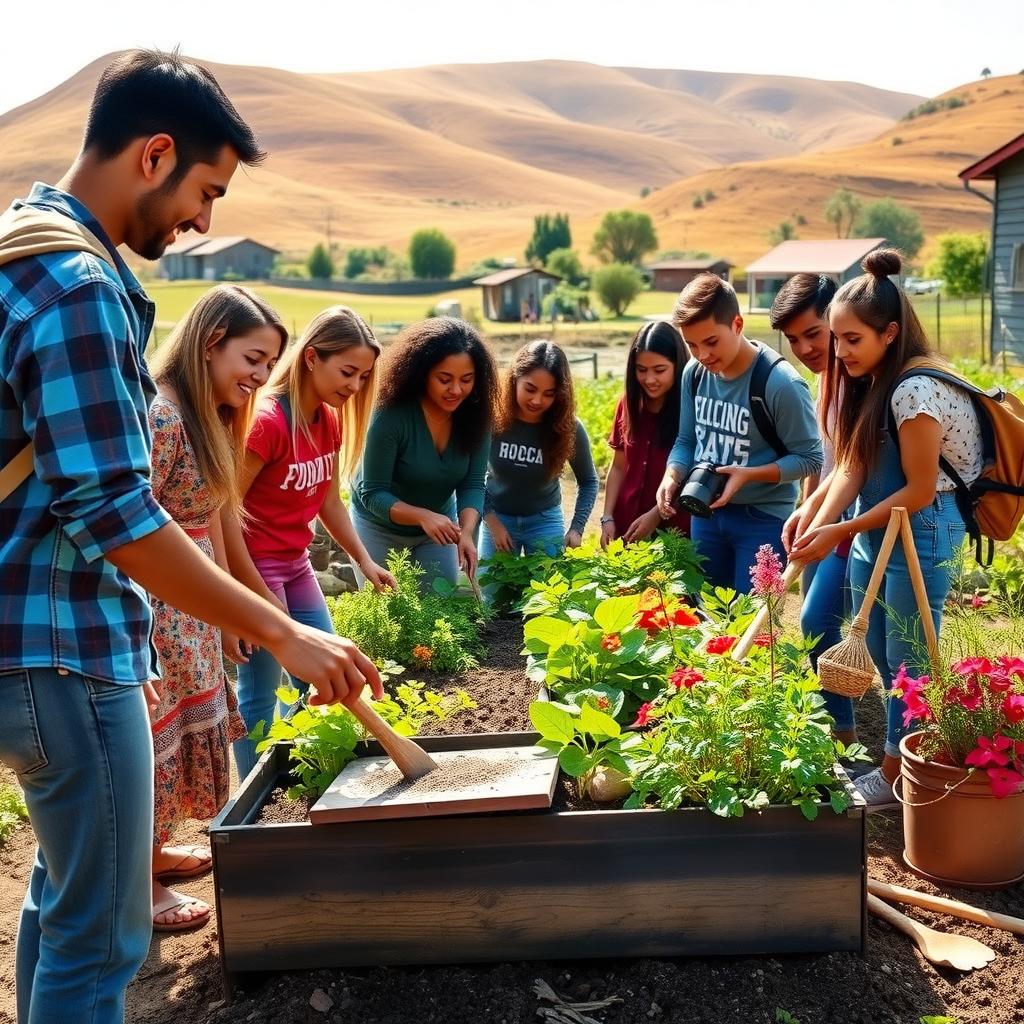
Volunteering can be a life-changing experience, offering a chance to give back, learn new skills, and connect with communities worldwide. However, with countless programs available, choosing the right one can feel overwhelming. This guide shares 10 Tips for Choosing the Right Volunteer Program, with a focus on international volunteer programs for college students and insights for anyone eager to embrace volunteerism. Whether you're passionate about education, conservation, or healthcare, these tips will help you find a program that matches your goals and values.
1. Define Your Goals
Before diving into program options, ask yourself: Why do I want to volunteer? Are you looking to gain professional experience, explore a new culture, or make a difference in a specific cause? For example, when I volunteered in a rural school in Peru, my goal was to improve my teaching skills while immersing myself in a new culture. Clear goals help narrow down programs that align with your passions. Write down your priorities—whether it’s skill-building, travel, or impact—and use them as a filter when researching.
2. Research Program Impact
Not all volunteer programs create meaningful change. Some prioritize profit over impact, sending volunteers to projects that don’t benefit the community. Look for programs with transparent goals and measurable outcomes. For instance, check if the organization shares reports on how volunteer efforts have improved local conditions, like building schools or supporting wildlife conservation. Websites like Volunteer Forever offer reviews and insights to help you evaluate a program’s effectiveness.

3. Match Skills to Opportunities
Choose a program that values your skills or helps you develop new ones. If you’re a college student studying biology, a conservation project might be ideal. I once joined a marine conservation program in Thailand, where my basic scuba diving skills were useful, but I also learned data collection techniques. Check if the program offers training or if it expects specific expertise. This ensures your time is well-spent and impactful.
4. Consider Program Duration
Volunteer programs range from a week to a year. Short-term programs are great for busy college students, but longer commitments often lead to deeper connections. During my six-month stint in Peru, I formed bonds with students that short-term volunteers couldn’t. Consider your schedule and how much time you can commit. Programs like Projects Abroad offer flexible durations to suit different needs.
5. Evaluate Costs and Funding
Volunteering often involves costs—travel, accommodation, or program fees. Be wary of programs charging exorbitant fees without clear explanations. Research what’s included, like meals or training, and explore scholarships or fundraising options. For example, some universities offer grants for international volunteer programs for college students. Crowdfunding platforms can also help offset costs. Always budget for unexpected expenses, like local transportation.
6. Check Safety and Support
Safety is crucial, especially in unfamiliar countries. Look for programs with strong safety protocols, like 24/7 support, emergency plans, and local staff. When I volunteered in Thailand, the organization provided a detailed orientation on local customs and safety tips, which eased my transition. Read reviews on platforms like Go Overseas to confirm the program prioritizes volunteer safety.
7. Assess Cultural Immersion
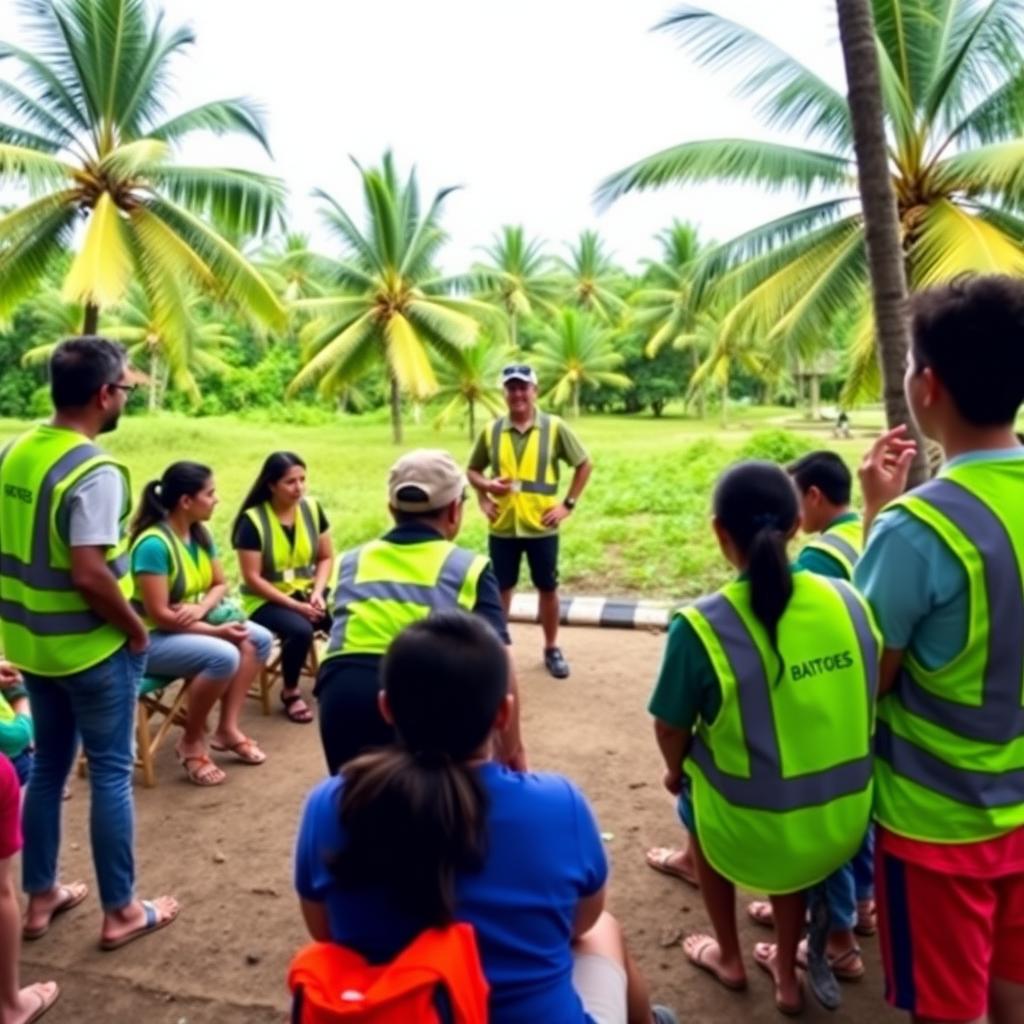
A good volunteer program offers cultural exchange, not just work. Look for opportunities to live with host families or engage in local traditions. My time in Peru included weekend trips to local markets, where I learned about Andean culture firsthand. Programs like Cross-Cultural Solutions emphasize immersion, helping volunteers build meaningful connections while contributing to communities.
8. Verify Ethical Practices
Ethical volunteerism respects local communities and avoids harm. Avoid programs that exploit vulnerable groups, like orphanage tourism, which can disrupt children’s lives. Research the organization’s mission and partnerships. For instance, reputable programs like Habitat for Humanity focus on sustainable projects that empower locals rather than replacing their efforts.
9. Look for Flexibility
Life as a college student can be unpredictable. Choose a program with flexible start dates or cancellation policies. Some organizations, like IVHQ, allow volunteers to adjust plans without hefty penalties. This flexibility was a lifesaver when I had to reschedule a trip due to unexpected exams. Check the fine print before committing.
10. Connect with Past Volunteers
Nothing beats firsthand insights. Reach out to past volunteers through program websites or social media groups. When I was choosing my Thailand program, I messaged alumni on X, who shared honest feedback about the workload and living conditions. Their perspectives helped me pick a program that felt authentic and rewarding.

Summary
Choosing the right volunteer program requires careful thought and research. By defining your goals, evaluating impact, and prioritizing safety and ethics, you can find a program that aligns with your values and creates lasting change. Whether you’re a college student exploring international volunteer programs or someone passionate about volunteerism, these 10 Tips for Choosing the Right Volunteer Program will guide you toward a meaningful experience. Start your journey today, and make a difference that matters.