5 Steps to Kickstart Your Health Advocacy Journey
Discover how to become a health advocate with our comprehensive guide on the 5 Steps to Kickstart Your Health Advocacy Journey. Learn actionable steps, gain insights from real experiences, and explore impactful volunteer programs to make a difference in community health.
4 min read
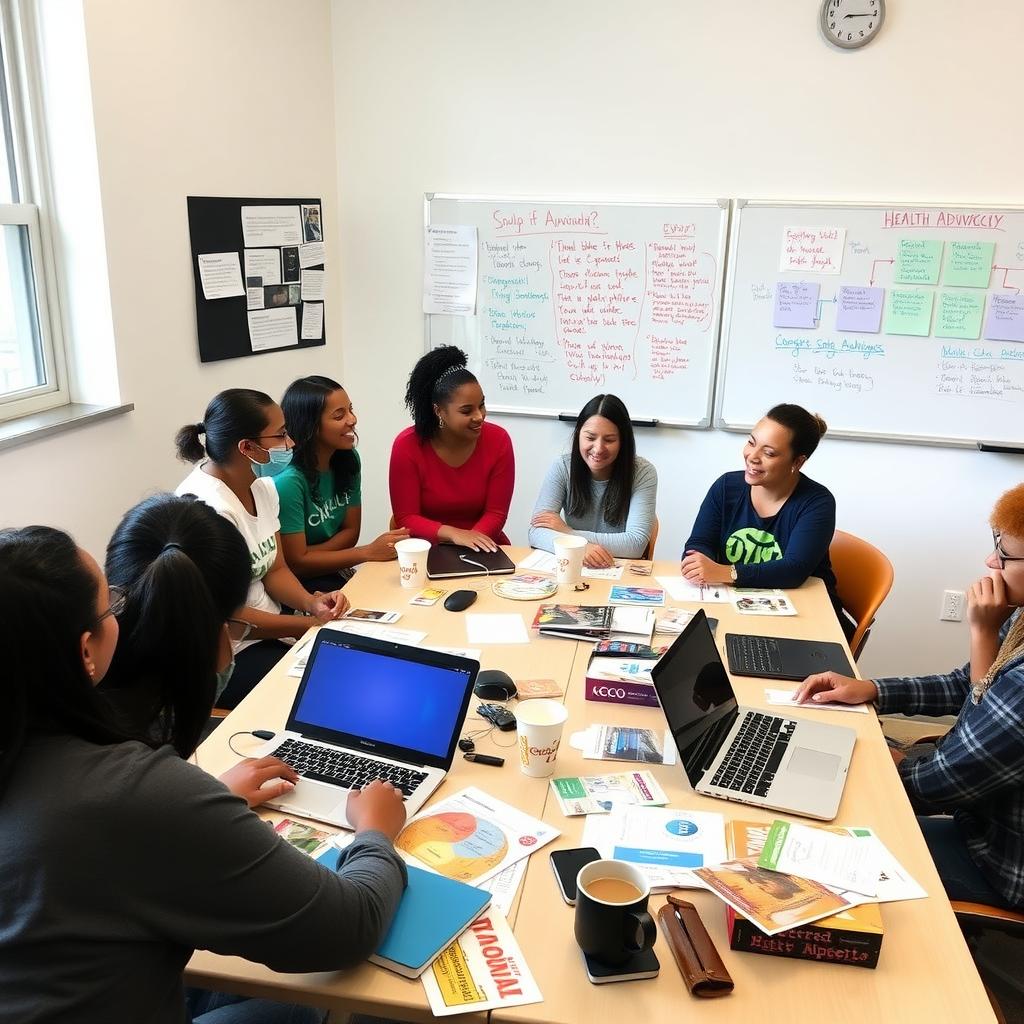
Overview: Your Path to Health Advocacy
Becoming a health advocate can transform lives—yours and those in your community. Whether you're passionate about mental health, chronic illness support, or equitable healthcare access, the 5 Steps to Kickstart Your Health Advocacy Journey offer a clear path to making an impact. This guide shares practical steps, personal insights, and ways to get involved in Health Advocacy: How Volunteers Are Improving Community Health.
Why Health Advocacy Matters
Health advocacy is about giving a voice to those who need it most. It’s standing up for better healthcare access, educating communities, and supporting individuals through their health challenges. Volunteers drive change by bridging gaps in healthcare systems. For example, in underserved areas, advocates often connect people to resources they didn’t know existed. My own journey began when I saw a friend struggle to navigate medical care after a diagnosis. That experience pushed me to act, and it showed me how one person’s effort can ripple outward.
Step 1: Identify Your Passion and Purpose
The first step is figuring out what drives you. Are you moved by mental health awareness, childhood obesity, or access to affordable care? Narrowing your focus helps you stay committed. Start by asking yourself: What health issue affects my community? For me, it was seeing local families struggle with diabetes management due to limited education. Research local health challenges using resources like the CDC’s Community Health Assessments to pinpoint needs.
Once you’ve chosen a cause, write down why it matters to you. This personal connection fuels your advocacy. For example, if you’ve cared for a loved one with a chronic illness, that experience can shape your mission. Keep it simple: your purpose doesn’t need to be grand—it just needs to be authentic.

Step 2: Educate Yourself on the Issues
Knowledge is power in advocacy. Dive into the health issue you’ve chosen. Read studies, attend webinars, or follow organizations like the World Health Organization for credible information. When I started advocating for diabetes awareness, I joined online forums and local support groups to hear real stories. This helped me understand the barriers people faced, like costly medications or lack of nearby clinics.
Don’t just stop at medical facts. Learn about the social factors—poverty, education, or stigma—that impact health. For instance, mental health advocates might study how cultural attitudes prevent people from seeking help. The more you know, the better you can explain the issue to others and propose solutions.
Step 3: Connect with Impactful Volunteer Programs
Joining Impactful Volunteer Programs to Join Today is a game-changer. Organizations like the American Heart Association or local nonprofits often have structured volunteer advocacy initiatives for social change. These programs provide training, resources, and a community of like-minded people. I volunteered with a local health coalition, which gave me tools to organize workshops and advocate for better clinic funding.
Here’s a quick list of ways to find programs:
- Search online: Use platforms like VolunteerMatch to find health-focused opportunities.
- Check local hospitals: Many have community outreach programs.
- Join national campaigns: Groups like the National Alliance on Mental Illness (NAMI) offer advocacy training.
- Attend community events: Health fairs or town halls often connect you with organizers.

Step 4: Build Your Advocacy Skills
Advocacy isn’t just passion—it’s a skill. Practice public speaking to share your message confidently. I was nervous at first, but joining a local Toastmasters group helped me pitch ideas to community leaders. Learn to write compelling letters to policymakers or create social media posts to raise awareness. Platforms like X are great for sharing quick, impactful messages about health issues.
Also, develop empathy and listening skills. When I worked with diabetes patients, listening to their fears about treatment costs shaped how I framed my advocacy. Training programs from organizations like NAMI or the American Cancer Society often include workshops on these skills. If you’re unsure where to start, try online courses on platforms like Coursera for communication or policy advocacy.
Step 5: Take Action and Measure Impact
Now it’s time to act. Start small—host a community talk, share resources on X, or volunteer at a health event. Track your efforts to see what works. For example, after organizing a diabetes screening event, I counted how many attendees followed up with a doctor. This showed me the real impact of my work.
Don’t be afraid to collaborate. Partner with schools, churches, or local businesses to amplify your reach. When I teamed up with a local gym for a fitness challenge, we raised awareness about heart health and got 50 people signed up for free screenings. Small actions add up, and every step forward counts.

Overcoming Common Challenges
Advocacy isn’t always easy. You might face burnout, skepticism, or limited resources. I struggled with time management early on, juggling advocacy with work. To avoid burnout, set realistic goals—like one event per month—and lean on your volunteer community for support. If funding is an issue, look for grants from organizations like the Robert Wood Johnson Foundation.
Another challenge is resistance from others. Some may doubt the need for advocacy or question your expertise. Stay calm, share facts, and let your passion shine through. Over time, your consistency will build trust and credibility.
The Power of Volunteer Advocacy
Volunteer advocacy initiatives for social change are transforming communities. From mental health campaigns to vaccination drives, volunteers are the backbone of progress. In 2023, the CDC reported that community health programs led by volunteers increased preventive care access by 20% in some regions. Your work as an advocate can save lives and inspire others to join the cause.
Summary: Start Your Journey Today
The 5 Steps to Kickstart Your Health Advocacy Journey—finding your passion, educating yourself, joining programs, building skills, and taking action—empower you to make a real difference. Health advocacy isn’t just about systems; it’s about people. Start small, stay consistent, and watch your efforts grow into meaningful change.