Empowering Change: Advocacy Programs for Volunteers
Discover how advocacy programs empower volunteers to create lasting change. Learn about different types of advocacy, benefits, and how to get involved.
5 min read
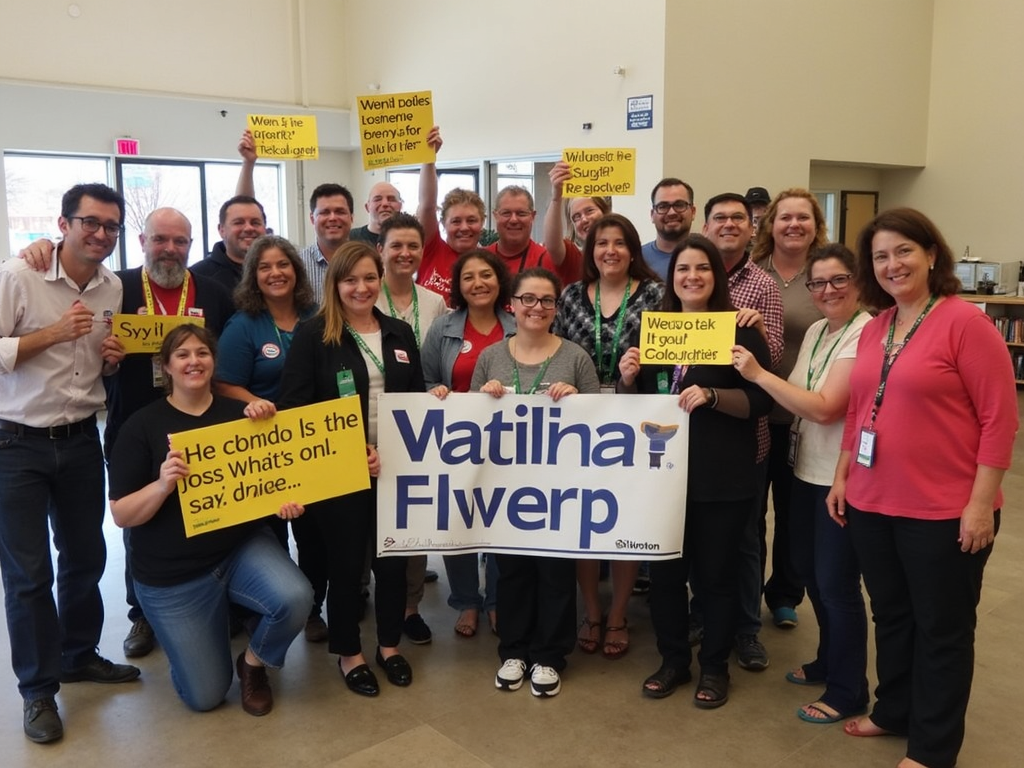
Overview
Advocacy is a powerful tool for creating change, and when combined with volunteerism, it can have a profound impact on communities and causes. This article explores the world of advocacy programs for volunteers, providing insights into how these programs work, their benefits, and how you can get involved. Whether you're a seasoned volunteer or just starting out, this guide will help you understand the role of advocacy in volunteer work and how you can make a difference.
What is Advocacy?
Advocacy is the act of supporting or promoting a cause, policy, or idea. It involves speaking up for what you believe in and working to influence decisions that affect your community or the world at large. Advocacy can take many forms, from writing letters to elected officials to organizing protests or campaigns.
In the context of volunteer work, advocacy often involves using your voice and actions to support the mission of the organization you're volunteering with. This could mean raising awareness about an issue, lobbying for policy changes, or mobilizing others to take action.
Why Advocacy Matters for Volunteers
Volunteering is about more than just giving your time; it's about making a difference. Advocacy allows volunteers to amplify their impact by addressing the root causes of the issues they're passionate about. For example, a volunteer at a food bank might advocate for policies that address hunger and poverty, rather than just providing temporary relief.
Advocacy also empowers volunteers by giving them a sense of ownership and purpose. When volunteers see the tangible results of their advocacy efforts, it can be incredibly motivating and rewarding.

Types of Advocacy Programs for Volunteers
There are many different types of advocacy programs available for volunteers, each with its own focus and approach. Some common examples include:
-
Grassroots Advocate: This involves mobilizing individuals at the local level to take action on an issue. Grassroots advocacy programs often rely on volunteers to organize events, contact elected officials, and spread the word about a cause.
-
Legislative Advocacy: This type of advocacy focuses on influencing laws and policies at the local, state, or national level. Volunteers might participate in lobbying efforts, write letters to legislators, or testify at hearings.
-
Digital Advocacy: With the rise of social media and online platforms, digital advocacy has become increasingly important. Volunteers can use these tools to raise awareness, gather support, and pressure decision-makers.
-
Community Advocacy: This involves working directly with communities to identify their needs and advocate for solutions. Volunteers might organize community meetings, conduct surveys, or collaborate with local leaders.

How Advocacy Programs Work
Advocacy programs for volunteers typically provide training, resources, and support to help volunteers become effective advocates. This might include workshops on communication skills, information about the issue or cause, and guidance on how to engage with decision-makers.
Many programs also offer opportunities for volunteers to take on leadership roles, such as organizing events or leading campaigns. This not only helps the program achieve its goals but also allows volunteers to develop valuable skills and experience.
Benefits of Advocacy Programs for Volunteers
Participating in an advocacy program can offer numerous benefits for volunteers, including:
-
Skill Development: Advocacy programs often provide training in areas like public speaking, writing, and organizing, which can be valuable in both personal and professional contexts.
-
Networking Opportunities: Working with other volunteers and advocates can help you build connections and expand your professional network.
-
Personal Growth: Advocacy can be a transformative experience, helping you develop confidence, resilience, and a sense of purpose.
-
Impact: Perhaps the most significant benefit is the ability to make a real difference in the world. Advocacy programs give volunteers the tools and platform to create lasting change.

Case Study: Successful Advocacy Programs
To illustrate the power of advocacy programs, let's look at a few examples of successful initiatives:
-
The American Cancer Society's Cancer Action Network (ACS CAN): This advocacy arm of the American Cancer Society mobilizes volunteers to advocate for policies that improve cancer care and research. Through grassroots efforts and legislative advocacy, ACS CAN has helped pass laws that increase funding for cancer research and improve access to care.
-
The Sierra Club's Volunteer Advocacy Program: The Sierra Club, an environmental organization, relies on volunteers to advocate for policies that protect the planet. Volunteers participate in campaigns to promote clean energy, protect public lands, and address climate change.
-
The National Alliance on Mental Illness (NAMI) Advocacy Program: NAMI's advocacy program trains volunteers to advocate for mental health policies at the local, state, and national levels. Volunteers work to reduce stigma, improve access to care,9 and support research into mental health conditions.

How to Get Involved in Advocacy Programs
If you're interested in getting involved in advocacy programs for volunteers, here are some steps you can take:
-
Identify Your Passion: Think about the issues or causes that matter most to you. This will help you find an advocacy program that aligns with your values and interests.
-
Research Organizations: Look for organizations that have advocacy programs for volunteers. You can start by searching online or asking for recommendations from friends or colleagues.
-
Reach Out: Contact the organization to learn more about their advocacy program and how you can get involved. Many organizations have volunteer coordinators who can provide information and guidance.
-
Attend Training: Once you've joined a program, take advantage of any training or resources offered. This will help you become an effective advocate and make the most of your volunteer experience.
-
Take Action: Start small by participating in simple advocacy activities, such as signing petitions or sharing information on social media. As you gain confidence, you can take on more significant roles, like organizing events or meeting with elected officials.

Conclusion
Advocacy programs for volunteers offer a powerful way to make a difference in the world. By combining the passion and dedication of volunteers with the tools and strategies of advocacy, these programs can create lasting change on issues that matter. Whether you're new to volunteering or a seasoned advocate, there's a place for you in the world of advocacy. So, take the first step today and start making your voice heard.