Empowering Change: A Deep Dive into Advocacy Programs for Volunteers
Discover how advocacy programs for volunteers empower individuals to drive meaningful change. This comprehensive guide explores the benefits, challenges, and practical steps to get involved, offering insights for aspiring advocates.
5 min read
Overview
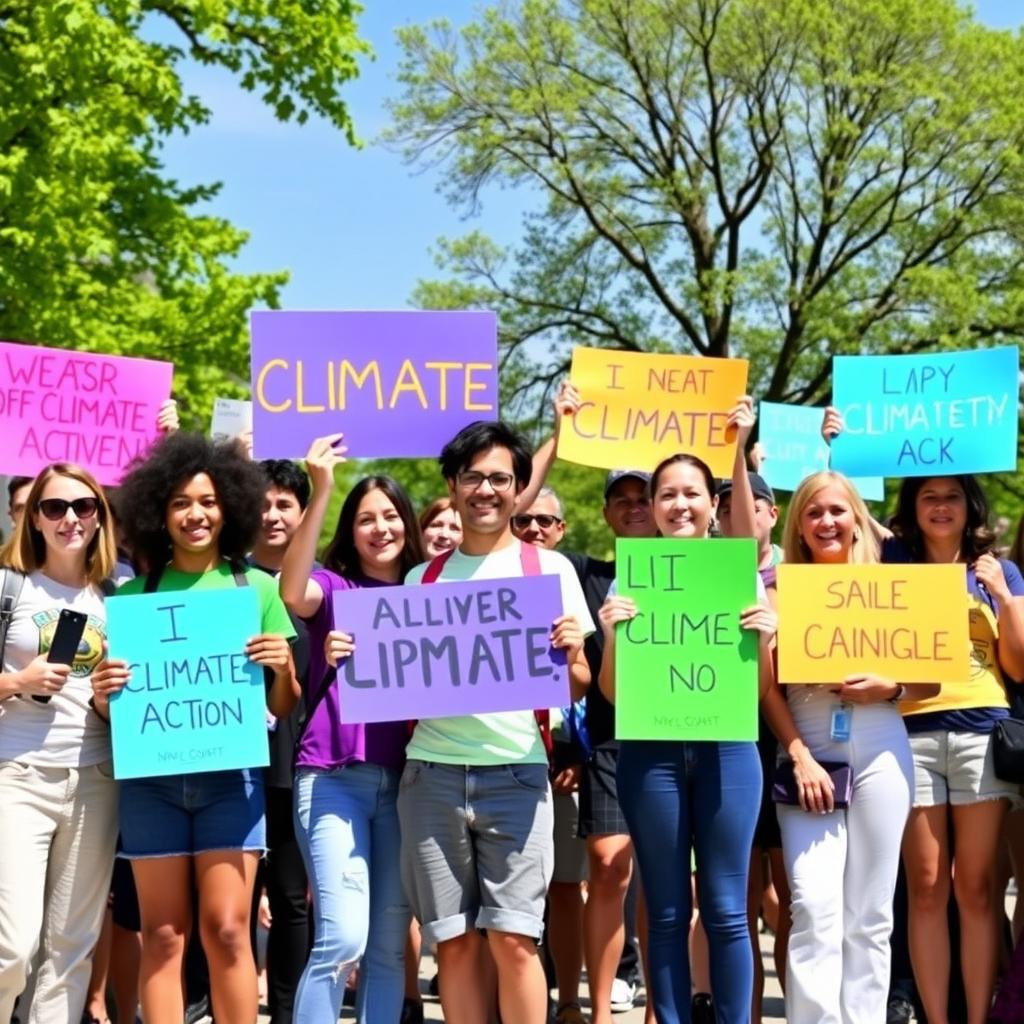
Advocacy programs for volunteers offer a powerful way to create change. Whether you're passionate about environmental issues, social justice, or community welfare, these programs channel your energy into action. This article explores how volunteers can join advocacy efforts, the skills they gain, and the impact they make.
What Are Advocacy Programs for Volunteers?
Advocacy programs for volunteers are structured initiatives that empower individuals to promote causes they care about. Unlike traditional volunteering, advocacy focuses on influencing policies, raising awareness, or changing public perceptions. Volunteers might lobby for legislative changes, organize community campaigns, or educate others about critical issues.
These programs vary widely. Some are run by nonprofits, others by grassroots movements or government agencies. For example, organizations like Amnesty International train volunteers to advocate for human rights, while local groups might focus on issues like affordable housing or climate action.
What sets advocacy apart is its focus on systemic change. Volunteers don’t just provide direct service—like serving meals at a shelter—they work to address root causes. This could mean writing to lawmakers, speaking at public forums, or using social media to amplify a cause. The goal is to create lasting impact, not just temporary relief.

Why Join an Advocacy Program?
Volunteering in advocacy programs offers unique rewards. First, it’s a chance to make a difference on a larger scale. By influencing policies or public opinion, volunteers can impact entire communities or even nations. For example, advocacy efforts by volunteers helped pass the Clean Air Act in the United States, improving air quality for millions.
Second, these programs build valuable skills. Volunteers learn public speaking, research, and negotiation. They also gain confidence in navigating complex systems, like government or corporate structures. These skills are transferable, boosting careers in fields like law, public relations, or nonprofit management.
Finally, advocacy fosters a sense of purpose. When you see your efforts lead to real change—like a new community center or stronger environmental protections—it’s incredibly fulfilling. I’ve spoken with volunteers who describe the moment a policy they championed was adopted as one of the proudest of their lives.
Challenges of Advocacy Volunteering
Advocacy isn’t always easy. It requires patience, as systemic change often takes years. Volunteers may face resistance from decision-makers or the public, which can be discouraging. For instance, advocating for controversial issues like immigration reform can lead to heated debates or pushback.
Time commitment is another hurdle. Many programs require training, research, or regular participation in events. Balancing this with work or family can be tough. I recall a volunteer I met who spent months preparing for a single city council meeting, only to have the proposal delayed. Yet, her persistence paid off when the policy was eventually passed.
Burnout is also a risk. Advocacy often involves emotional investment, especially for issues tied to personal experiences. Programs that offer mentorship or peer support can help volunteers stay motivated and avoid exhaustion.

How to Get Involved in Advocacy Programs
Ready to dive in? Here’s a step-by-step guide to joining advocacy programs for volunteers:
- Identify Your Passion: Choose a cause that resonates with you, like education, healthcare, or animal rights. Passion fuels persistence.
- Research Organizations: Look for reputable groups with strong advocacy programs. Websites like VolunteerMatch can help you find opportunities.
- Start Small: Many programs offer entry-level roles, like signing petitions or sharing social media posts. These are great ways to learn the ropes.
- Attend Training: Most programs provide workshops or online courses to teach advocacy skills. Take advantage of these to build confidence.
- Connect with Others: Join local or online advocacy communities. Networking with experienced advocates can open doors and provide support.
A great example is the Sierra Club’s volunteer advocacy program, which trains people to lobby for environmental policies. Their website offers resources to get started.
Don’t worry if you’re new to advocacy. Many programs welcome beginners and provide guidance. I started as a volunteer with no experience, nervously attending my first community meeting. The training and support I received helped me grow into a confident advocate.
Types of Advocacy Programs
Advocacy programs come in many forms. Here’s a quick overview:
| Type | Description | Example |
|---|---|---|
| Grassroots | Community-driven efforts to influence local change | Neighborhood campaigns for safer streets |
| Policy Advocacy | Lobbying for legislative or regulatory changes | Volunteers pushing for renewable energy laws |
| Public Awareness | Educating the public to shift opinions | Social media campaigns for mental health awareness |
| Direct Action | Organizing protests or rallies | Climate strikes led by youth volunteers |
Each type offers unique ways to contribute. Grassroots programs are great for those who love community organizing, while policy advocacy suits those comfortable with research and lobbying.
Real Impact of Volunteer Advocacy
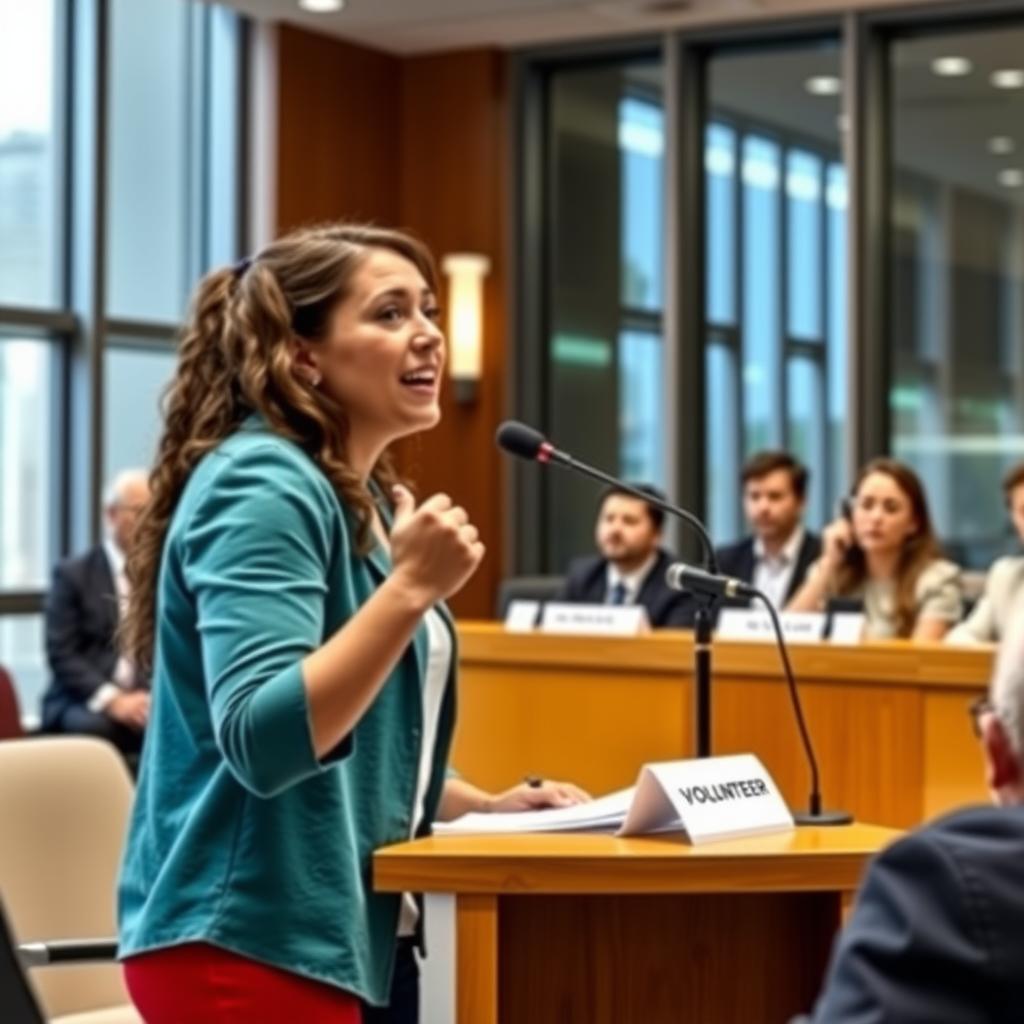
The impact of advocacy programs for volunteers is undeniable. Consider the Marriage Equality Act in the U.S., where volunteers played a key role in public campaigns and lobbying efforts that led to its passage in 2015. Similarly, global movements like Fridays for Future rely heavily on volunteers to amplify climate issues.
On a personal level, advocacy transforms volunteers. I’ve seen shy individuals become powerful speakers after months of training. Others have turned their volunteer work into full-time careers, inspired by the impact they made. These stories highlight the ripple effect of advocacy—changing systems and lives.
Tips for Success as an Advocacy Volunteer
To thrive in advocacy, keep these tips in mind:
- Stay Informed: Read up on your cause. Websites like The Advocacy Institute offer free resources.
- Be Respectful: Engage with opponents calmly. Building bridges often leads to better outcomes than confrontation.
- Track Progress: Celebrate small wins, like getting a meeting with a decision-maker. They add up.
- Self-Care: Take breaks to avoid burnout. Advocacy is a marathon, not a sprint.
These strategies helped me stay focused during long campaigns. They also ensure you remain effective without losing your passion.
Summary
Advocacy programs for volunteers are a gateway to creating meaningful change. They offer a chance to learn, grow, and impact communities while tackling issues you care about. Though challenges like time commitment and resistance exist, the rewards—both personal and societal—are worth it. Start small, find your cause, and join the movement to make a difference.