Stories of Successful Advocacy Wins: Inspiring Real Change Through Advocacy and Volunteer Efforts
Discover powerful Stories of Successful Advocacy Wins and learn how dedicated volunteers create lasting impact. Explore Measuring Success in Advocacy Efforts, best practices in advocacy volunteering, and actionable tips to amplify your voice.
4 min read
Advocacy has the power to transform communities and shape a better future. In this article, we dive into inspiring Stories of Successful Advocacy Wins that show how ordinary people, through persistent volunteer work, have achieved extraordinary results. Whether you're new to advocacy or a seasoned volunteer, these real-life examples offer hope and practical lessons.
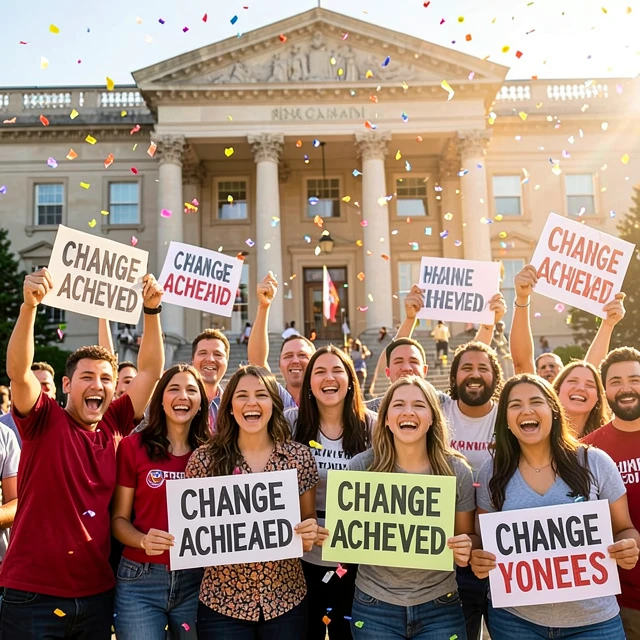
Advocacy is more than just raising your voice—it is about building connections, gathering evidence, and pushing for policy changes that matter. Many successful campaigns started with a small group of dedicated volunteers who refused to give up. These Stories of Successful Advocacy Wins remind us that real progress is possible when people work together.
One powerful example comes from a local environmental group that fought against a proposed factory in their riverside community. Volunteers spent months collecting water samples, organizing town halls, and meeting with elected officials. Their persistence paid off when the project was canceled, protecting the river for future generations. This victory strengthened community bonds and inspired neighboring towns to launch similar efforts.
Another standout story involves healthcare access. A group of parent volunteers noticed gaps in mental health services for children in their school district. They formed an advocacy network, gathered stories from families, and presented data to the school board. After two years of steady pressure and public meetings, the district approved funding for new counselors. The volunteers' efforts directly improved support for hundreds of kids.
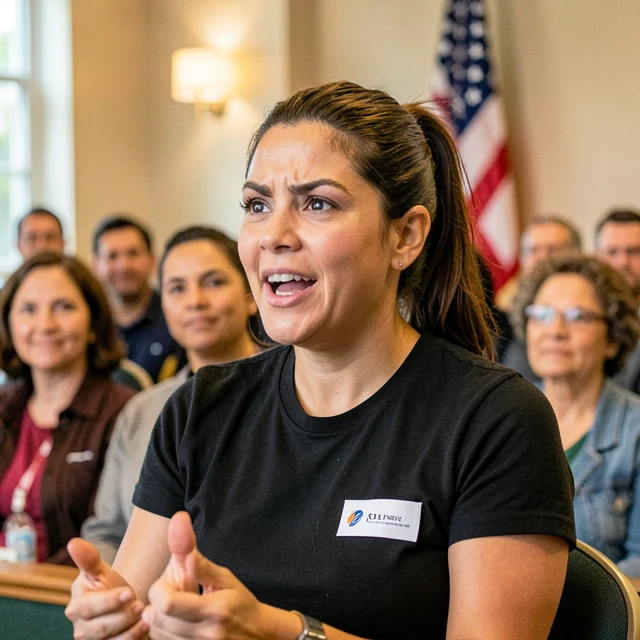
These wins highlight the importance of strategy and teamwork. Successful advocates often combine personal stories with solid facts. They build coalitions, use social media wisely, and follow up consistently. When volunteers stay organized and focused, they can overcome significant obstacles.
Measuring Success in Advocacy Efforts can be challenging because change sometimes takes years. However, advocates track both short-term and long-term wins. Short-term indicators include increased media coverage, more petition signatures, meetings with decision-makers, and shifts in public opinion. Long-term measures focus on actual policy changes, new laws passed, or improved community conditions.
A helpful way to measure progress is to set clear goals at the beginning. For example, a campaign might aim to collect 5,000 signatures or secure three key meetings. Tracking these milestones keeps the team motivated and helps demonstrate impact to supporters and funders.
Best practices in advocacy volunteering emphasize preparation and respect. Always research the issue thoroughly. Listen actively to others, even those who disagree. Build relationships with local leaders rather than treating them as opponents. Clear, respectful communication often opens more doors than confrontation.
Volunteers should also focus on sustainability. Burnout is common in advocacy work, so successful groups rotate tasks, celebrate small wins, and support each other's well-being. Training new volunteers ensures the work continues even when original members move on.

Digital tools have changed advocacy for the better. Volunteers now use online petitions, targeted social media campaigns, and virtual town halls to reach wider audiences. However, face-to-face meetings and community events remain crucial for building trust and securing real commitments.
Consider the story of a disability rights campaign. A small team of volunteers, many with lived experience, pushed for better accessibility in public transportation. They documented barriers with photos and videos, collected rider testimonials, and presented their findings at city council meetings. Their advocacy led to concrete improvements including new ramps and audio announcements on buses.
Education advocacy also produces many success stories. In one district, parent volunteers noticed outdated textbooks and large class sizes. They formed a coalition, researched best practices from other areas, and presented a detailed proposal with cost estimates. After public hearings and persistent follow-up, the district approved a multi-year improvement plan.
These examples show that advocacy wins often result from consistent effort over time. Volunteers who stay committed and adapt their strategies see the greatest results. Personal connections and authentic storytelling make the biggest difference.
If you want to get involved, start small. Join a local group working on an issue you care about. Offer your skills—whether writing, organizing events, or making phone calls. Every contribution matters in advocacy work.
Successful advocacy also requires understanding the decision-making process. Learn who holds power and how policies get approved. Build relationships across party lines when possible. Focus on shared values rather than differences to find common ground.
Data plays a key role too. Volunteers who bring clear evidence and real human stories create stronger cases. Combining numbers with personal narratives helps decision-makers see both the scale and the human impact of issues.
In summary, Stories of Successful Advocacy Wins prove that dedicated volunteers can drive meaningful change. By applying best practices in advocacy volunteering and carefully Measuring Success in Advocacy Efforts, anyone can contribute to a better world. Your voice and actions matter more than you might think.