Advocacy Toolkit: Resources for New Organizers
Discover essential tools and strategies in this Advocacy Toolkit: Resources for New Organizers. From Community Organizing 101 to networking tips, get actionable advice to launch your advocacy efforts with confidence.
4 min read
Welcome to Your Advocacy Journey
Starting out in advocacy can feel exciting yet overwhelming. This Advocacy Toolkit: Resources for New Organizers offers a clear path forward. You'll find practical steps, real-world tips, and resources to build your skills. Whether you're passionate about local issues or global change, these tools will help you make a difference. Let's dive in and turn your ideas into action.

Community Organizing 101: Laying the Foundation
Community organizing starts with understanding your why. Ask yourself: What change do you want to see? For me, it began with a neighborhood park cleanup. I saw kids playing in a littered space and knew we could do better.
First, identify your issue. Pick something close to home. Local problems often spark the biggest fires for action. Talk to people around you. Listen more than you speak. Their stories will shape your goals.
Next, build a core team. Reach out to friends, neighbors, or online groups. Share your vision simply. Say, 'I want to clean up our park. Join me?' Small yeses add up fast.
Set clear goals. Use the SMART method: Specific, Measurable, Achievable, Relevant, Time-bound. For example, 'Host a cleanup event with 20 volunteers by next month.' This keeps everyone focused.
Remember, organizing is about people, not perfection. Early mistakes teach the most. One time, I forgot permits for our event. We pivoted to a smaller spot and still succeeded. Flexibility wins.
To deepen your basics, check out the Community Tool Box from the University of Kansas. It breaks down key tasks with outlines and examples tailored for beginners.
Building Skills Through Volunteer Training for Advocacy Work
No one starts as an expert. Volunteer training for advocacy work bridges that gap. It equips you with tools to communicate, plan, and lead effectively.
Start with free online courses. Platforms like Coursera offer modules on public speaking and conflict resolution. Dedicate one hour a day. Practice what you learn in real chats.
Join local workshops. Community centers often host sessions on grant writing or event planning. I attended one on storytelling for causes. It transformed how I pitched ideas—now, my emails get twice the responses.
Role-play scenarios. Gather your team and act out tough talks, like handling opposition. This builds confidence. Laugh at the flops; they'll feel real soon enough.
Track your growth. Keep a journal. Note what worked and what didn't. After three months, review it. You'll see progress you missed in the moment.
| Training Area | Why It Matters | Quick Start Tip |
|---|---|---|
| Public Speaking | Helps rally support | Record yourself weekly |
| Event Planning | Ensures smooth actions | Use free templates online |
| Conflict Resolution | Keeps teams united | Practice active listening |
| Fundraising Basics | Funds your efforts | Host a small bake sale first |
For structured guidance, explore the Student Guide for Community Organizing from UC Berkeley. It connects campus resources to real community needs, perfect for new volunteers.
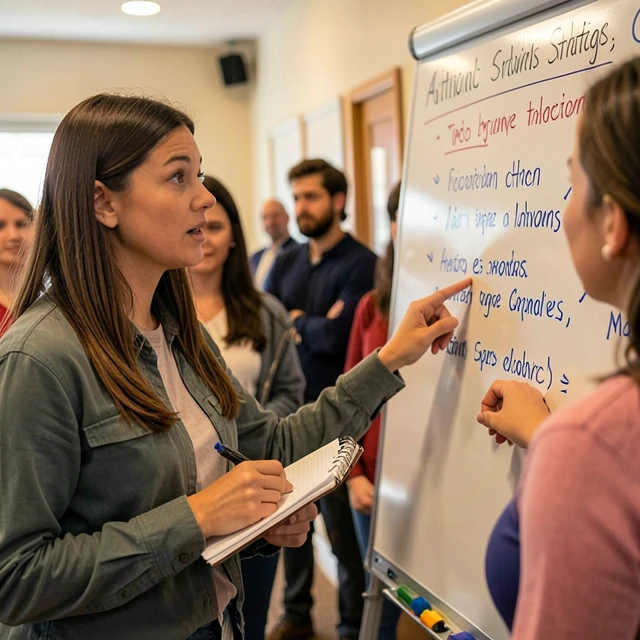
Networking Tips for Advocacy Volunteers: Connect and Grow
Networking isn't schmoozing—it's building bridges. As a new organizer, connections open doors to mentors, funders, and allies.
Attend events wisely. Pick ones aligned with your cause, like city council meetings or nonprofit mixers. Go with a goal: 'Meet two people who share my passion.' Follow up with a thank-you note.
Use social media smartly. Join LinkedIn groups or Twitter chats on advocacy. Share quick wins, like 'Our park cleanup gathered 50 bags of trash!' Tag relevant orgs. Conversations flow from there.
Leverage one-on-one coffees. Reach out to experienced advocates. Say, 'I admire your work on housing rights. Can we chat for 15 minutes?' Listen, ask questions, offer help in return.
Build a contact list. Use a simple spreadsheet: Name, Role, How Met, Next Step. Review it monthly. Nurture ties with small gestures, like sharing an article.
My best connection came from a chance chat at a rally. That person introduced me to a grant opportunity. Networks multiply impact—yours will too.
- Prepare your elevator pitch: 30 seconds on your cause and ask.
- Follow the 80/20 rule: Listen 80%, talk 20%.
- Give before you get: Share resources freely.
- Stay consistent: One outreach per week keeps momentum.
Enhance your approach with insights from ASU Lodestar Center's guide on engaging volunteers in advocacy. It shares ways to extend volunteer impact through micro-actions.

Essential Resources in Your Advocacy Toolkit
Your toolkit needs variety: books, templates, apps, and more. Stock up without overwhelm.
Books first. 'Rules for Radicals' by Saul Alinsky teaches timeless tactics. Read one chapter weekly; discuss with your group.
Templates save time. Grab free ones for petitions, budgets, and flyers from sites like Canva. Customize them to fit your voice.
Apps streamline work. Try Trello for task tracking or SignNow for digital petitions. They keep teams synced on the go.
Join networks. Organizations like the National Council of Nonprofits offer forums and webinars. It's like having a virtual mentor hall.
Fundraise early. Start with crowdfunding on GoFundMe. Share your story with photos—visuals pull heartstrings.
One resource I swear by: The Organizing for Effective Advocacy section of the Community Tool Box. It covers research, education, and handling pushback with step-by-step plans.
Don't forget self-care. Advocacy burns bright but can dim you out. Schedule breaks, celebrate wins, and lean on your circle. Sustainable passion lasts.
Personal story: During a year-long campaign for better schools, I hit burnout. A weekend off with friends reset me. Now, I build rest into every plan.
Wrapping Up: Your Next Steps
You've got the basics of Community Organizing 101, solid volunteer training for advocacy work tips, and Networking Tips for Advocacy Volunteers. This Advocacy Toolkit: Resources for New Organizers is your launchpad. Pick one action today—reach out to a potential ally or sign up for a workshop. Momentum builds from motion.
Advocacy changes lives, starting with yours. Stay curious, kind, and bold. The community needs your voice.