Empowering Change: The Advocacy Training Toolkit from Amnesty International
Discover how Amnesty International's advocacy training resources equip volunteers with essential skills for effective human rights advocacy work. This comprehensive guide explores tools, courses, and real-world applications for anyone passionate about making a difference.
2 min read
Overview
Amnesty International offers powerful advocacy training resources that help volunteers turn passion into action. These tools provide practical guidance for human rights advocacy, enabling everyday people to fight injustice effectively. Whether you're new to activism or experienced, these materials support meaningful change.

Human rights advocacy involves speaking up for those whose rights are violated. Amnesty International has long empowered volunteers through targeted training. Their resources, often called advocacy training toolkits, focus on building skills for real impact.
Many people start as volunteers, drawn to causes like freedom of expression or ending discrimination. Amnesty's materials make volunteer training for advocacy work accessible and effective.
Amnesty provides free online courses through their Human Rights Academy. These cover basics to advanced topics, helping volunteers learn advocacy strategies at their own pace.
One key resource is the open source investigations courses, developed with Advocacy Assembly. They teach verification skills crucial for modern advocacy.
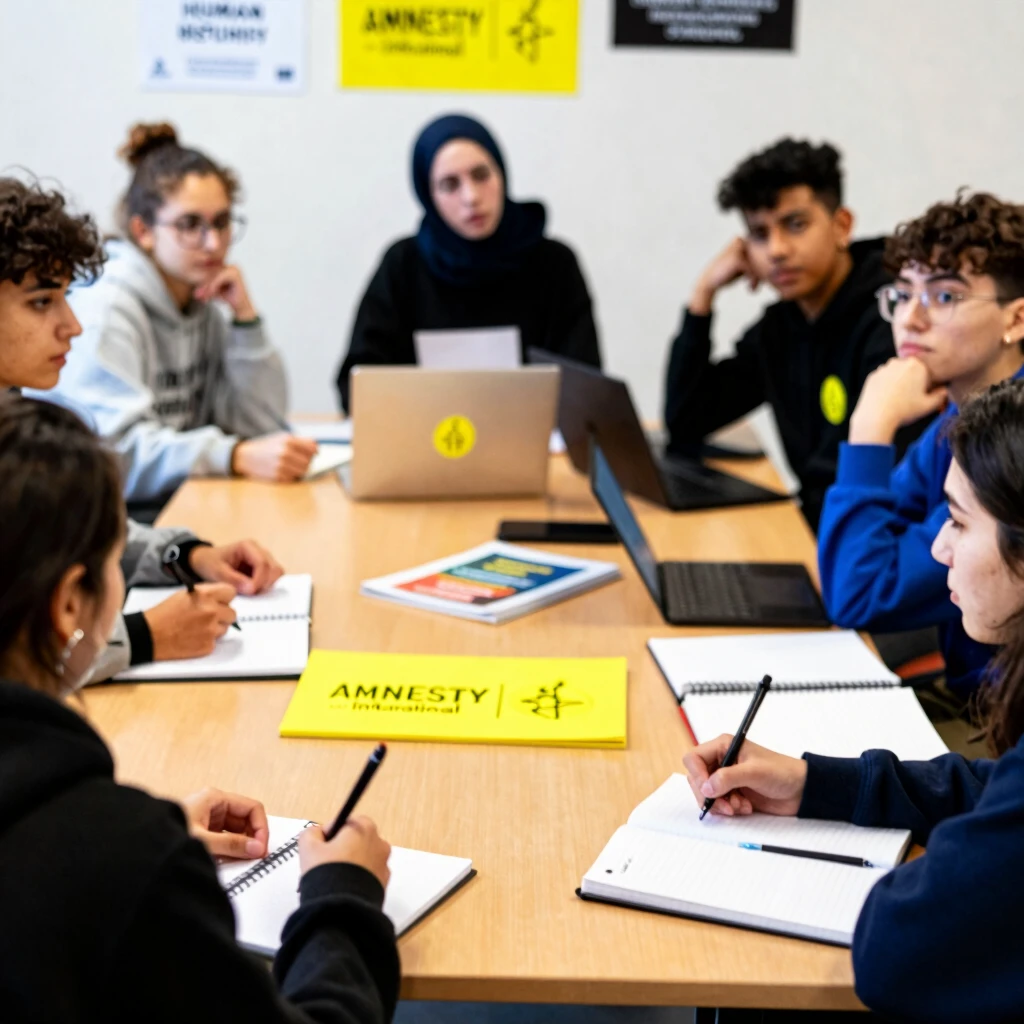
Volunteers play a vital role in Amnesty's work. From organizing events to campaigning, volunteer training for advocacy work builds confidence and knowledge.
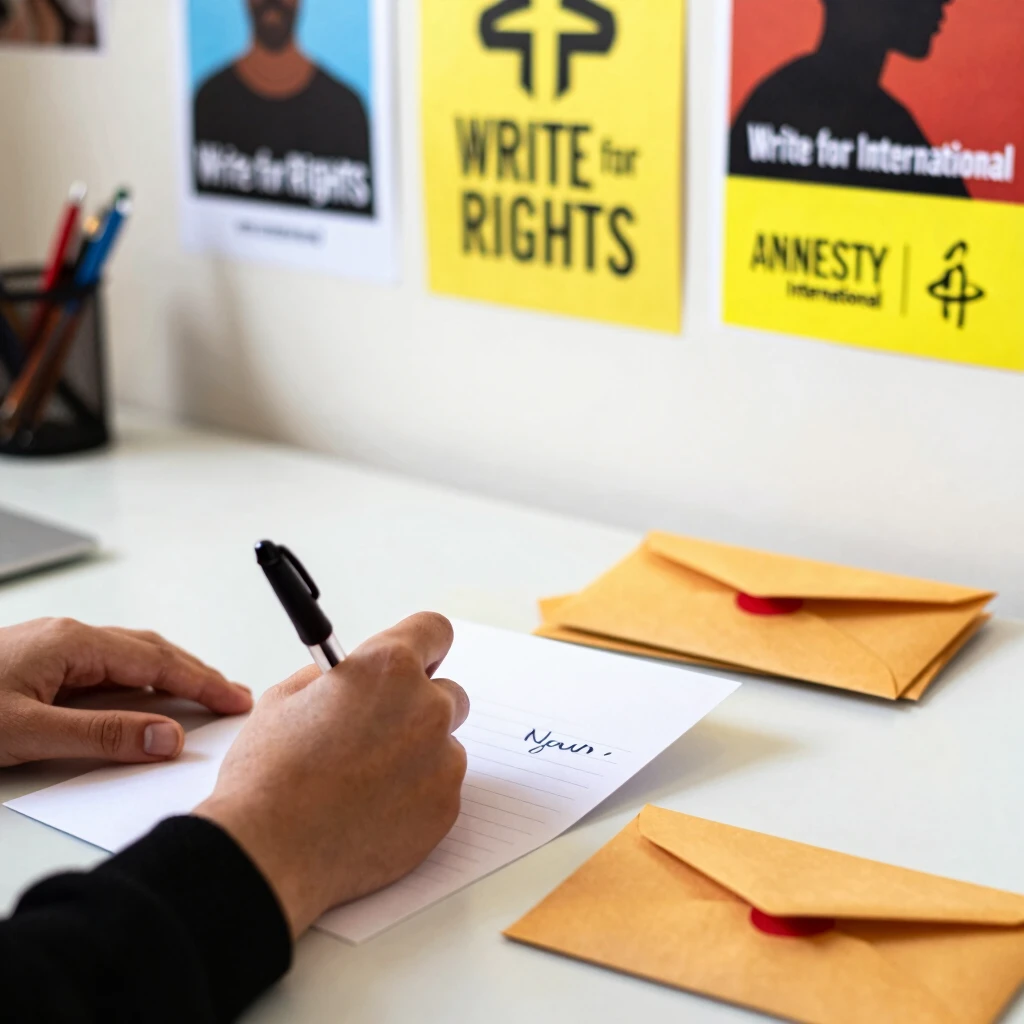
For example, the Write for Rights campaign trains participants to write letters that pressure authorities. This simple act has freed prisoners and changed laws.
Amnesty's toolkits address specific issues, like forced evictions or death penalty abolition. These provide step-by-step guides for campaigns.
High-authority sources support effective advocacy. The Office of the United Nations High Commissioner for Human Rights (OHCHR) offers a Youth Rights Advocacy Toolkit with practical tips for young advocates.
Another valuable resource is the United Nations' guide on human rights defenders, explaining roles and protections for those in advocacy.
Human Rights Watch provides partner resources, including guides on efficient campaigning.
Personal insights from volunteers highlight the impact. One activist shared how Amnesty's training helped organize local protests that influenced policy. Starting small, like joining a group, leads to bigger actions.
Advocacy requires planning: research issues, build coalitions, and communicate clearly. Amnesty's materials teach these steps.
Key Skills from Amnesty's Advocacy Training
- Researching human rights violations
- Crafting persuasive messages
- Mobilizing community support
- Engaging with decision-makers
Use lists to plan actions: 1. Identify the issue 2. Gather evidence 3. Choose tactics (petitions, letters, events) 4. Follow up for results
Amnesty's Algorithmic Accountability Toolkit, launched recently, equips advocates to challenge AI harms. It includes templates for investigations and strategies for change.
For broader guidance, the OHCHR's fact sheet on human rights defenders outlines activities and protections.
Volunteers often face challenges like burnout or opposition. Amnesty's training includes self-care and security tips.
Authentic experiences show persistence pays off. Many campaigns succeed through sustained volunteer efforts.
In summary, Amnesty International's advocacy training toolkit and resources empower volunteers to drive human rights progress. Start with free courses, join campaigns, and apply skills locally. Your actions can create lasting change.