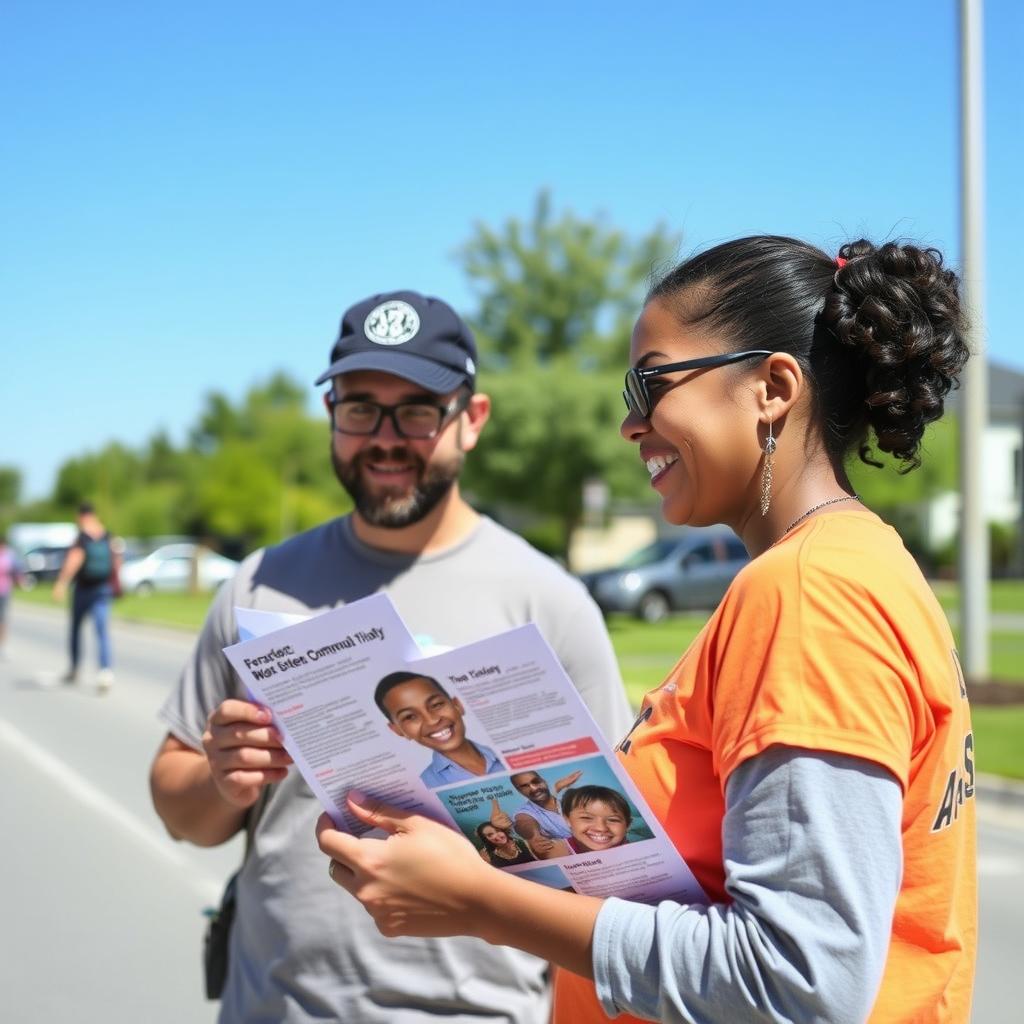
Understanding Advocacy Volunteer Roles and Responsibilities
Explore the essential roles, responsibilities, and benefits of advocacy volunteering and learn how to get involved in making a difference.
4 min read

What is Advocacy Volunteering?
Advocacy volunteering involves using your voice and actions to support a cause or organization. This can include raising awareness, lobbying for policy changes, organizing events, and more. Advocacy volunteers play a crucial role in driving social change and making a positive impact.
When I first started as an advocacy volunteer, I wasn’t sure what to expect. I quickly learned that it’s about more than just passion—it’s about action. Whether you’re speaking at a rally or researching the latest data, every task contributes to the bigger picture.
Roles and Responsibilities of Advocacy Volunteers
Advocacy volunteers can take on a variety of roles, depending on the organization and the cause. Here are some common responsibilities:
- Researching and staying informed about the issue
- Creating and distributing educational materials
- Organizing and participating in events and campaigns
- Lobbying policymakers and stakeholders
- Building relationships with community members and other organizations
- Monitoring and evaluating the impact of advocacy efforts
These roles require dedication, passion, and a willingness to learn and adapt. For example, as a researcher, you’ll need to stay up-to-date on the latest developments and trends. I remember spending hours reading reports and attending webinars to ensure I had the most accurate information. It was time-consuming, but knowing that my work was helping to shape our advocacy strategy made it worthwhile.
Similarly, organizing events can be both exciting and challenging. I once helped plan a community awareness campaign that involved coordinating volunteers, securing venues, and managing logistics. Despite the stress, seeing the community come together and engage with our cause was incredibly rewarding.
Skills and Qualities Needed for Advocacy Volunteering
Advocacy volunteering requires a unique set of skills and qualities. Here are some of the most important:
- Communication skills: Advocacy volunteers need to be able to communicate effectively with a variety of audiences, from policymakers to community members.
- Research skills: Staying informed about the issue and understanding the latest research and data is crucial.
- Organizational skills: Planning and executing events and campaigns requires strong organizational abilities.
- Passion and dedication: Advocacy volunteering can be challenging, so it’s important to have a genuine passion for the cause and a commitment to making a difference.
- Adaptability: The landscape of advocacy can change quickly, so volunteers need to be able to adapt to new situations and challenges.
When I started volunteering, I wasn’t confident in my public speaking abilities. But through practice—whether it was speaking in front of a mirror or presenting to small groups—I improved. Now, I feel comfortable addressing large crowds. Similarly, my research skills have grown over time. I’ve learned to use online databases and academic journals to find reliable information, which has been invaluable in shaping our advocacy efforts.
Benefits of Advocacy Volunteering
Advocacy volunteering offers numerous benefits, both for the volunteer and the community. Here are some of the key benefits:
- Making a positive impact: Advocacy volunteers have the opportunity to drive real change and make a difference in the world.
- Developing new skills: Volunteering can help you develop valuable skills, such as communication, research, and organization.
- Building connections: Volunteering allows you to meet like-minded individuals and build a network of contacts.
- Personal growth: Volunteering can be a rewarding and fulfilling experience that helps you grow as a person.
- Career opportunities: Volunteering can open doors to new career opportunities and help you stand out in the job market.
For me, the most significant benefit has been the sense of purpose it brings. Knowing that my efforts are contributing to a cause I care about is incredibly fulfilling. Additionally, the skills I’ve developed through volunteering—such as leadership and project management—have been invaluable in my professional life.
A report by VolunteerMatch highlights that 75% of volunteers feel a stronger connection to their community after getting involved. This statistic resonates with me, as I’ve built meaningful relationships through my volunteer work.
How to Get Involved in Advocacy Volunteering
If you're interested in becoming an advocacy volunteer, there are several steps you can take: 1. Identify your passion: Think about the causes that matter most to you and where you can make the biggest impact. 2. Research organizations: Look for organizations that align with your values and have opportunities for advocacy volunteers. 3. Reach out: Contact the organization and express your interest in volunteering. Be prepared to share your skills and experience. 4. Get trained: Many organizations offer training programs for volunteers. Take advantage of these opportunities to learn and grow. 5. Start small: Don't be afraid to start with small tasks and work your way up. Every contribution counts. 6. Stay committed: Advocacy volunteering requires dedication and perseverance. Stay committed to the cause and keep pushing forward.
Conclusion
Advocacy volunteering is a rewarding and impactful way to make a difference. By using your voice and actions to support a cause, you can drive real change and improve the lives of others. Whether you're just starting out or looking to take your volunteering to the next level, there are opportunities for everyone to get involved.
Recommended Readings
- "How to Become an Effective Advocate" by Jane Smith – A practical guide for beginners.
- "The Power of Volunteering" by VolunteerHub – Insights into the benefits of volunteering.
- "Advocacy Strategies for Beginners" by John Doe – Tips and strategies for new advocates.