Advocacy Volunteer Roles and Responsibilities: Making a Difference
Discover the rewarding world of advocacy volunteer roles and responsibilities. Learn what it takes to be an effective advocate, the skills needed, and how you can make a real impact in your community through volunteering.
4 min read
Overview
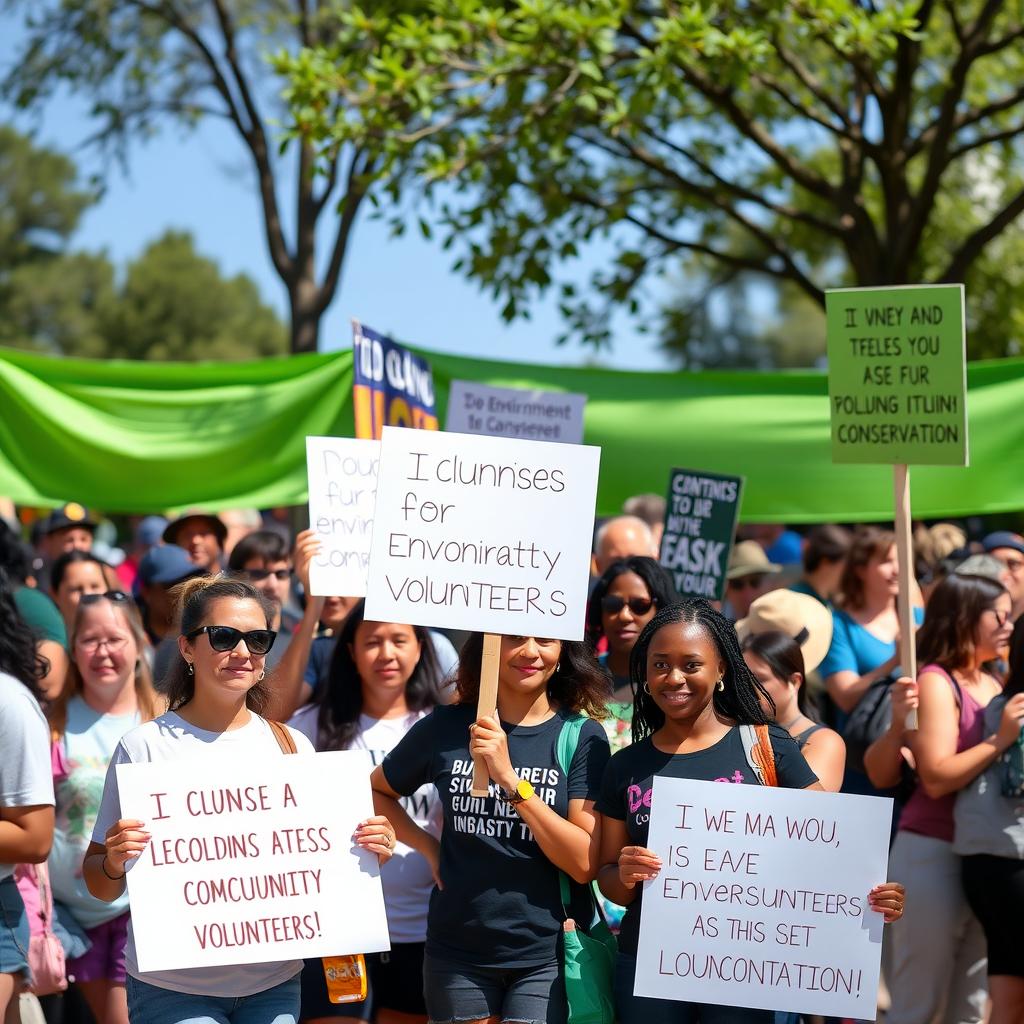
Advocacy volunteer roles and responsibilities involve speaking up for causes that matter, supporting communities, and driving change. Whether you're raising awareness or influencing policy, these roles are vital for creating impact. This article explores what advocacy volunteering entails, offering insights and practical tips for getting involved.
What Is Advocacy Volunteering?
Advocacy volunteering means standing up for a cause, group, or issue to bring about positive change. Unlike traditional volunteering, like serving food at a shelter, advocacy focuses on amplifying voices, raising awareness, and influencing decisions. It’s about creating lasting impact, often by addressing systemic issues.
For example, an advocacy volunteer might campaign for better healthcare access or environmental protections. You could be writing letters to lawmakers, organizing community events, or sharing stories on social media to spark conversations. The goal is to make people listen and act.
Why Advocacy Volunteering Matters
Advocacy volunteers bridge gaps between communities and decision-makers. They shine a light on issues that might otherwise be ignored. From my experience volunteering with a local environmental group, I saw how our efforts led to stricter regulations on local pollution. It wasn’t easy, but the impact was real.
These roles are powerful because they tackle root causes. Volunteers don’t just offer temporary help; they push for long-term solutions. Whether it’s advocating for mental health resources or equal education opportunities, your work can change lives.

Key Responsibilities of Advocacy Volunteers
Advocacy volunteer roles and responsibilities vary depending on the cause, but some core tasks stand out. Here’s a breakdown:
- Raising Awareness: Share information through social media, public speaking, or community events. For example, creating infographics about homelessness can educate others.
- Engaging Decision-Makers: Write letters, make calls, or meet with policymakers to push for change. I once helped draft a petition that got 500 signatures for a local park cleanup.
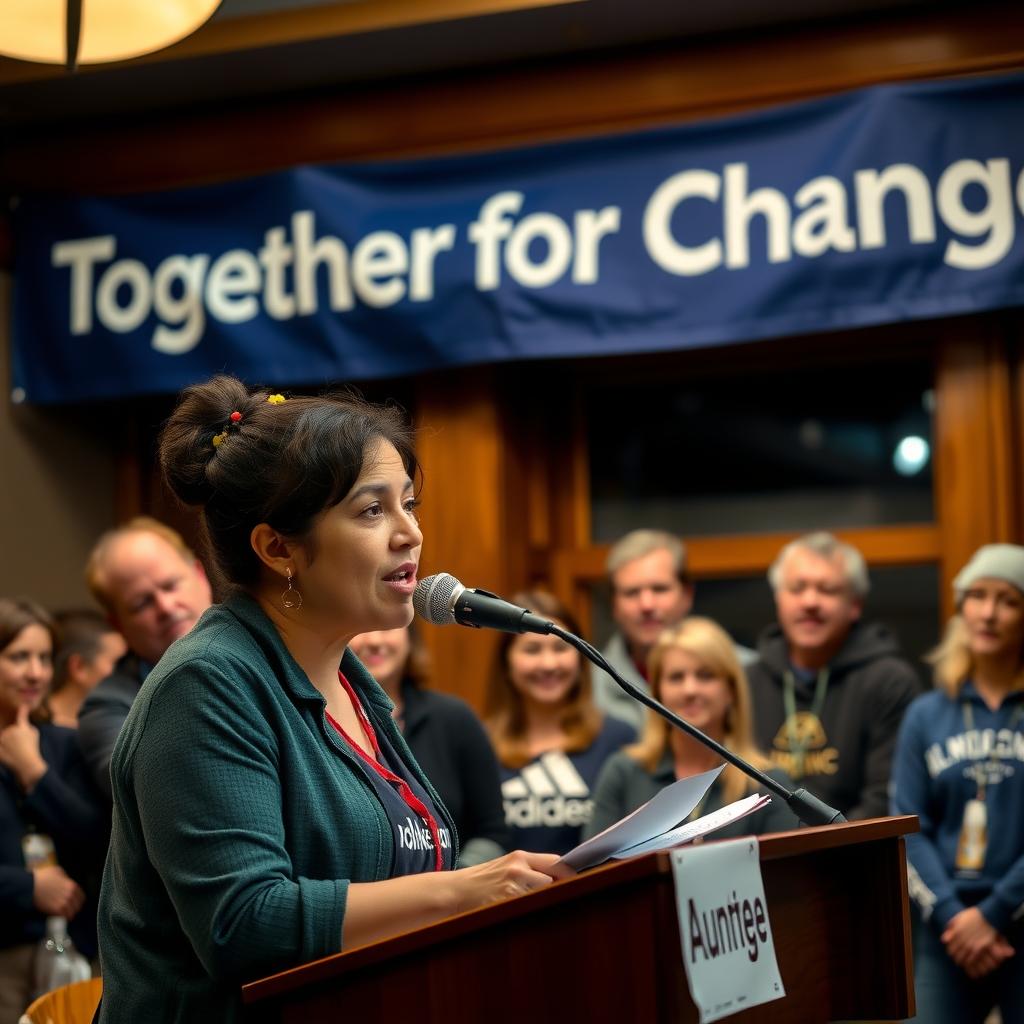
- Organizing Events: Plan rallies, workshops, or fundraisers to build momentum. These events unite people and amplify your message.
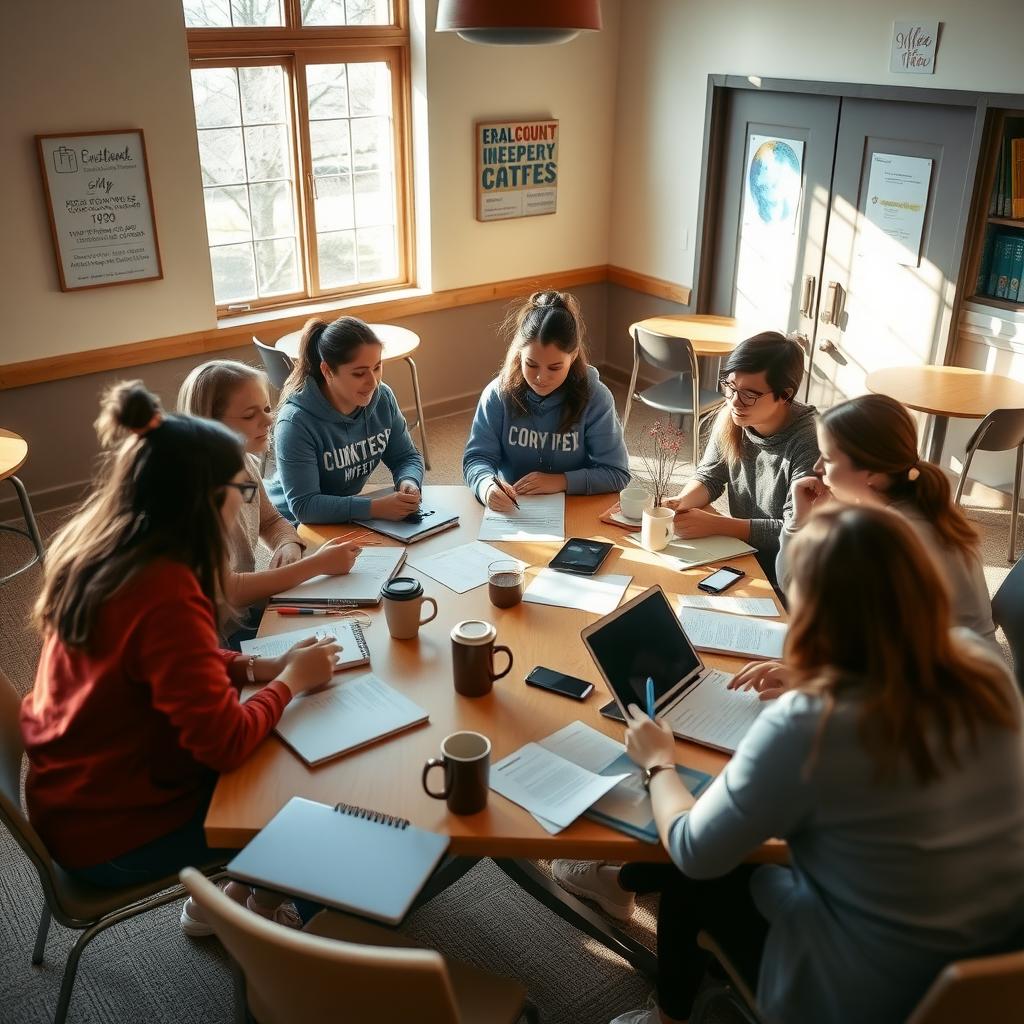
- Researching Issues: Stay informed about your cause to speak confidently. This might mean reading reports or attending webinars.
- Building Relationships: Connect with other advocates, organizations, and communities to strengthen your efforts.
Each task requires commitment and passion. You’re not just volunteering; you’re shaping the future.
Skills You Need to Succeed
Advocacy volunteering doesn’t require a degree or years of experience, but certain skills help. Here’s what you’ll need:
| Skill | Why It Matters |
|---|---|
| Communication | Clearly share ideas through writing, speaking, or social media. |
| Empathy | Understand the struggles of those you’re advocating for to connect authentically. |
| Research | Dig into data to back up your arguments with facts. |
| Organization | Plan events or campaigns without missing details. |
| Persistence | Change takes time, so staying committed is key. |
I learned persistence the hard way. During a campaign for affordable housing, we faced rejection after rejection. But by refining our approach and rallying more supporters, we eventually got a meeting with city officials. It taught me that advocacy is a marathon, not a sprint.
How to Get Started as an Advocacy Volunteer
Ready to dive into advocacy volunteer roles and responsibilities? Here’s a step-by-step guide:
- Find Your Cause: Choose an issue you care about, like climate change, education, or healthcare. Passion fuels motivation.
- Research Organizations: Look for local or national groups aligned with your cause. Websites like VolunteerMatch can help.
- Start Small: Attend a meeting or event to learn the ropes. You don’t need to lead a campaign right away.
- Build Skills: Take free online courses on advocacy or public speaking. Platforms like Coursera offer great options.
- Network: Connect with other volunteers to share ideas and grow your impact.
When I started, I joined a small community group focused on voter registration. I didn’t know much at first, but attending workshops and talking to experienced advocates helped me gain confidence.
Challenges You Might Face
Advocacy volunteering isn’t always smooth sailing. You’ll face challenges like:
- Burnout: The emotional weight of advocacy can be heavy. Take breaks and prioritize self-care.
- Resistance: Not everyone will agree with your cause. Stay calm and focus on facts.
- Time Commitment: Advocacy takes time, especially when organizing events or researching.
I remember feeling overwhelmed when our environmental campaign hit a wall. We kept hearing “no” from local businesses. But by regrouping and finding new allies, we pushed forward. It’s tough, but the rewards are worth it.
The Impact of Advocacy Volunteering
The real reward of advocacy volunteer roles and responsibilities is seeing change happen. Whether it’s a new policy, increased funding, or simply more people talking about your cause, your efforts matter. For example, a group I worked with helped pass a local ordinance for cleaner water sources. It took months, but the community now benefits every day.
Beyond tangible results, advocacy builds skills like leadership and teamwork. It also connects you with people who share your values. You’re not just volunteering—you’re part of a movement.
Tips for Long-Term Success
To thrive as an advocacy volunteer:
- Stay Informed: Read news, reports, and updates about your cause.
- Celebrate Wins: Even small victories, like a successful event, deserve recognition.
- Collaborate: Work with others to share the load and spark new ideas.
- Be Respectful: Engage with opponents calmly to keep conversations productive.
These tips helped me stay grounded during long campaigns. Celebrating small wins, like getting a local news article published, kept our team motivated.
Summary
Advocacy volunteer roles and responsibilities are about standing up for what matters. From raising awareness to influencing policy, volunteers drive real change. It’s not always easy, but with passion, persistence, and the right skills, you can make a difference. Start small, stay committed, and watch your impact grow.