Understanding Advocacy Volunteer Roles and Responsibilities: A Complete Guide
Discover the key advocacy volunteer roles and responsibilities, from raising awareness to influencing policy. Learn how you can make a real difference as a volunteer in advocacy efforts.
4 min read
Overview
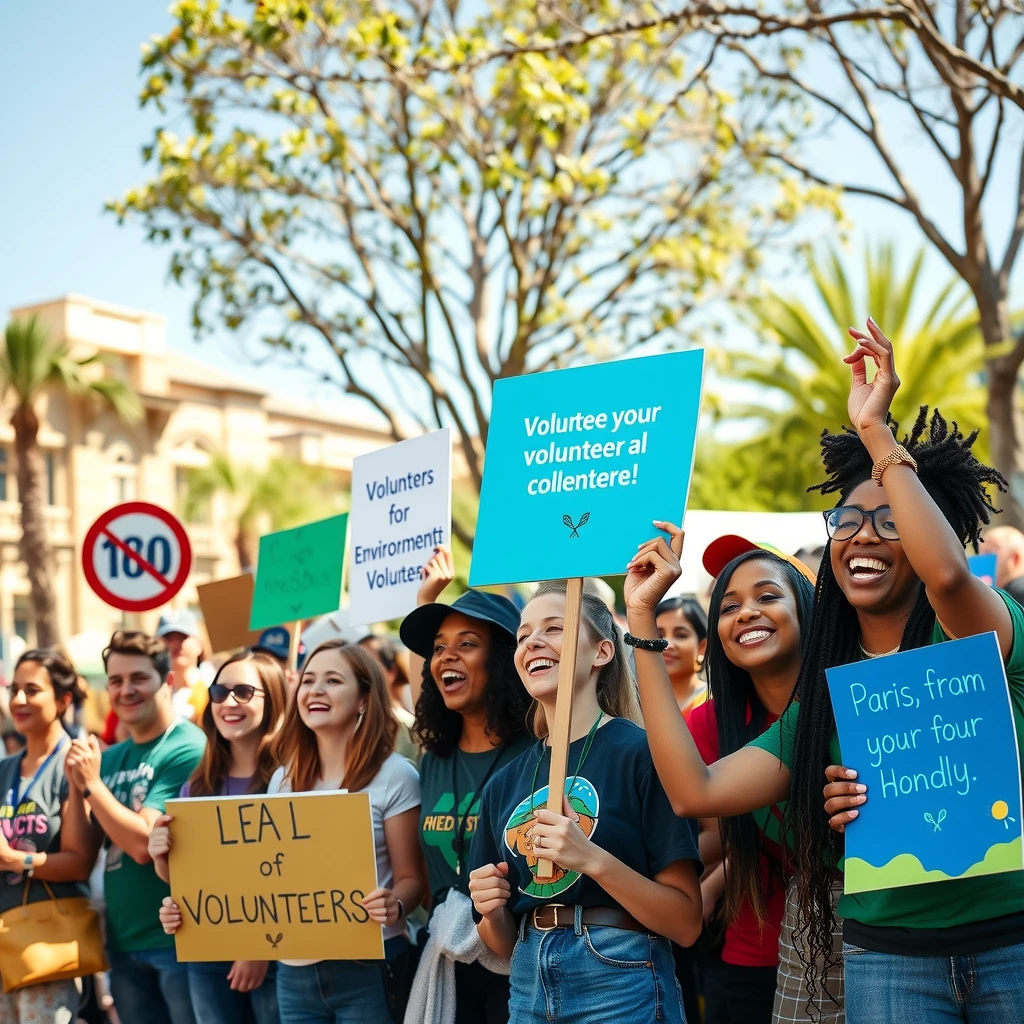
Advocacy volunteers play a vital role in driving change for important causes. They speak up for those who can't, raise awareness, and push for better policies. This guide explores advocacy volunteer roles and responsibilities to help you get started or deepen your involvement.

What Is Advocacy Volunteering?
Advocacy means speaking up for change. As a volunteer in advocacy, you work to influence decisions that affect people, communities, or the environment. You don't get paid, but you give your time and energy to make the world better.
Many people start as volunteers because they care deeply about an issue, like education, health, or rights. Advocacy volunteer roles and responsibilities vary, but they all focus on creating positive impact.
From my experience volunteering with local groups, advocacy feels empowering. You see how small actions add up to big results. One campaign I joined helped improve community services – it started with just a handful of dedicated volunteers.
Core Responsibilities of Advocacy Volunteers
Advocacy volunteers take on several key tasks. Here are the main ones:
- Raise Awareness: Share information through social media, events, or conversations to educate others about the cause.
- Contact Decision-Makers: Write letters, make calls, or meet with lawmakers to push for policy changes.
- Organize Events: Plan rallies, workshops, or petitions to build support.
- Research Issues: Gather facts and data to strengthen arguments.
- Support Affected People: Listen and help individuals navigate systems, like in child advocacy programs.
These responsibilities require commitment, but organizations provide training to help you succeed.
| Common Advocacy Volunteer Role | Key Responsibilities | Skills Needed |
|---|---|---|
| Community Outreach Volunteer | Distribute materials, host info sessions | Communication, enthusiasm |
| Policy Advocate | Lobby lawmakers, draft petitions | Research, writing |
| Event Organizer | Plan rallies and meetings | Organization, teamwork |
| Digital Advocate | Manage social media campaigns | Tech-savvy, creative |

Types of Advocacy Volunteer Roles
Advocacy covers many areas. You might focus on:
- Child and Family Advocacy: Like Court Appointed Special Advocates (CASA), where volunteers speak for abused or neglected children in court. They gather information and recommend what's best for the child.
- Environmental Advocacy: Campaign for cleaner air or protected lands.
- Health Advocacy: Push for better access to care or patient rights.
- Social Justice: Fight for equality and rights.
Each role has unique responsibilities, but all involve passion and persistence.
In my time as a volunteer advocate for children's rights, I spent evenings reviewing cases and attending hearings. It was challenging, but seeing a child get the support they needed made it worthwhile.
Skills and Qualities Needed
You don't need special degrees to start. Key qualities include:
- Good listening skills
- Ability to stay calm under pressure
- Reliability
- Open-mindedness
Training is common. For example, many programs require background checks and orientation sessions.
Anyone over 21 can often apply, and diversity helps serve different communities better.
Benefits of Being an Advocacy Volunteer
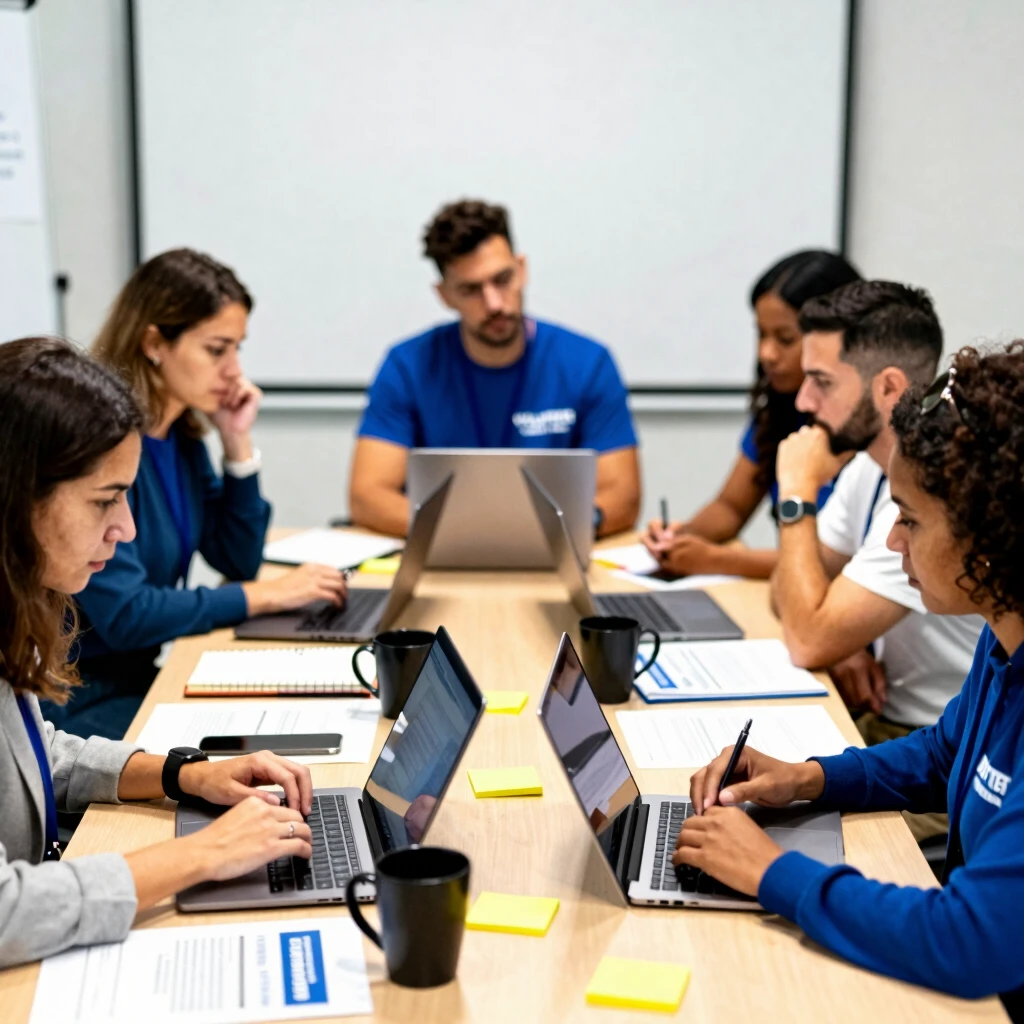
Volunteering in advocacy changes lives – including yours. You gain:
- New skills in communication and leadership
- A sense of purpose
- Connections with like-minded people
- Real impact on policies
According to experts, volunteers help sustain community values and drive progress toward global goals.
One high-authority source highlights how nonprofits engage volunteers in advocacy to influence public policy effectively. Learn more in this article from Arizona State University's Lodestar Center: How Nonprofits Can Engage Volunteers in Advocacy.
Another reputable organization emphasizes the right to volunteer freely: Check the Universal Declaration on Volunteering from the International Association for Volunteer Effort.
Independent Sector discusses the power of combining volunteerism with advocacy: Read about it in The Power of Volunteer Advocacy.
How to Get Started as an Advocacy Volunteer
Ready to join? Follow these steps:
- Choose a cause you care about.
- Search for local or national organizations.
- Apply and complete training.
- Start small – even sharing posts helps.
- Commit regularly for the best impact.
Many groups need volunteers who reflect diverse backgrounds to better serve everyone.
Challenges and How to Overcome Them
Advocacy work can be tough. You might face rejection or slow progress. Stay motivated by celebrating small wins and connecting with other volunteers.
Burnout happens, so set boundaries and take breaks. Organizations often offer support to keep you going.
Personal Insights from Years of Volunteering
I've volunteered in advocacy for over a decade. The best part? Building real change together. One time, our group influenced local policy after months of effort. It taught me patience and the power of persistent, respectful action.
If you're thinking about it, just start. Your voice matters.
Summary
Advocacy volunteer roles and responsibilities center on speaking up, educating, and influencing for good. Whether raising awareness or lobbying, volunteers drive meaningful change. Start today – find a cause and get involved. You'll grow while helping others.