Understanding Advocacy Volunteer Roles and Responsibilities
A comprehensive guide to advocacy volunteer roles and responsibilities, including personal insights and practical tips for aspiring volunteers.
4 min read

Advocacy volunteering is a powerful way to make a difference in your community and beyond. Whether you're passionate about social justice, environmental conservation, or public health, advocacy volunteers play a crucial role in driving change. This article explores the various roles and responsibilities of advocacy volunteers, offering insights from personal experience and expert knowledge. From understanding the basics to diving into specific tasks, this guide aims to equip you with the information you need to become an effective advocate.

What is Advocacy Volunteering?
Advocacy volunteering involves working to influence public policy, raise awareness about important issues, and support causes that matter to you. Unlike other forms of volunteering, which might focus on direct service, advocacy volunteers often engage in activities like lobbying, organizing campaigns, and educating the public. This type of volunteering requires a unique set of skills, including communication, organization, and a deep understanding of the issues at hand.
For example, an advocacy volunteer might work with a nonprofit organization to promote legislation that protects endangered species. This could involve researching the issue, creating informational materials, and meeting with lawmakers to discuss the importance of the legislation. The goal is to create systemic change rather than addressing individual needs.

Types of Advocacy Volunteer Roles
Advocacy volunteering encompasses a wide range of roles, each with its own set of responsibilities. Here are some common types:
- Lobbyist: Engages directly with policymakers to influence legislation.
- Campaign Organizer: Plans and executes campaigns to raise awareness and mobilize support.
- Researcher: Gathers and analyzes data to support advocacy efforts.
- Educator: Develops and delivers educational programs to inform the public about key issues.
- Social Media Coordinator: Manages online presence and engages with supporters through social media platforms.
Each role requires different skills and offers unique opportunities to contribute to the cause. For instance, a lobbyist needs strong interpersonal skills and a deep understanding of political processes, while a social media coordinator should be adept at digital communication and content creation.

Responsibilities of Advocacy Volunteers
The responsibilities of advocacy volunteers can vary widely depending on the role and the organization. However, some common tasks include:
- Researching Issues: Understanding the complexities of the cause you're advocating for.
- Developing Strategies: Creating plans to achieve advocacy goals.
- Engaging with Stakeholders: Building relationships with community members, policymakers, and other stakeholders.
- Creating Content: Producing materials like blog posts, flyers, and social media updates.
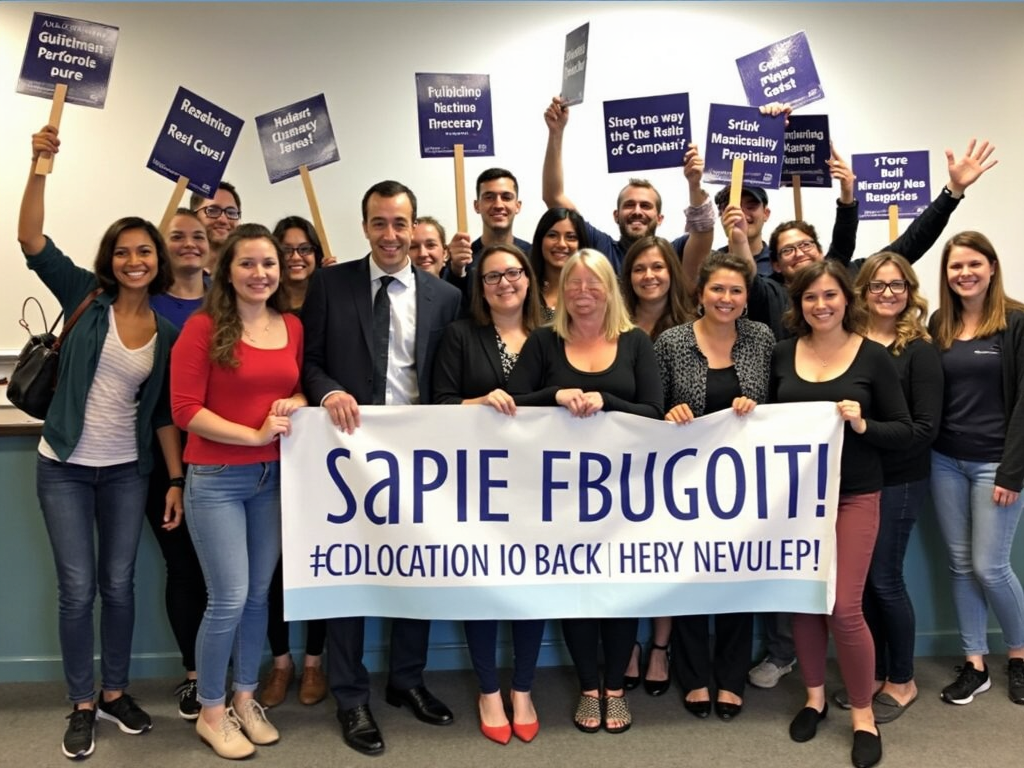
- Organizing Events: Planning rallies, workshops, and other events to raise awareness.
One of the most rewarding aspects of advocacy volunteering is seeing the impact of your work. For example, after months of campaigning, you might witness a new policy being implemented that directly benefits your community. This tangible outcome can be incredibly motivating and reinforces the importance of your role.
Skills Required for Advocacy Volunteering
To be an effective advocacy volunteer, certain skills are essential:
- Communication: Ability to articulate ideas clearly and persuasively.
- Organization: Managing multiple tasks and deadlines efficiently.
- Research: Gathering and interpreting data to support your cause.
- Networking: Building and maintaining relationships with key stakeholders.
- Adaptability: Adjusting strategies in response to changing circumstances.
These skills can be developed through experience and training. Many organizations offer workshops and resources to help volunteers hone their abilities. Additionally, personal growth often comes from stepping out of your comfort zone and taking on new challenges.

Benefits of Advocacy Volunteering
Beyond the satisfaction of making a difference, advocacy volunteering offers numerous benefits:
- Skill Development: Enhances your communication, leadership, and organizational skills.
- Networking Opportunities: Connects you with like-minded individuals and professionals.
- Personal Fulfillment: Provides a sense of purpose and accomplishment.
- Community Impact: Contributes to positive change in your community and beyond.
For instance, volunteering as an advocacy campaign organizer not only helps you develop project management skills but also allows you to build a network of contacts in the nonprofit sector. This can open doors to future opportunities and collaborations.
Getting Started as an Advocacy Volunteer
If you're interested in becoming an advocacy volunteer, here are some steps to get started:
- Identify Your Passion: Choose a cause that resonates with you.
- Research Organizations: Find nonprofits or groups that align with your interests.
- Reach Out: Contact organizations to inquire about volunteer opportunities.
- Attend Training: Participate in any available training or orientation sessions.
- Start Small: Begin with manageable tasks and gradually take on more responsibility.
Remember, every volunteer journey is unique. Don't be afraid to ask questions and seek guidance from experienced volunteers or staff members. Your enthusiasm and willingness to learn are valuable assets.

Conclusion
Advocacy volunteering is a rewarding way to contribute to causes you care about while developing valuable skills and making meaningful connections. Whether you're lobbying for policy change, organizing campaigns, or educating the public, your role as an advocacy volunteer is crucial in driving social progress. By understanding the roles and responsibilities involved, you can make a significant impact and inspire others to join the cause.
For those looking to dive deeper into advocacy volunteering, consider exploring the following resources:
- The Role of Advocacy in Volunteerism
- How to Be an Effective Advocate
- Volunteer Advocacy: A Guide