The Importance of Advocacy Volunteering in Political Campaigns
Explore the importance of advocacy volunteering in political campaigns, including its impact on elections and the benefits for volunteers.
3 min read
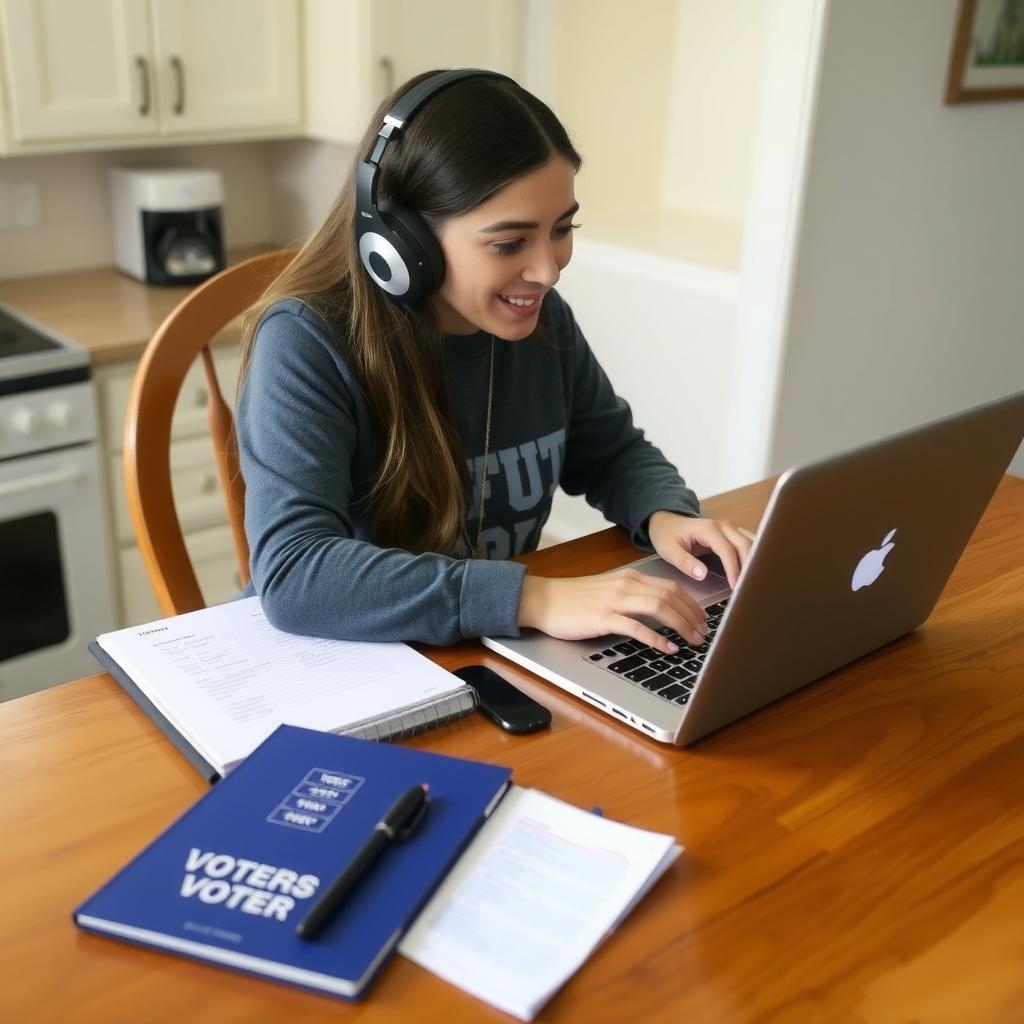
Advocacy volunteering in political campaigns is a powerful way to shape democracy, influence policy, and create meaningful change. This article explores the critical role volunteers play in campaigns, the skills they gain, and how their efforts impact both local and national elections. With insights from experts and real-world examples, we’ll show why getting involved is easier—and more impactful—than ever. Whether you’re passionate about a cause or want to learn more about the political process, advocacy volunteering offers a unique opportunity to make a difference.
Advocacy volunteering in political campaigns is more than just a way to support a cause—it’s a chance to actively participate in democracy. From canvassing to digital outreach, volunteers are essential to the success of political campaigns. The skills gained, the connections made, and the impact on communities make this form of volunteering both rewarding and transformative. If you’re ready to make a difference, start by exploring local campaigns or causes that align with your values. Your voice and efforts can help shape the future.
What Is Advocacy Volunteering in Political Campaigns?
Advocacy volunteering in political campaigns means giving your time and energy to support a candidate, party, or policy you believe in. It’s different from general volunteering because it focuses on influencing political outcomes. Volunteers might knock on doors, make phone calls, organize events, or share messages online. Their work helps campaigns connect with voters and win elections.
Campaigns depend on volunteers. Without them, many wouldn’t have the resources to reach people effectively. A Pew Research Center study found that nearly 1 in 5 Americans have volunteered for a political cause. That shows how common—and important—this work is. Volunteers bring energy and real connections that money can’t buy.
Today, technology makes advocacy easier. Social media and apps let volunteers reach voters from home. During the 2020 U.S. election, tools like Mobilize helped people run virtual phone banks, contacting millions without stepping outside. This opens doors for anyone who wants to help, no matter where they live or how much time they have.
Why Advocacy Volunteering Matters
Volunteering isn’t just good for campaigns—it’s good for you too. Campaigns get free help, fresh ideas, and passionate people. Volunteers get skills, connections, and a chance to make a difference. It’s a win-win.
For campaigns, volunteers are the engine. They talk to voters, raise money, and spread the word. Grassroots efforts, like the Obama campaign’s door-to-door push in 2008, show how volunteers can tip the scales. That campaign used thousands of people to build a movement from the ground up, proving small actions add up.
For volunteers, the rewards are huge. You learn how politics works—stuff like strategy, messaging, and organizing. I once helped a local campaign by running a voter registration drive. It taught me how to plan events and talk to strangers, skills I still use. Plus, you meet people who care about the same things you do. That’s hard to find anywhere else.

How to Get Started
Ready to jump in? Start small. Sign up for one shift—like a few hours of phone calls—or attend a campaign event. Most groups offer training, so you don’t need experience. I started with a voter outreach day. It was nerve-wracking at first, but the team made it easy.
Here’s a quick guide:
- Find a Cause: Pick a campaign or issue you’re passionate about.
- Reach Out: Check their website or call their office. Ask about volunteer roles.
- Try It Out: Commit to one task. See how it feels.
- Grow: Add more if you like it—maybe canvassing or fundraising next.
Sites like VolunteerMatch list opportunities near you. Campaigns love eager people, so don’t be shy.
What You’ll Do as a Volunteer
Tasks vary, but here are some common ones:
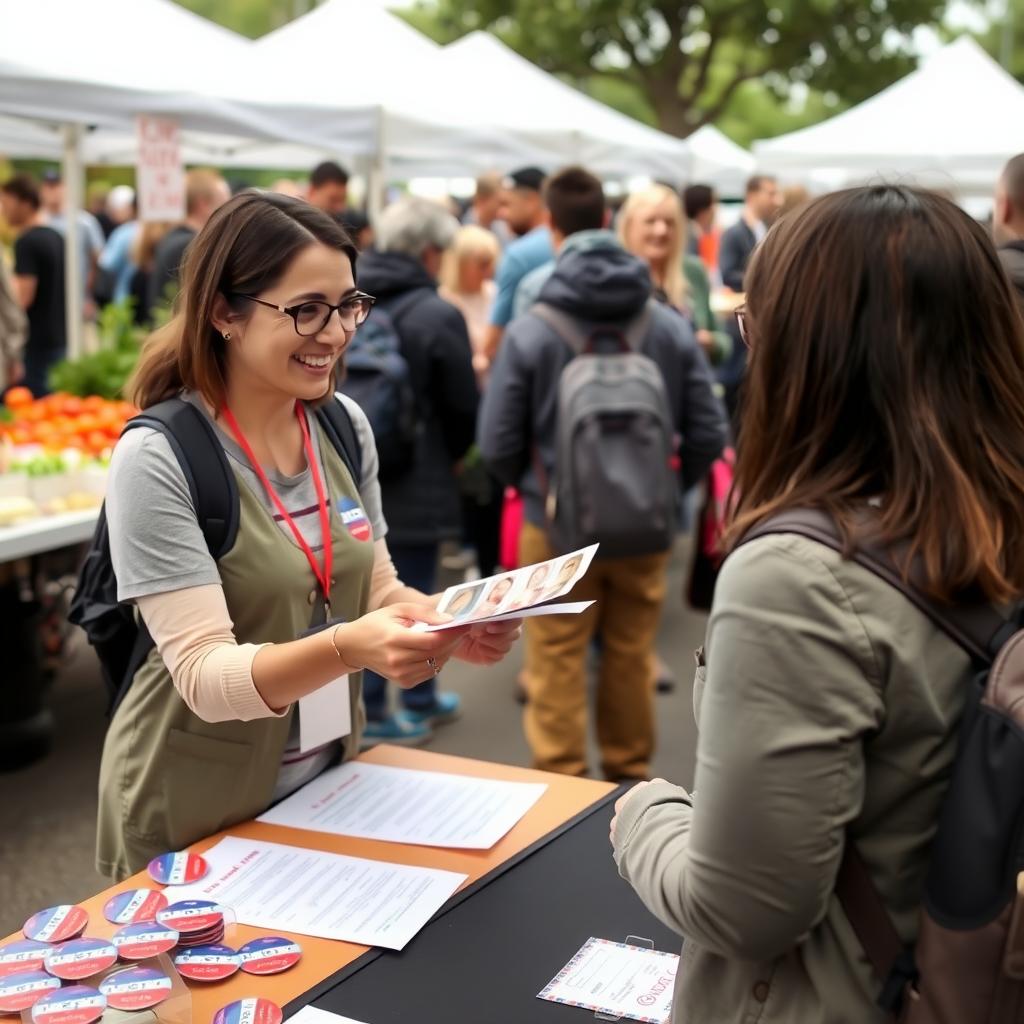
- Canvassing: Knock on doors to talk to voters. It’s direct and personal.
- Phone Banking: Call people to remind them to vote or share info. You can do this from home.
- Digital Work: Post on social media or send emails. It’s flexible and growing fast.
- Events: Plan rallies or fundraisers. This takes organizing skills.
Each role helps. Canvassing sways voters—studies show it boosts turnout by up to 7% (Yale study). Digital work reaches people who skip the door. Pick what fits your style.
Summary: Why You Should Volunteer
Advocacy volunteering in political campaigns lets you shape the world you want. You help candidates win, learn real skills, and connect with people. It’s hard work, but the payoff—knowing you mattered—is worth it. Find a campaign you like and try it. Your voice can change things.