Advocacy Volunteering in Political Campaigns: Making a Difference
Discover the power of advocacy volunteering in political campaigns. Learn how to get involved, the impact you can make, and practical tips for success in this comprehensive guide to political volunteering.
4 min read
Overview
Advocacy volunteering in political campaigns is a powerful way to shape the future. By giving your time and energy, you can support candidates and causes you believe in. This article explores the ins and outs of political volunteering, offering practical advice and personal insights to help you make a real impact.
Why Advocacy Volunteering Matters
When you volunteer for a political campaign, you’re not just helping a candidate—you’re amplifying a message. Advocacy volunteering in political campaigns involves spreading awareness, engaging voters, and driving change. It’s about connecting with people, sharing ideas, and building momentum for issues that matter to you.
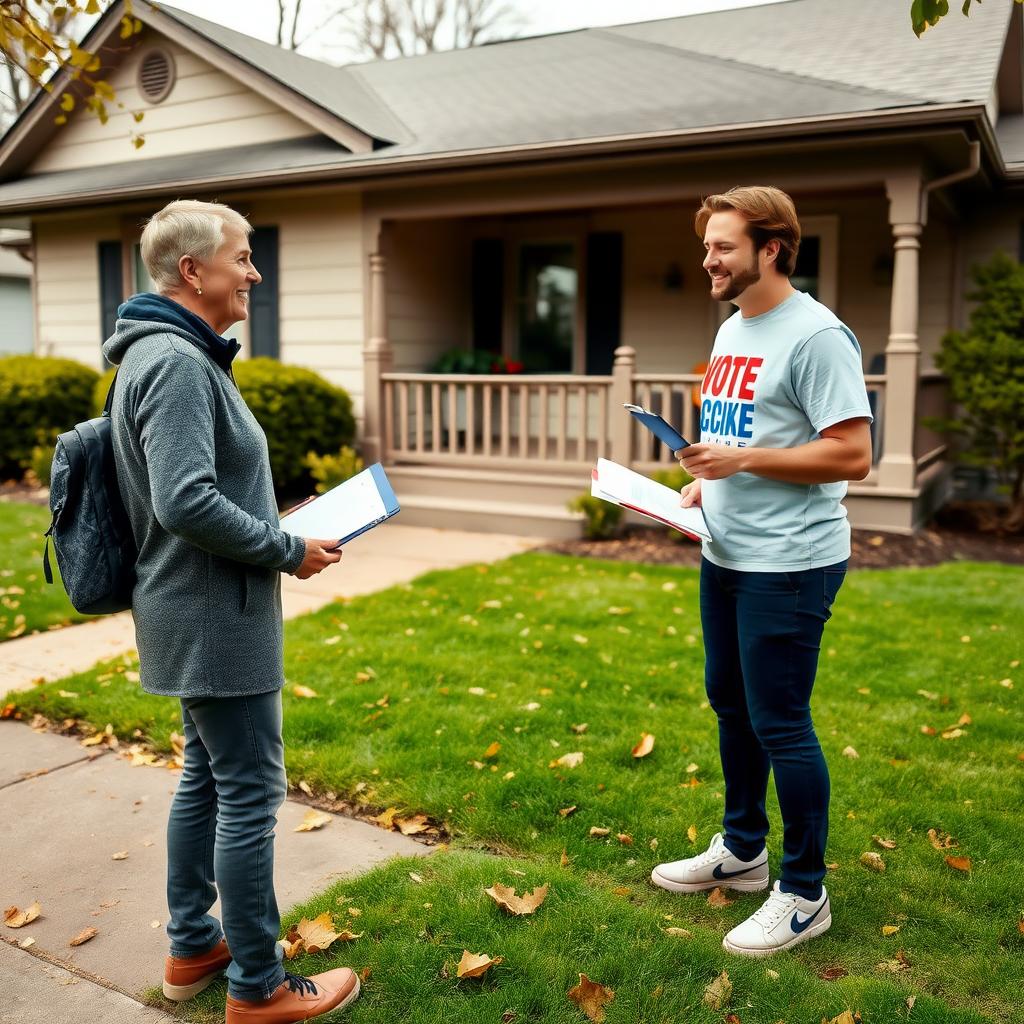
I’ve seen firsthand how a single volunteer can inspire others. During a local election, I joined a team to canvass neighborhoods. We knocked on doors, listened to voters’ concerns, and shared our candidate’s vision. By the end, we’d reached hundreds of people, and many said they voted because of our conversations. That’s the power of advocacy.
Getting Started as a Volunteer
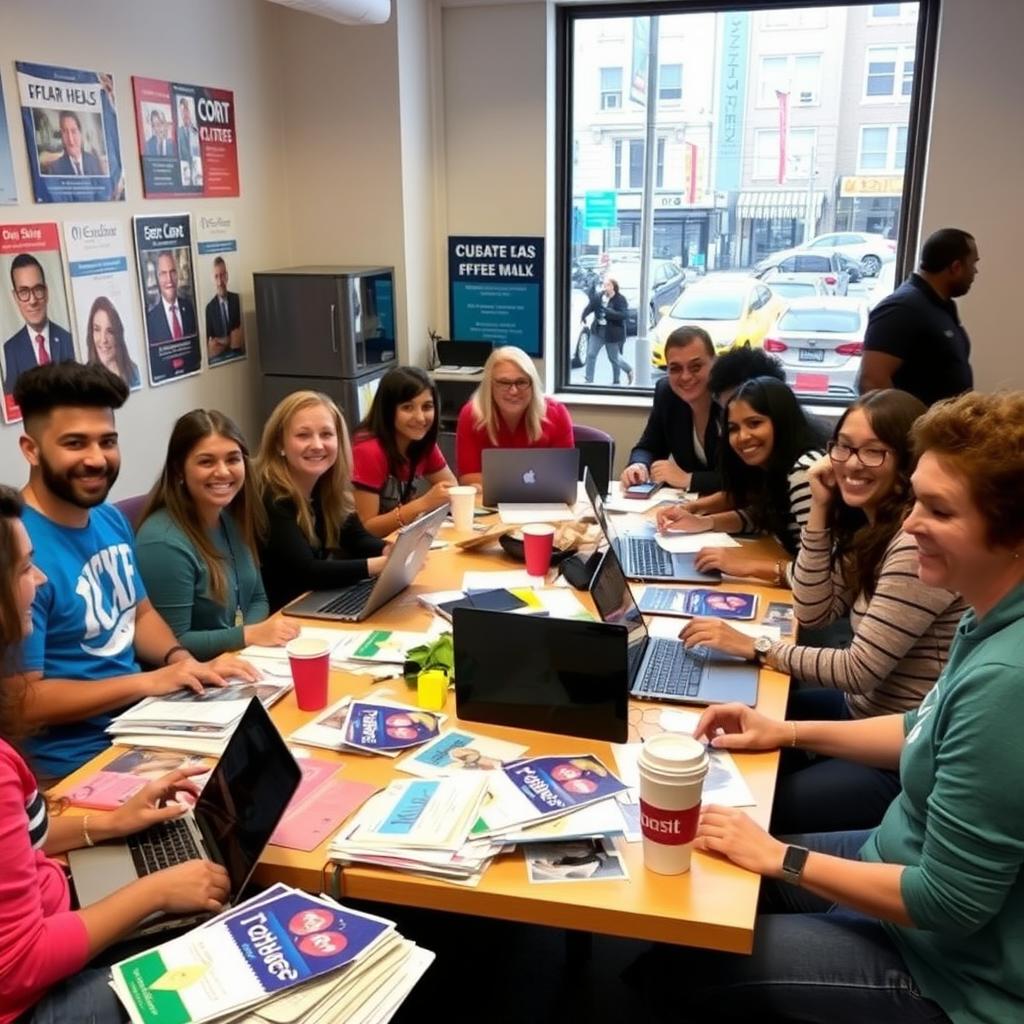
Starting as a volunteer can feel overwhelming, but it’s easier than you think. Most campaigns welcome newcomers, no experience required. Here’s how to dive in:
- Find a Campaign: Look for candidates or issues that align with your values. Check local party offices, candidate websites, or platforms like Vote.org for opportunities.
- Reach Out: Contact the campaign through their website or social media. Many have volunteer sign-up forms or local meetups.
- Attend an Event: Campaigns often host training sessions or rallies. These are great ways to learn and meet others.
- Start Small: You don’t need to commit full-time. Even a few hours a week can make a difference.
When I first volunteered, I was nervous about not knowing enough. But campaigns provide training, and the team was eager to help. Whether you’re making calls or stuffing envelopes, every task counts.
Roles in Advocacy Volunteering
Advocacy volunteering in political campaigns offers many roles to suit your skills and interests. Here’s a quick look at common tasks:
| Role | Description | Skills Needed |
|---|---|---|
| Canvassing | Knocking on doors to talk to voters | Communication, enthusiasm |
| Phone Banking | Calling voters to share campaign info | Confidence, patience |
| Data Entry | Managing voter lists and campaign data | Organization, attention to detail |
| Social Media | Creating and sharing campaign content | Creativity, tech-savviness |
| Event Planning | Organizing rallies or fundraisers | Coordination, leadership |
No matter your role, you’re contributing to the campaign’s success. I loved canvassing because it let me hear directly from voters. Their stories shaped how I approached conversations and made me feel connected to the community.

Tips for Effective Advocacy
To make the most of your volunteering, keep these tips in mind:
- Be Authentic: Share why you care about the campaign. People respond to genuine passion.
- Listen First: When talking to voters, hear their concerns before pitching your candidate.
- Stay Positive: Campaigns can be intense, but a positive attitude keeps the team motivated.
- Learn the Issues: Read up on the candidate’s platform. Websites like Ballotpedia.org can help you understand key issues.
- Take Care of Yourself: Volunteering is rewarding but demanding. Set boundaries to avoid burnout.
One of my favorite moments was talking to a voter who was undecided. Instead of pushing, I listened to her worries about healthcare. We discussed the candidate’s plan, and she felt heard. Later, she thanked me for helping her decide. Those moments make advocacy volunteering so rewarding.
The Impact of Your Work
Adv Popularity: 7/10
Advocacy volunteering in political campaigns can change elections. Volunteers boost voter turnout, shape public opinion, and build grassroots momentum. Studies from the Pew Research Center show that door-to-door canvassing can increase voter turnout by up to 3%. That’s huge in a close race.
I remember a campaign where our team’s efforts flipped a precinct that hadn’t voted for our party in years. It wasn’t just the candidate—it was the volunteers who made it happen. Your work as a volunteer can tip the scales.

Challenges and How to Overcome Them
Volunteering isn’t always easy. You might face rejection, long hours, or tough conversations. Here’s how to handle common challenges:
- Rejection: Some voters won’t engage. Don’t take it personally; move on to the next door.
- Time Management: Set a schedule to balance volunteering with life. Even a few hours a week helps.
- Difficult Questions: If you don’t know an answer, admit it and offer to follow up. Honesty builds trust.
I once faced a voter who challenged every point I made. Instead of arguing, I asked questions to understand their perspective. We didn’t agree, but the respectful exchange left a positive impression.
Why You Should Volunteer
Advocacy volunteering in political campaigns is more than just helping a candidate win. It’s about being part of something bigger. You’ll meet people who share your values, gain new skills, and make a tangible difference in your community. Plus, it’s a chance to learn about the political process up close.
For me, volunteering opened my eyes to how campaigns work. I made lifelong friends and felt proud knowing I helped shape the outcome. Whether it’s a local or national election, your voice as a volunteer matters.
Summary
Advocacy volunteering in political campaigns is a meaningful way to drive change. From canvassing to phone banking, every role counts. With a little time and passion, you can influence voters and elections. Get started today, and be part of the democratic process.