The Power of Advocacy Volunteering in Political Campaigns
Discover the impact of advocacy volunteering in political campaigns. Learn how to get involved, make a difference, and support causes you care about through actionable insights and personal experiences.
4 min read
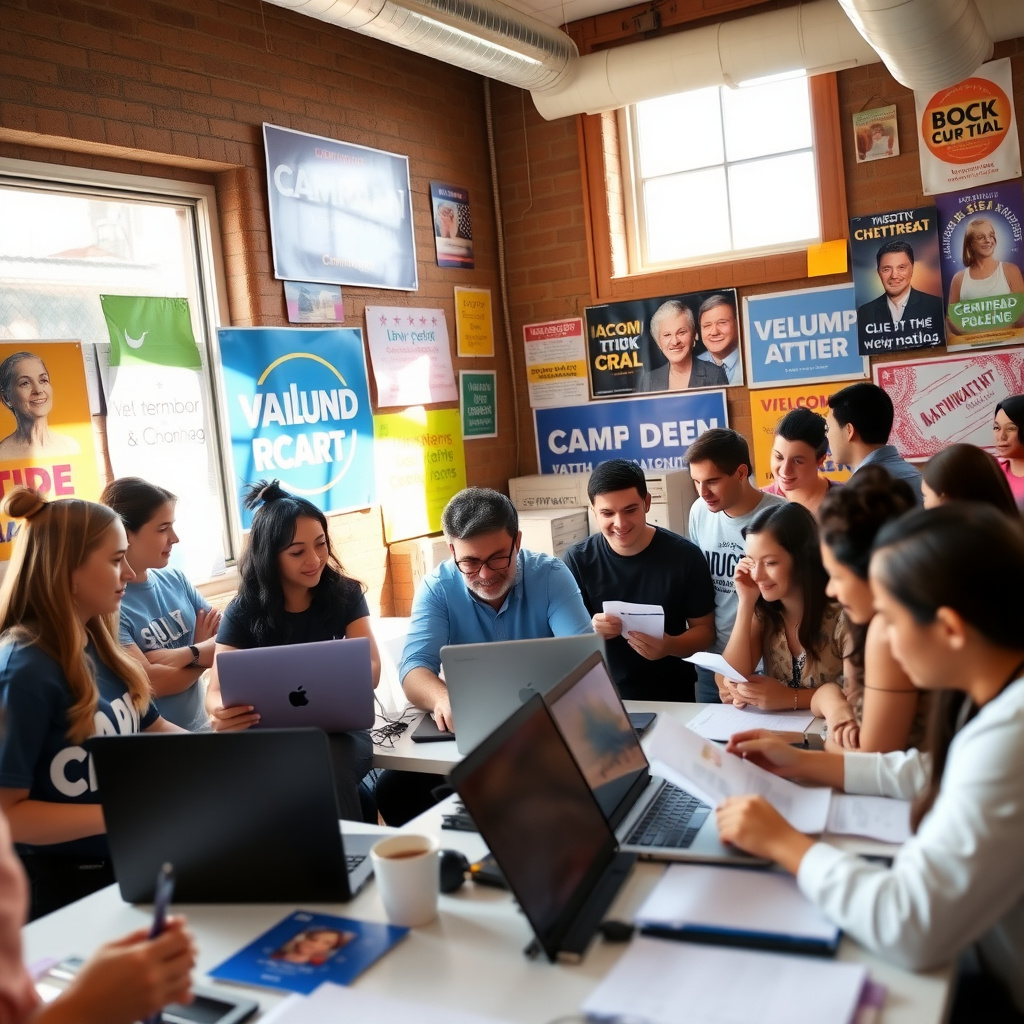
Advocacy volunteering in political campaigns is more than just knocking on doors or making phone calls—it’s about amplifying voices, shaping communities, and driving change. Whether you’re passionate about a candidate, a policy, or a cause, volunteering offers a front-row seat to democracy in action. This article dives into what advocacy volunteering entails, why it matters, and how you can get started.
Political campaigns thrive on the energy of volunteers. From local elections to national races, advocacy volunteers are the backbone of grassroots movements. They connect with voters, spread messages, and inspire action. But what does it mean to be an advocacy volunteer? At its core, it’s about standing up for what you believe in and encouraging others to do the same.

Why Advocacy Volunteering Matters
Advocacy volunteering in political campaigns isn’t just about winning elections—it’s about building a stronger democracy. Volunteers help candidates connect with voters on a personal level. They bridge the gap between policy ideas and real-world impact. When you volunteer, you’re not just supporting a campaign; you’re shaping the future of your community.
I remember my first time volunteering for a local campaign. I was nervous, unsure if I had enough knowledge or charisma to make a difference. But the campaign team welcomed me with open arms, and soon I was out in the neighborhood, talking to voters about issues like education and healthcare. Those conversations changed my perspective. I realized advocacy isn’t about being perfect—it’s about being present.
What Does an Advocacy Volunteer Do?
Advocacy volunteers wear many hats. Here’s a quick look at common roles:
| Role | Description |
|---|---|
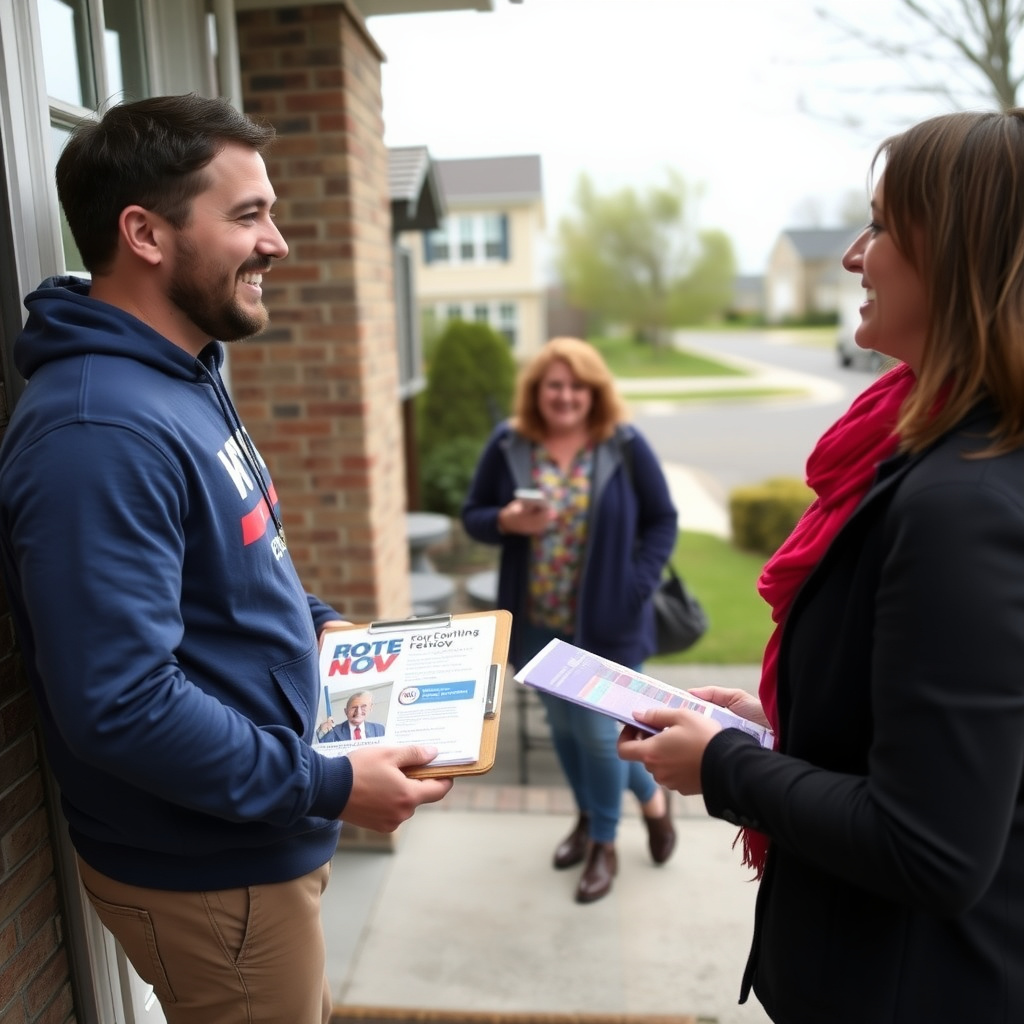
| Canvassing | Knocking on doors to talk to voters about the candidate or cause. |
| Phone Banking | Calling voters to discuss issues, answer questions, or encourage voting. |
| Event Organizing | Planning rallies, town halls, or voter registration drives. |
| Social Media Advocacy | Sharing campaign messages online to reach a broader audience. |
| Data Entry | Logging voter information to help campaigns stay organized. |
Each role plays a vital part in moving the campaign forward.
No matter the task, advocacy volunteers bring passion to the table. You don’t need prior experience—just a willingness to learn and a desire to make a difference. Campaigns often provide training to help you feel confident in your role.
Getting Started as an Advocacy Volunteer
Ready to jump in? Here’s how to start your journey in advocacy volunteering: 1. Find a Cause or Candidate: Choose a campaign that aligns with your values. Research local or national elections to find a candidate or issue you care about. 2. Contact the Campaign: Most campaigns have websites or social media pages with volunteer sign-up forms. Reach out and express your interest. 3. Attend an Orientation: Many campaigns offer training sessions to teach you the ropes. 4. Start Small: If you’re new, try tasks like data entry or phone banking before diving into canvassing. 5. Stay Committed: Consistency matters. Even a few hours a week can make a big impact.
One of the best parts of volunteering is the community you build. I’ll never forget the late-night pizza runs with my fellow volunteers after long days of canvassing. Those moments of camaraderie made the hard work feel rewarding. Plus, you’ll meet people from all walks of life who share your passion.
The Challenges of Advocacy Volunteering
Volunteering isn’t always easy. You might face rejection from voters, long hours, or tough weather while canvassing. Some days, it feels like your efforts aren’t making a dent. But every conversation, every flyer handed out, adds up. Persistence is key.
I once spoke to a voter who was skeptical about my candidate. Instead of arguing, I listened. We talked about their concerns—jobs, schools, healthcare. By the end, they didn’t just take a flyer; they promised to vote. That moment reminded me why advocacy matters: it’s about connecting, not convincing.
The Impact of Your Work
Advocacy volunteering in political campaigns has a ripple effect. Your efforts can sway undecided voters, boost turnout, and even influence policy. According to the Pew Research Center, grassroots efforts like canvassing can increase voter turnout by up to 7% in close races. That’s huge!

Beyond elections, volunteering builds skills. You’ll learn how to communicate effectively, work in a team, and stay organized under pressure. These are tools you can carry into your career or personal life. Plus, you’ll gain a deeper understanding of the political process.
Tips for Effective Advocacy
To make the most of your volunteering experience, keep these tips in mind: - Be Authentic: Speak from the heart when talking to voters. - Listen Actively: Understand voters’ concerns before responding. - Stay Positive: A smile and enthusiasm go a long way. - Know the Facts: Familiarize yourself with the candidate’s platform or the issue at hand. - Respect Boundaries: Not everyone will want to talk, and that’s okay.
Volunteering also means taking care of yourself. Campaigns can be intense, so set boundaries and take breaks when needed. A rested volunteer is a more effective one.
Why You Should Start Today
Advocacy volunteering in political campaigns is a chance to make your voice heard. It’s empowering to know your work can influence an election or spark change in your community. Whether you’re a student, a working professional, or a retiree, there’s a place for you in a campaign.
My time as a volunteer taught me that democracy isn’t just about voting—it’s about showing up. Every phone call, every door knocked, every conversation matters. You don’t need to be a political expert to make a difference. You just need to care.
Final Thoughts
Advocacy volunteering in political campaigns is a powerful way to shape the future. It’s about connecting with people, sharing ideas, and standing up for what matters. If you’re ready to make a difference, find a campaign, sign up, and dive in. Your community—and democracy—needs you.