Balancing Academics and Extracurriculars: Essential Tips for Busy Students
Discover practical strategies for balancing academics and extracurriculars while exploring volunteer opportunities. Learn time management techniques, how to integrate service learning, and tips to avoid burnout as a busy college student.
5 min read
Balancing Academics and Extracurriculars: Essential Tips for Busy Students
College life moves fast. Between classes, assignments, part-time jobs, and social plans, it feels like there is never enough time. Many students also want to join clubs, sports, or give back through volunteering. The good news? You can succeed at both academics and extracurriculars without burning out. This guide shares real, actionable tips drawn from student experiences and expert advice.
In this article, you will learn how to set priorities, manage your time, choose the right activities, and even turn volunteering into a rewarding part of your schedule. Whether you are a freshman feeling overwhelmed or a senior polishing your resume, these strategies will help you thrive.

Academics must come first. Your grades open doors to scholarships, jobs, and graduate programs. Yet extracurriculars build skills like leadership, teamwork, and time management that employers value highly. The secret lies in intentional balance rather than doing everything at once.
Many successful students treat their week like a puzzle. They block out fixed times for classes and study, then fit meaningful extracurriculars into the remaining spaces. They also learn to say no to activities that do not align with their goals.
Why Balance Matters
When you balance academics and extracurriculars well, you reduce stress and improve focus. Students who participate in meaningful activities often report higher motivation in classes because they see real-world connections. Volunteering, for instance, can deepen your understanding of subjects through hands-on experience.
Research shows that students who volunteer gain better communication skills, empathy, and even slight improvements in mental health. It also makes your resume stand out—employers often prefer candidates with volunteer experience.
On the flip side, overcommitting leads to exhaustion, lower grades, and missed deadlines. The key is quality over quantity. Choose two or three activities you truly care about instead of spreading yourself thin across ten.

Step 1: Master Time Management
Effective time management forms the foundation of balance. Start by tracking how you currently spend your time for one week. Use a simple notebook or free app to log classes, study sessions, meals, sleep, and activities.
Once you see the reality, create a weekly schedule. Block non-negotiable items first: class times, study hours (aim for two hours outside class for every hour in class), and sleep (at least seven to eight hours nightly). Then add extracurriculars.
Try these practical techniques:
- Use the Pomodoro method: Study for 25 minutes, then take a 5-minute break.
- Color-code your calendar: Blue for academics, green for extracurriculars, yellow for self-care.
- Review your schedule every Sunday evening and adjust as needed.
Many students find digital tools like Google Calendar or Notion helpful because they send reminders. Paper planners work well too if you prefer writing things down.
Step 2: Prioritize and Set Realistic Goals
Not every activity deserves equal time. List your top academic goals for the semester (maintain a 3.5 GPA, finish a major project early). Then list extracurricular goals (lead one club event, volunteer 4 hours monthly).
Ask yourself: Does this activity energize me or drain me? Does it support my long-term goals? Be honest. It is okay to drop something that no longer fits.
Set SMART goals—Specific, Measurable, Achievable, Relevant, Time-bound. Instead of "study more," try "complete math homework by Wednesday at 8 PM." Small wins build momentum.
Step 3: Choose the Right Extracurriculars
Focus on depth rather than breadth. Pick activities that match your interests and career aspirations. If you love science, join a research club or tutor younger students. If you enjoy helping others, explore volunteer opportunities for college students.
Campus clubs often need reliable members more than large numbers. Leadership roles in one or two groups look better on applications than membership in many.
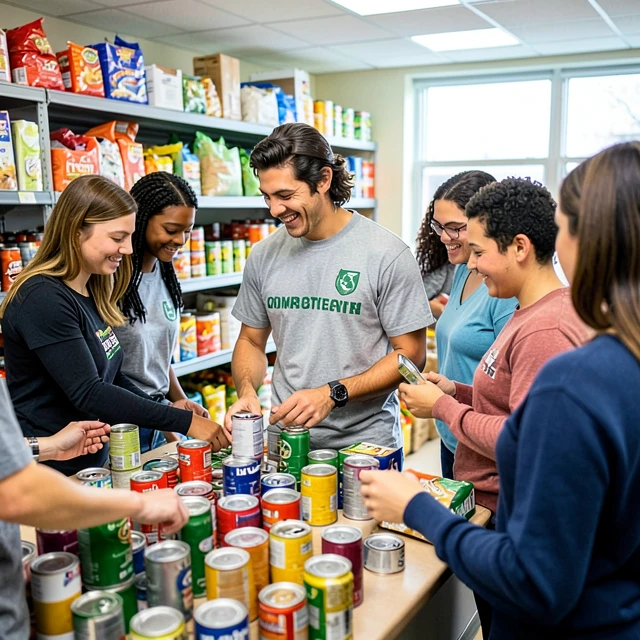
Integrating Volunteering: How to Find Volunteer Opportunities on Campus
Volunteering adds huge value when done right. It connects you to your community, builds your network, and often ties directly to your studies through service learning.
Service learning combines classroom lessons with community service. For example, a biology student might tutor kids in environmental science while learning about ecosystems. These programs help you apply knowledge in real settings and often count toward course credit.
To find opportunities:
- Visit your campus student involvement or community service office.
- Check the university website or app for a volunteer hub.
- Talk to professors—they often know of service learning projects.
- Attend involvement fairs at the start of each semester.
- Search online platforms like VolunteerMatch or your local United Way site for nearby needs.
Popular options include tutoring at local schools, helping at food banks, participating in campus cleanups, mentoring new students, or joining Habitat for Humanity builds during breaks.
How to Balance Volunteering with College Life
Many students worry volunteering will hurt their grades. The opposite can be true when you choose flexible, meaningful roles.
Tips for success:
- Start small: Commit to 2–4 hours per week at first.
- Schedule volunteering like a class—put it in your calendar and protect that time.
- Look for on-campus or virtual options to reduce travel time.
- Combine it with academics: Choose service learning courses when available.
- Reflect regularly: Keep a short journal about what you learn from volunteering. This boosts retention and helps during job interviews.
If your schedule gets tight, communicate early with your volunteer supervisor. Most understand student life and appreciate honesty.
One student shared: "I volunteered at an animal shelter two hours every Saturday. It gave me a break from textbooks and reminded me why I study veterinary science. My grades actually improved because I felt more balanced."
Avoid Burnout with Self-Care
Busy students often skip sleep, healthy meals, or exercise. Protect these basics—they fuel everything else.
Build in downtime: Schedule short walks, time with friends, or hobbies without guilt. Learn to say no politely: "Thanks for thinking of me, but I need to focus on midterms this month."
Use campus resources: Counseling centers, academic advisors, and wellness programs exist to help you succeed.
Quick Action Checklist
- Track your current time use for one week
- Create a color-coded weekly schedule
- List 2–3 meaningful extracurriculars or volunteer roles
- Identify one service learning opportunity on campus
- Build in weekly self-care blocks
- Review progress at the end of each month
Balancing academics and extracurriculars takes practice, but the payoff is worth it. You will graduate with strong grades, valuable skills, great memories, and a network of connections. Remember, perfect balance is rare—aim for progress instead.
Start small today. Pick one tip from this article and apply it this week. Over time, these habits will help you feel more in control and excited about your college journey.