Balancing Act: Managing Time and Energy in Volunteer Work
Discover practical strategies for the balancing act of managing time and energy in volunteer work. Learn how to stay energized while making a meaningful impact through service learning and community engagement.
4 min read
In today's busy world, many people want to give back through volunteer work. Yet they often feel drained or overwhelmed. This article explores the balancing act: managing time and energy in volunteer work. You'll find real-world tips to help you contribute meaningfully without burning out.
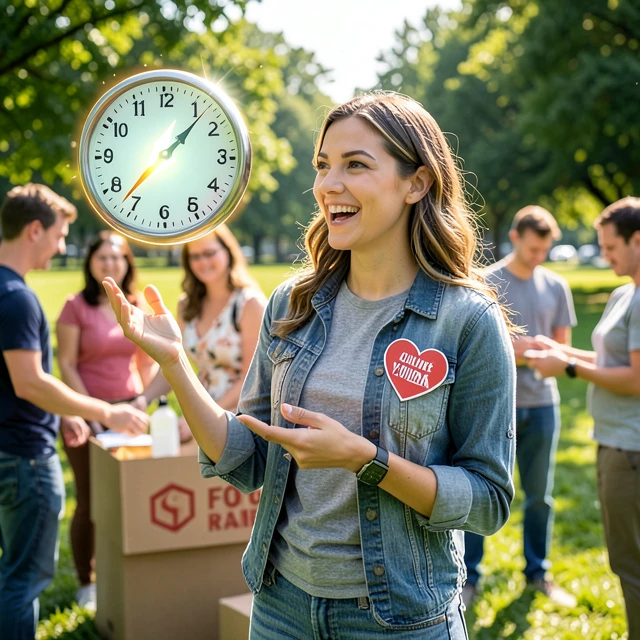
Volunteer work brings huge rewards. It builds connections, teaches new skills, and improves communities. However, without good planning, it can take too much from your personal life. Many volunteers face the same challenge: how to balance giving with self-care.
I remember my first big volunteer project. I signed up for everything and quickly felt exhausted. That experience taught me the importance of smart management. Now I help others avoid the same mistakes.
Mastering community engagement through volunteer work starts with understanding your own limits. Service learning combines hands-on help with personal growth. When done right, it energizes you instead of draining you.
Why Balance Matters in Volunteer Roles
Burnout affects many dedicated volunteers. Signs include constant tiredness, irritation, and losing interest in causes you once loved. Poor balance can also hurt your regular job, family time, and health.
Good time and energy management leads to better results. You show up fully present. Your work has more impact. Plus, you model healthy habits for others in the group.
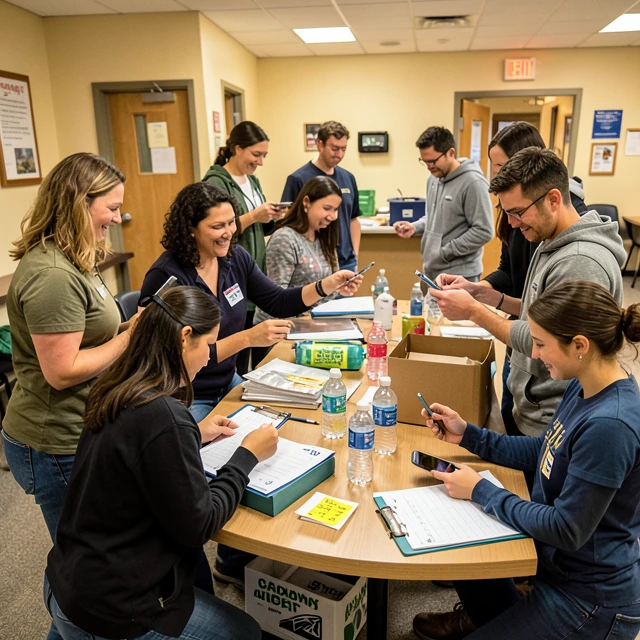
Understanding Service Learning and Volunteer Commitments
Service learning connects classroom knowledge with real-world action. Many schools and organizations offer service learning grants and funding to support these programs. These resources help cover costs like transportation or materials so volunteers can focus on impact.
Whether you're a student earning credits or a professional donating weekends, clear goals matter. Ask yourself: What do I want to achieve? How much time can I truly give each week?
Start small. Choose causes that match your passions and skills. This natural alignment saves energy and increases satisfaction.
Practical Time Management Strategies
Effective time management turns good intentions into steady action. Here are proven approaches:
- Block your calendar: Treat volunteer shifts like important meetings. Use digital tools to set reminders.
- Batch similar tasks: Group planning, emailing, and prep work into focused sessions.
- Learn to say no: Protect your schedule by politely declining extra duties when needed.
- Track your hours: Use simple apps to monitor time spent. Adjust as you learn what works.
One volunteer I know uses the 'two-day rule.' She never schedules volunteer work on back-to-back days unless it's a short activity. This simple boundary preserved her energy for months.
Mastering Your Energy Levels
Time is visible on a clock, but energy is more personal. Notice when you feel most alert. Schedule demanding volunteer tasks during those peak periods.
Physical health directly affects your capacity to serve. Regular sleep, nutritious meals, and movement keep your energy stable. Don't underestimate the power of short breaks during longer volunteer days.
Mental energy matters too. Practice mindfulness or quick breathing exercises before events. These habits help you stay present and positive with the people you serve.

Building Sustainable Volunteer Habits
Create systems that support long-term involvement:
- Set realistic expectations with organizations upfront.
- Pair up with accountability partners for motivation.
- Review your commitments every three months.
- Celebrate small wins to maintain enthusiasm.
In service learning programs, reflection plays a key role. Take time after activities to note what went well and what drained you. This insight improves future experiences.
Many find that combining volunteer work with social elements boosts energy. Turn cleanup days into friendly gatherings with shared meals afterward.
Tools and Resources That Help
Free or low-cost apps make balancing easier. Calendar apps with color-coding show volunteer time clearly. Energy-tracking journals reveal personal patterns worth knowing.
Look into service learning grants and funding if cost creates stress. Many foundations support meaningful projects that benefit both volunteers and communities.
Professional networks often share best practices. Join online groups focused on effective volunteering to exchange ideas with like-minded people.
Common Challenges and Solutions
| Challenge | Solution |
|---|---|
| Overcommitment | Set weekly hour limits and stick to them |
| Loss of motivation | Connect tasks to your deeper personal values |
| Family conflicts | Involve loved ones or choose family-friendly activities |
| Unexpected demands | Build buffer time into your schedule |
Remember that perfection isn't the goal. Progress and consistency create lasting positive change.
Personal Insights from Years of Volunteering
Early in my journey, I ignored warning signs of fatigue. A mentor taught me to view volunteer work as a marathon, not a sprint. That shift changed everything.
I now prioritize quality over quantity. One focused afternoon helping at a youth program often feels more valuable than several scattered hours.
The most rewarding projects align with both community needs and my own strengths. This harmony makes the balancing act feel natural rather than forced.
Creating Your Personal Balance Plan
Take a few minutes to map your current commitments. Identify peak energy times. Then design a simple weekly template that includes volunteer work, rest, and other priorities.
Share your plan with a trusted friend or coordinator. External support increases follow-through.
Adjust as life changes. Flexibility prevents frustration when unexpected events occur.
The balancing act: managing time and energy in volunteer work becomes easier with practice. What starts as conscious effort turns into intuitive habits.
Final Thoughts
Volunteer work enriches lives when approached thoughtfully. By managing time and energy wisely, you sustain your ability to contribute for years. This creates deeper impact and greater personal fulfillment.
Start today with one small change. Your future self—and the community you serve—will thank you.