Beginner’s Guide to Online Advocacy Volunteering
Discover how to start with digital activism for beginners, explore online advocacy volunteering options, and make a real difference from home through meaningful volunteer work.
3 min read

Overview
Online advocacy volunteering lets you support important causes from anywhere using your computer or phone. This Beginner’s Guide to Online Advocacy Volunteering shows you how to get started and create real change without leaving home. (38 words)
What Is Online Advocacy Volunteering?
Online advocacy volunteering means using digital tools to promote causes you care about. You might sign petitions, share posts on social media, write to lawmakers, or help nonprofits with research and content creation.
It's a form of digital activism where volunteers focus on raising awareness, influencing policy, and building support online. Unlike traditional volunteering, it fits into busy schedules—you can contribute in short bursts or longer sessions.
Many people start because they want to help but lack time for in-person events. I remember my first experience: sharing a petition about climate action on social media. It reached hundreds of friends, and seeing signatures grow felt empowering.

Why Choose Online Advocacy Volunteering?
You can make an impact on global issues like human rights, environment, or equality from your couch. It's flexible—no fixed hours or travel needed.
It builds skills like communication and research. Plus, online efforts often go viral, amplifying your voice far beyond local reach.
From personal experience, starting small helped me gain confidence. One campaign I joined collected thousands of emails to lawmakers, leading to real policy discussions.
How to Start with Digital Activism for Beginners
Follow these simple steps to begin:
-
Identify your passion: Think about issues that matter to you—climate change, animal rights, social justice?
-
Learn the basics: Read news from reliable sources like Amnesty International or UNICEF websites.
-
Set up profiles: Create or update accounts on platforms like X (Twitter), Instagram, or Facebook for sharing.
-
Start small: Sign a petition on Change.org or share a post from a trusted organization.
Don't worry about being perfect. Every share or signature counts. I started by following a few advocacy groups and reposting their content—it grew from there.

Popular Online Advocacy Volunteering Options
Here are some great places to find opportunities:
-
UN Volunteers (onlinevolunteering.org): Tasks like research, writing, or translation for global causes.
-
Idealist.org (formerly VolunteerMatch): Search for virtual roles in advocacy and human rights.
-
Mobilize.us: Great for political and advocacy campaigns, including petitions and events.
-
Catchafire.org: Skills-based volunteering, like graphic design or social media for nonprofits.
-
Points of Light Engage: Filter for remote opportunities across many causes.
Other options include Amnesty International's urgent actions or Translators Without Borders for language skills in advocacy.
| Platform | Best For | Example Tasks |
|---|---|---|
| UN Volunteers | Global development | Research, content creation |
| Idealist.org | Wide range of causes | Virtual event support, writing |
| Mobilize | Advocacy campaigns | Petition signing, phone banking |
| Catchafire | Skilled professionals | Marketing, web help for nonprofits |
Effective Ways to Volunteer Online
-
Social media advocacy: Share facts, stories, and calls to action. Use hashtags wisely.
-
Petitions and emails: Platforms like Change.org make it easy to start or join.
-
Content creation: Write blogs, design graphics, or edit videos for organizations.
-
Virtual events: Join or host webinars and discussions.
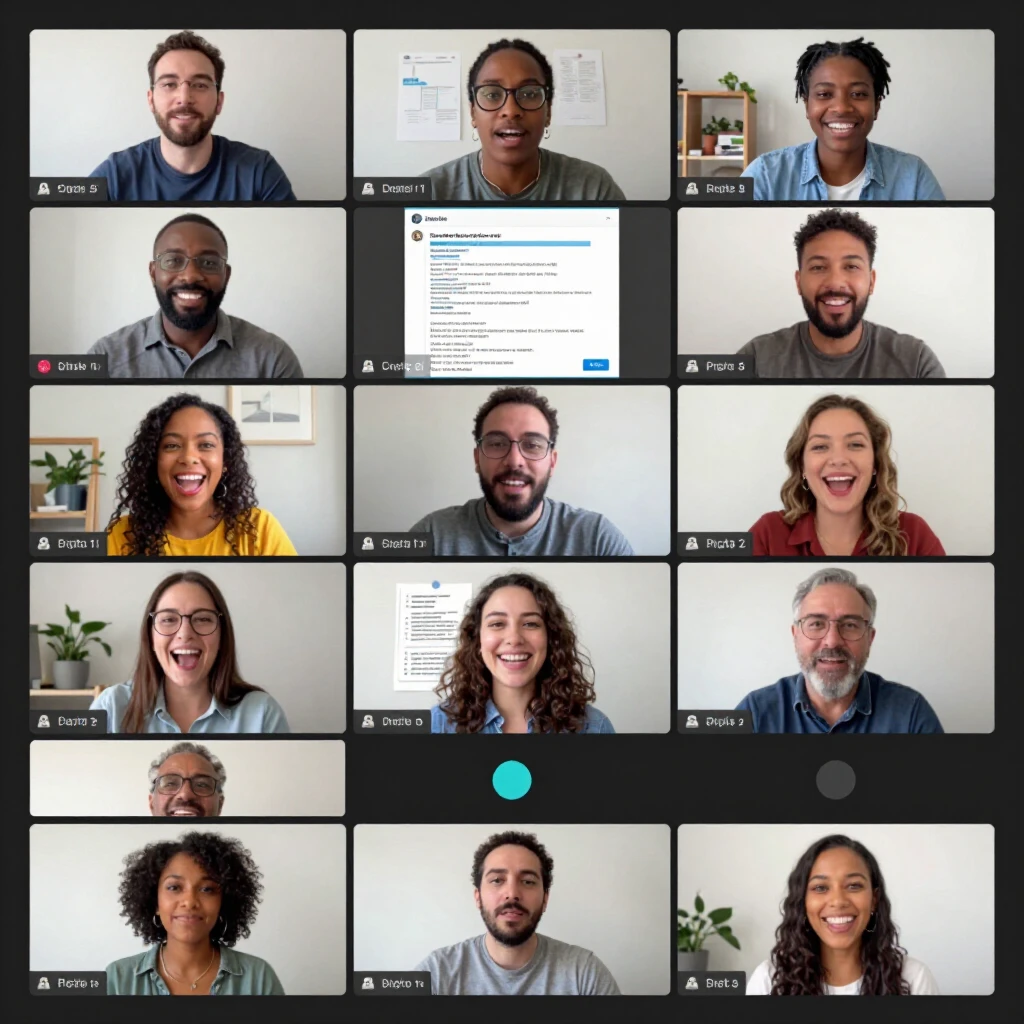
In one group I joined, we coordinated via Zoom to plan a digital campaign—it felt like a real team effort.
Tips for Success and Safety
-
Be consistent: Dedicate regular time, even 30 minutes a week.
-
Verify sources: Stick to reputable organizations to avoid misinformation.
-
Protect yourself: Use strong privacy settings and report harassment.
-
Track impact: Many platforms show results, like petitions delivered to officials.
-
Avoid burnout: Balance with self-care and celebrate small wins.
Remember, authentic sharing works best. Speak from your heart about why the cause matters to you.
Common Challenges and Solutions
New volunteers often feel overwhelmed or question if their actions matter.
Solution: Start with one cause and one platform. Join communities for support—many have Slack or Discord groups.
Another issue: Online trolls. Block and report them; focus on positive interactions.
I've faced doubt, but seeing real changes—like laws influenced by online pressure—keeps me going.
Measuring Your Impact
Look for feedback from organizations. Some share reports on how volunteer efforts led to wins, like policy changes or funds raised.
Personal growth counts too: Many volunteers gain confidence and new friends.
Final Thoughts
Online advocacy volunteering is a powerful way for beginners to dive into activism. You don't need experience—just passion and a device.
Start today: Pick one platform, sign up, and take your first action. Your voice can inspire others and drive change.
In summary, this guide covers everything from understanding advocacy to finding options and staying safe. Dive in and make a difference!