The Benefits of Civic Engagement for Young Learners
Discover how civic engagement and service learning experiences in education empower young learners with essential skills, boost academic performance, and foster a lifelong sense of responsibility and community connection.
3 min read

Overview
Civic engagement helps young learners grow into responsible citizens. Through activities like volunteering and service learning, students gain real-world skills, build empathy, and improve their academic performance. These experiences create lasting positive impacts on personal development and society.

Young people today face many challenges, from school pressures to global issues like climate change. Getting involved in civic activities gives them a sense of purpose. The benefits of civic engagement for young learners go beyond the classroom—they shape character and prepare students for adulthood.
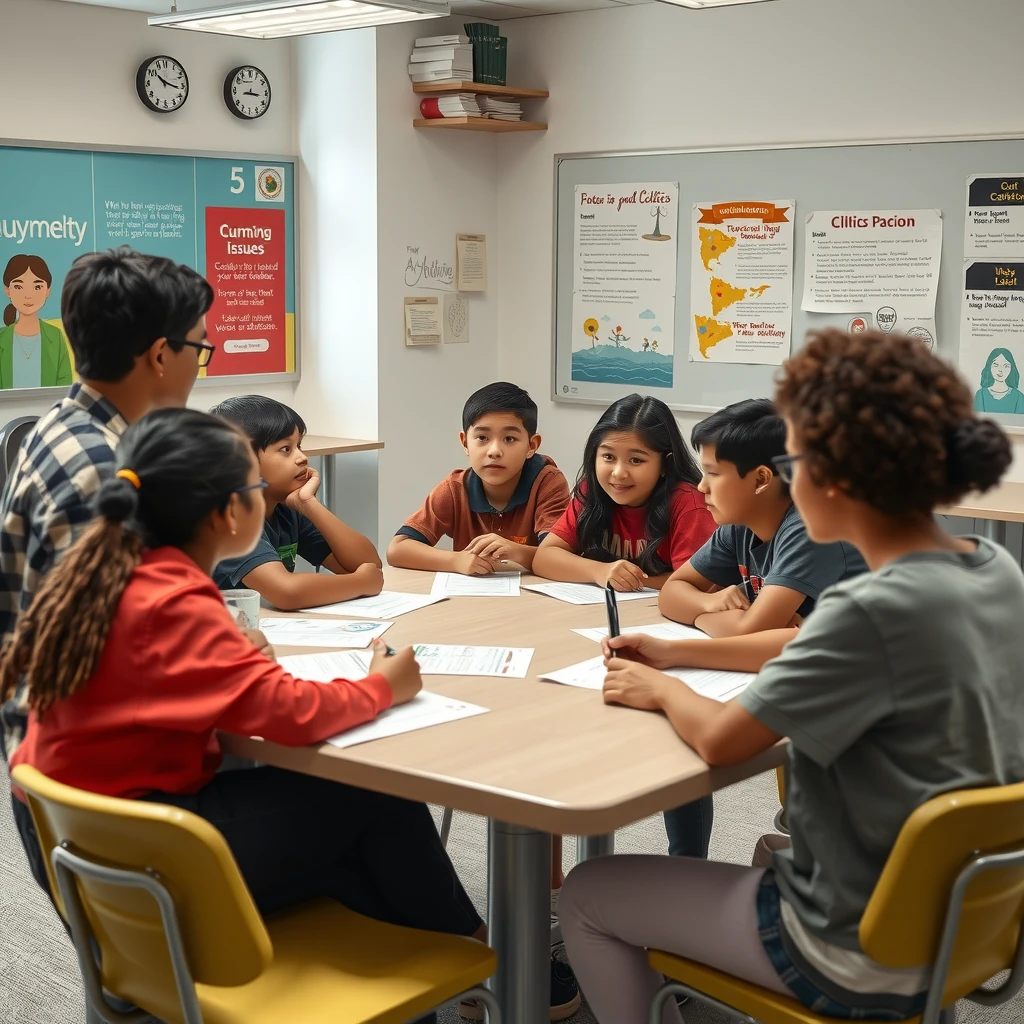
Many schools now include service learning experiences in education. Service learning combines community service with classroom lessons. Students apply what they learn to real problems, making education more meaningful.
I remember coaching a group of middle school students who organized a food drive. At first, they felt unsure. But as they planned and collected donations, they lit up with excitement. One student said, "I didn't know I could make a difference like this." Moments like that show the power of hands-on involvement.
Builds Empathy and Social Skills
When young learners volunteer, they meet people from different backgrounds. This builds empathy. They see firsthand how issues affect others.
For example, helping at a food bank teaches about hunger in their community. Students learn to communicate, work in teams, and lead projects. These social skills help in school and later in life.

Research supports this. According to Youth.gov on Service-Learning, service learning fosters social responsibility and deeper understanding of community needs.
Students who participate often report feeling more connected to others. They gain confidence in speaking up and collaborating.
Improves Academic Performance
Civic engagement makes learning stick. In service learning, students use math to budget a project or write reports about their experiences.
Studies show better grades and critical thinking skills. The National Youth Leadership Council notes that service learning boosts cognitive development and subject knowledge.
Key Academic Benefits:
- Higher engagement in class
- Better problem-solving abilities
- Improved writing and research skills
- Stronger grasp of subjects like history and science
Teachers see the difference too. When students link lessons to real actions, they stay motivated. One study from the Wisconsin Department of Public Instruction highlights how service learning develops critical thinking by connecting experiences meaningfully.
Fosters Leadership and Responsibility
Young learners who volunteer take on roles that build leadership. They plan events, solve problems, and take responsibility.
This sense of agency carries into adulthood. Many continue civic activities later in life. As the Carleton College SERC resource explains, students gain self-confidence and interpersonal skills through these opportunities.
In my experience, shy students often step up during group projects. One teen I knew led a park cleanup. She organized teams and spoke to local officials. That experience changed how she saw herself.
Supports Mental Health and Well-Being
Getting involved reduces feelings of isolation. Students feel part of something bigger.
Recent reviews link civic programs to lower anxiety and higher resilience. Helping others gives a sense of accomplishment and purpose.
How to Get Started
Parents and teachers can encourage simple steps: 1. Find local volunteer opportunities 2. Join school clubs focused on community service 3. Talk about current events at home 4. Incorporate service learning into lessons
Schools play a key role. Many offer service learning as part of the curriculum. Encourage your school to expand these programs.
Conclusion
The benefits of civic engagement for young learners are clear and powerful. From stronger academics to personal growth, these experiences shape better citizens. Start small with volunteer work or service learning—it can change a young person's life.
By investing in civic engagement now, we build a brighter future for everyone.