The Benefits of Service Learning in Education: Real Impact for Students and Communities
Discover the powerful benefits of service learning in education. Learn how integrating community service with academic learning boosts engagement, builds skills, and creates lasting positive change for students and society.
4 min read
Service learning combines classroom lessons with real-world community action. Students learn by doing while making a difference. This approach, known as service learning, helps young people connect what they study to everyday life. In this article, we explore the many benefits of service learning in education and why schools should embrace it.
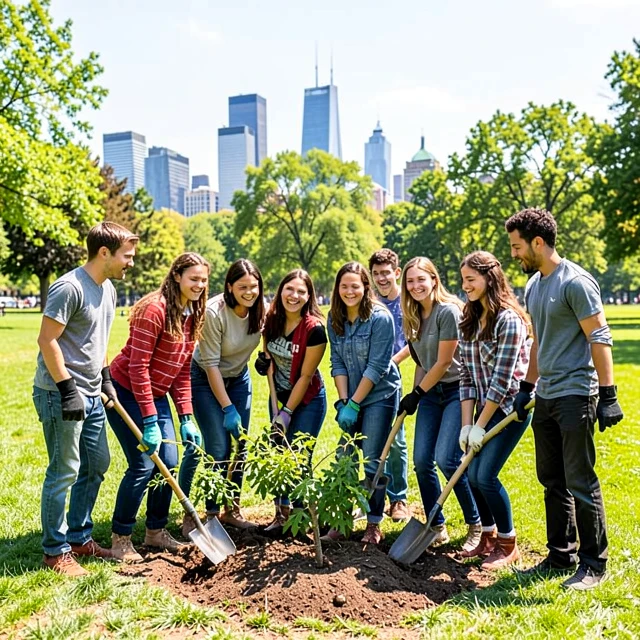
What exactly is service learning? It goes beyond simple volunteer work. Service learning experiences in education link academic goals with community needs. For example, students might study water quality in science class and then test local streams while helping clean them up. This hands-on method makes learning stick.
One major benefit is improved academic performance. When students apply concepts in real settings, they understand them better. Research shows that integrating community service with academic learning leads to higher test scores and better retention of information. Students become more motivated because they see the purpose behind their studies.
Service learning also builds important life skills. Participants develop leadership, teamwork, and problem-solving abilities. They learn to communicate with people from different backgrounds. These skills prove valuable long after graduation, whether in college or the workplace.
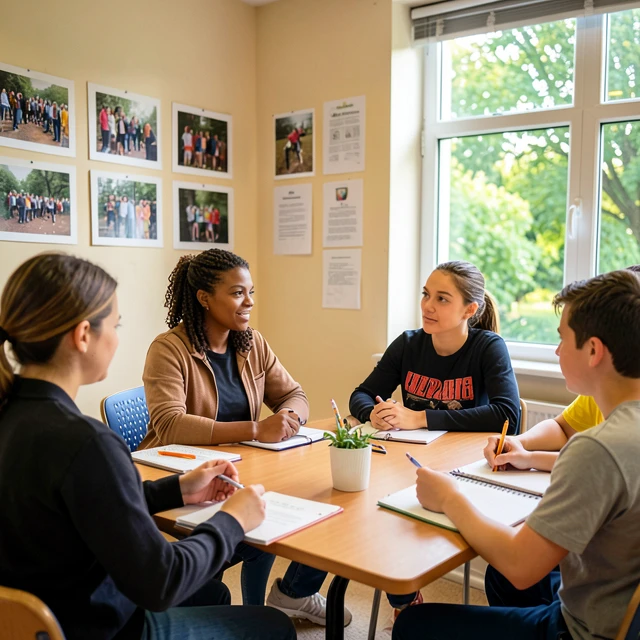
From my experience working with educators, service learning transforms shy students into confident leaders. One student I know struggled with biology until she joined a project restoring a local wetland. Measuring plants and water samples brought the textbook to life. She not only improved her grades but also discovered a passion for environmental science.
Another key advantage involves personal growth. Students gain empathy and a stronger sense of civic responsibility. They learn that their actions matter. Regular volunteer activities through structured service learning programs help young people develop a habit of giving back.
Academic Benefits at a Glance
- Deeper understanding of subject material
- Higher engagement and attendance rates
- Improved critical thinking skills
- Better writing and reflection abilities
Schools that adopt service learning often notice better classroom behavior too. Students feel more connected to their school and community. This reduces discipline issues and creates a positive learning environment for everyone.
Service learning supports social and emotional development. Young people learn to navigate real challenges. They face unexpected problems and find creative solutions. This builds resilience and adaptability – qualities essential in today's world.
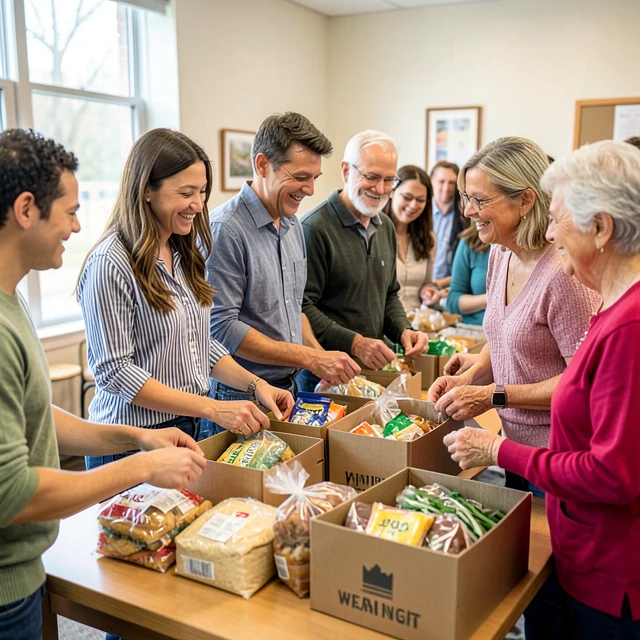
Communities benefit greatly as well. Local organizations receive valuable help from enthusiastic students. Whether it's tutoring younger kids, cleaning up neighborhoods, or supporting food drives, the impact adds up. Service learning creates a cycle of positive change.
Parents often report that their children become more grateful and less self-centered after participating in service projects. One mother shared how her son, after helping at a homeless shelter, started appreciating their family meals more and even suggested ways to reduce food waste at home.
How to Integrate Service Learning Successfully
- Align projects with curriculum goals
- Partner with trusted community organizations
- Include thorough preparation and reflection
- Provide meaningful roles for all students
- Assess both academic and personal growth
Effective service learning requires planning. Teachers must connect the volunteer work directly to what students learn in class. Reflection activities, such as journaling or group discussions, help students process their experiences and extract deeper lessons.
Challenges exist, of course. Coordinating schedules and ensuring safety can take extra effort. Some schools worry about limited resources. However, the long-term benefits far outweigh these hurdles. Starting small with one class or grade level often leads to broader adoption.
Colleges and universities also embrace service learning. Many require or encourage it for graduation. Students who participate often choose careers in public service, education, or nonprofit work. The experiences shape their values and future goals.
Data from various studies supports these observations. Students involved in quality service learning programs show increased civic engagement years later. They vote more regularly and volunteer throughout adulthood. The effects last a lifetime.
Teachers benefit too. Many find renewed passion for their work when they see students excited about learning. Service projects create fresh teaching opportunities outside traditional methods.
For younger students, age-appropriate activities work best. Elementary children might read to seniors at a nursing home while practicing literacy skills. Middle schoolers could design and maintain community gardens, applying math and science concepts.
High school students tackle more complex issues like environmental conservation or social justice projects. These experiences prepare them for independent life while contributing meaningfully to society.
The benefits of service learning in education extend to mental health. Helping others reduces stress and builds self-esteem. Students report feeling happier and more purposeful when they engage in volunteer work connected to their studies.
In conclusion, service learning offers a powerful way to educate the whole person. By integrating community service with academic learning, schools create richer educational experiences. Students gain knowledge, skills, and values that prepare them to thrive while making their communities stronger.
If you want to bring these benefits to your school or family, start by exploring local needs and curriculum connections. Small steps can lead to big changes. The investment in service learning pays dividends for generations.