The Benefits of Teamwork in Community Projects: Building Skills and Bonds
Discover how teamwork in community projects fosters leadership, strengthens communities, and empowers teens through advocacy and collaboration. Learn the lasting benefits of collective action.
4 min read
Overview
Teamwork in community projects brings people together to achieve shared goals, creating stronger neighborhoods and personal growth. From organizing cleanups to advocating for change, collaboration builds skills, confidence, and connection. This article explores how teamwork transforms communities and individuals, with a focus on youth involvement and leadership.
Why Teamwork Matters in Community Projects
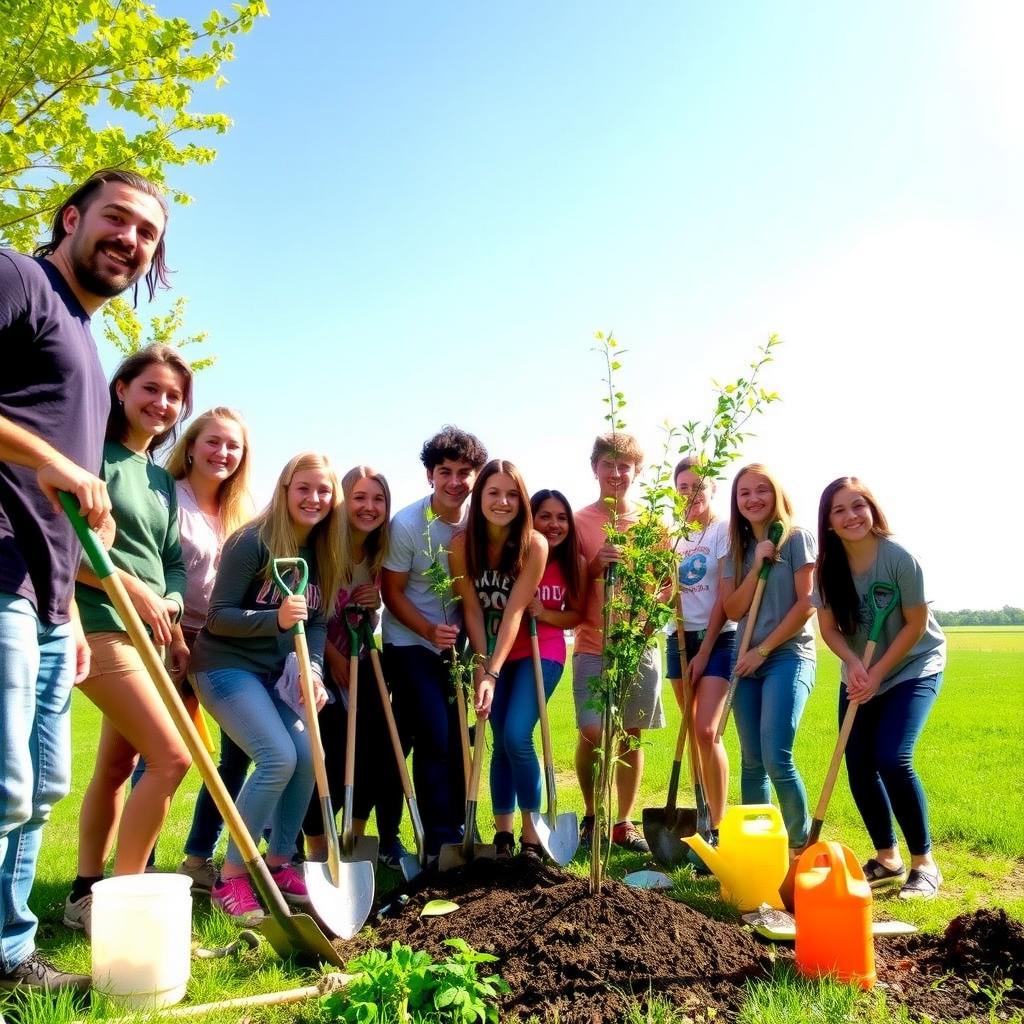
Community projects thrive on teamwork. Whether it’s planting trees, hosting fundraisers, or tackling local issues, working together amplifies impact. The Benefits of Teamwork in Community Projects extend beyond the immediate results—like a cleaner park or a new community center. They include personal growth, stronger relationships, and a sense of belonging.
When people collaborate, they pool diverse skills and perspectives. A group might include someone great at organizing, another skilled at public speaking, and someone else with creative ideas. Together, they create something bigger than any one person could achieve alone. This synergy is what makes community projects successful.

Building Leadership Skills Through Community Involvement
Teamwork in community projects is a powerful way to develop leadership. When individuals take on roles like coordinating volunteers or presenting ideas to local officials, they learn to communicate, delegate, and solve problems. These experiences are especially valuable for young people.
For example, a teen leading a recycling initiative might start shy but gain confidence by rallying peers. They learn to listen, motivate others, and adapt when plans change—like when rain cancels an outdoor event. According to a study from Harvard University’s Center for Public Leadership, hands-on community involvement helps young people build decision-making skills and emotional intelligence, key traits of effective leaders.
Leadership isn’t just about being in charge. It’s about inspiring others and taking responsibility. Community projects give everyone a chance to shine, whether they’re leading a meeting or supporting behind the scenes.
The Value of Community Involvement for Teens
Teens benefit immensely from community projects. The Value of Community Involvement for Teens lies in the skills and confidence they gain while contributing to something meaningful. Projects like organizing food drives or creating youth advocacy volunteer projects teach teens they can make a difference.
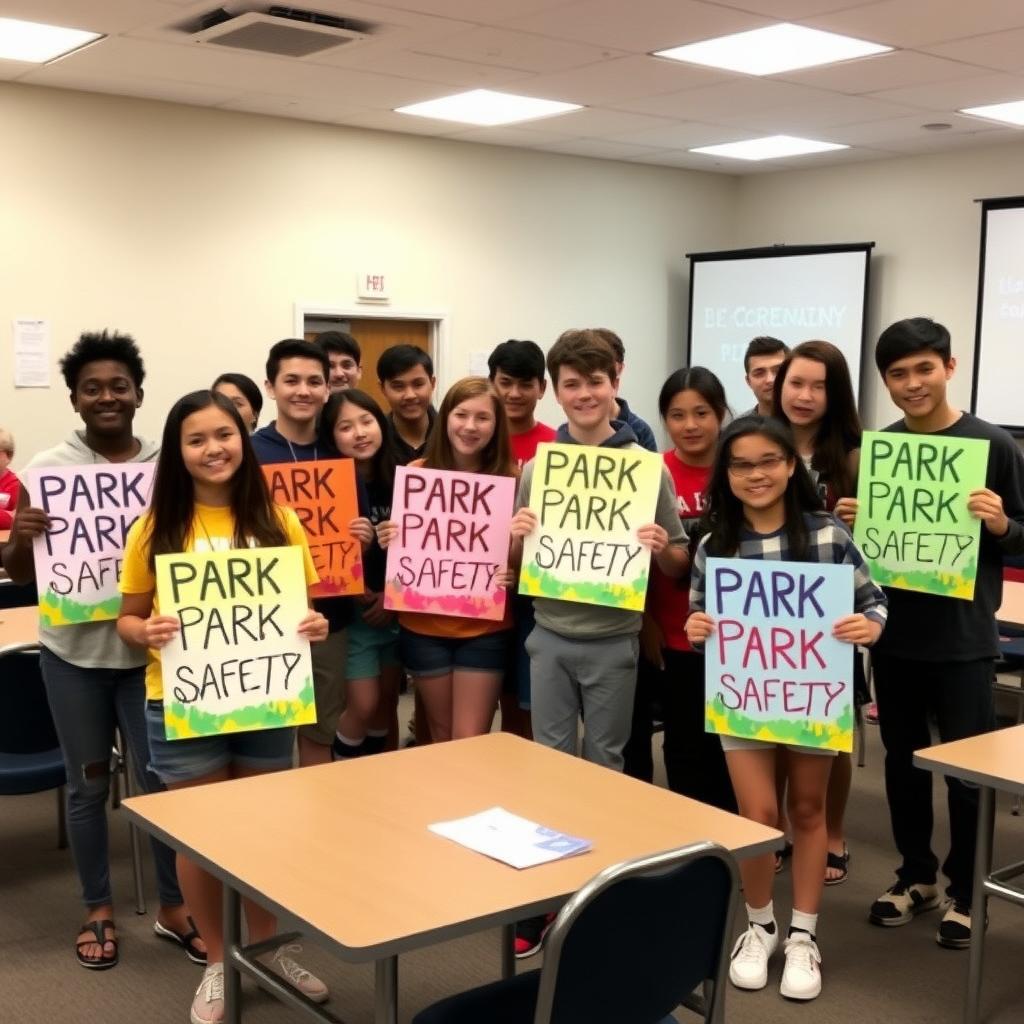
Take Sarah, a 16-year-old who joined a local campaign to improve park safety. She started as a volunteer handing out flyers but soon took on a role speaking at community meetings. Through this, she learned public speaking and how to advocate for change. Her experience shows how teamwork in community projects empowers teens to find their voice.
Beyond skills, teens build connections. Working with peers and adults helps them feel part of something bigger. A report from the Corporation for National and Community Service found that teens who volunteer are more likely to stay engaged in their communities as adults, creating a lifelong habit of giving back.
How Teamwork Fosters Advocacy
Teamwork in community projects often leads to advocacy—speaking up for what a community needs. Whether it’s pushing for better public spaces or addressing social issues, advocacy requires collaboration. Youth advocacy volunteer projects are especially powerful, as they give teens a platform to address issues they care about, like climate change or mental health awareness.
For instance, a group of teens in a small town worked together to advocate for a new skate park. They divided tasks: some researched costs, others gathered signatures, and a few presented to the city council. Their teamwork turned an idea into reality. Advocacy like this teaches planning, persistence, and the power of collective voices.
Collaboration in advocacy also builds empathy. When people work together, they share stories and understand different perspectives. This strengthens community bonds and creates lasting change.
The Social and Emotional Benefits of Teamwork
Teamwork in community projects isn’t just about the end goal—it’s about the journey. Working together builds trust and camaraderie. Volunteers who start as strangers often become friends, united by a shared purpose. These connections can reduce feelings of isolation and boost mental health.
A study from the University of Michigan found that group-based community activities increase participants’ sense of belonging and reduce stress. For teens, who often face social pressures, this sense of community is vital. They learn they’re not alone in their struggles and gain confidence through shared achievements.
Teamwork also teaches conflict resolution. Disagreements are natural when people collaborate, but working through them builds patience and communication skills. These lessons carry into school, work, and personal life.
Practical Tips for Successful Teamwork
To make the most of teamwork in community projects, consider these tips:
- Define Clear Roles: Assign tasks based on strengths, like design for creatives or logistics for organizers.
- Communicate Openly: Regular check-ins keep everyone aligned and prevent misunderstandings.
- Celebrate Small Wins: Acknowledge milestones, like finishing a cleanup, to keep morale high.
- Include Everyone: Ensure all voices, especially teens’, are heard to foster inclusion.
- Learn from Setbacks: If a plan fails, reflect as a team and adjust.
These strategies help teams stay focused and motivated, ensuring projects succeed and participants grow.
Real-World Impact of Teamwork
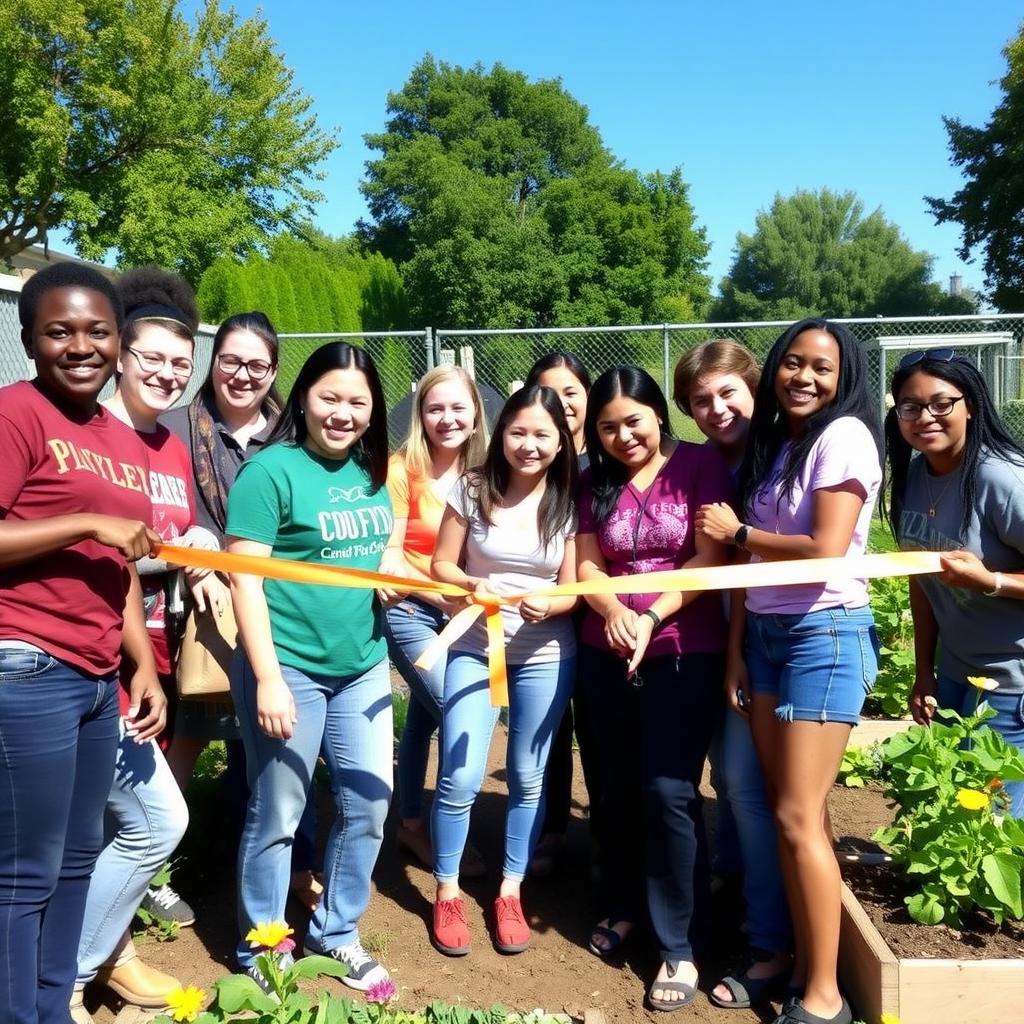
The impact of teamwork in community projects is measurable. For example, a community garden project in Chicago brought together over 100 volunteers, including 40 teens, to transform a vacant lot. The result? A thriving garden that now provides fresh produce to local families. Beyond the garden, volunteers reported feeling more connected to their neighborhood and empowered to take on new challenges.
Another example is a youth-led initiative in Seattle that advocated for mental health resources in schools. By working together, teens secured funding for counseling programs, showing how teamwork and advocacy can create systemic change. These stories highlight how The Benefits of Teamwork in Community Projects ripple outward, improving lives and communities.
Summary
Teamwork in community projects does more than achieve goals—it builds leadership, strengthens bonds, and empowers teens through advocacy. From developing skills to fostering belonging, the benefits are profound. By working together, communities and individuals grow stronger, creating lasting change. Get involved, collaborate, and see the difference teamwork can make.