The Benefits of Service Learning: How Volunteering Can Enhance Your Education
Discover how service learning combines volunteering with academic growth to boost skills, deepen understanding, and build lifelong civic responsibility. Explore practical ways to get involved and real benefits backed by research.
3 min read
Overview
Service learning blends classroom lessons with real-world volunteering. It helps students apply what they learn while making a positive impact in their communities. This approach not only enhances education but also builds essential life skills and a sense of purpose.
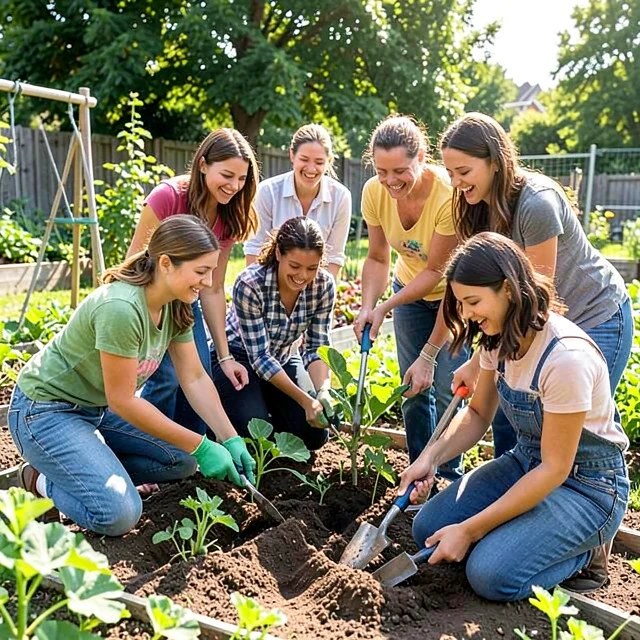
Have you ever wondered why some classroom lessons stick with you forever while others fade away? Often, it's because you connected them to real life. That's the magic of service learning. It takes volunteering beyond just helping others and ties it directly to your studies.
Service learning is a teaching method where you volunteer as part of your coursework. You reflect on your experiences to deepen your understanding. Unlike regular volunteering, it has clear learning goals linked to what you're studying in class.
Research shows service learning offers real benefits. Students who participate often see improvements in academic performance, personal growth, and civic engagement. For example, a study from the Higher Education Research Institute at UCLA found that service learning positively affects students' academic development, sense of civic responsibility, and life skills.
Academic Benefits
One major advantage is better understanding of course material. When you apply concepts in real situations, they make more sense.
- You retain information longer because you're using it actively.
- Problem-solving skills sharpen as you tackle real community issues.
- Grades can improve due to deeper engagement with the subject.
A meta-analysis of service-learning impacts revealed positive effects on students' understanding of social issues and academic outcomes.
In my own experience mentoring students, I've seen this firsthand. A high school group studying environmental science volunteered at a local park cleanup. They didn't just learn about pollution—they saw its effects and contributed to solutions. Their test scores on related topics jumped, and they reported feeling more confident in class.

Personal and Social Growth
Service learning builds empathy and communication skills. You interact with people from different backgrounds, which broadens your worldview.
Key gains include: - Increased self-confidence from making a tangible difference. - Better teamwork and leadership abilities. - Greater awareness of social issues like poverty or inequality.
According to Youth.gov, high-quality service-learning programs promote social-emotional skills and civic knowledge.
Volunteering through service learning also reduces stereotypes. You learn to appreciate diverse perspectives by working side-by-side with community members. Many students say it changes how they see the world and inspires ongoing involvement.
Career Advantages
Employers value real-world experience. Service learning adds practical skills to your resume.
- Develops leadership and problem-solving.
- Shows initiative and commitment to community.
- Helps clarify career interests through hands-on work.
Students often discover passions they didn't know they had. One former participant I know volunteered at a food bank while studying nutrition. It led her to a career in public health.

Creative Ways to Volunteer Locally
Ready to try service learning? Look for service learning opportunities in local communities. Many schools and colleges offer programs.
Here are some ideas: - Tutor children at a nearby school or library. - Help at animal shelters or environmental cleanups. - Assist at food banks or senior centers. - Join habitat restoration projects or community gardens.
Start small. Check with your teachers or local nonprofits for structured options that tie into your classes.
Platforms like VolunteerMatch or your school's service center can connect you to opportunities. Combine volunteering with reflection—journal about what you learned and how it relates to your studies.
Service learning stands out because it benefits everyone. Communities get help with real needs, and students gain enriched education. It's a win-win that fosters responsible citizens.
Getting Started with Service Learning
Talk to your teachers about integrating volunteer work into classes. Many high schools and colleges have dedicated programs. Reflect regularly on your experiences to maximize learning.
In summary, the benefits of service learning are clear: stronger academics, personal growth, career readiness, and community impact. Volunteering this way can transform your education and inspire a lifetime of giving back.