Best Digital Tools for Nonprofits and Activists in 2026
Discover the best digital tools for nonprofits and activists to boost advocacy, fundraising, and impact. Learn practical strategies for social media advocacy, online volunteering, and environmental campaigns that deliver real results.
5 min read
Nonprofits and activists face tight budgets and big missions. The right digital tools help you reach more people, organize better, and create lasting change without burning out your team. In this guide, we explore the best digital tools for nonprofits and activists that actually work in 2026.
Whether you run a small community group or a national campaign, these tools level the playing field. They save time, stretch limited dollars, and help you focus on what matters most: your cause. From email marketing to advocacy platforms, we cover options that fit real-world needs.

I have worked with several small nonprofits over the years. One group I supported started with basic email lists and grew into a powerful online community using free and low-cost tools. Their story shows that you do not need fancy budgets to make a difference. You just need smart choices.
Why Digital Tools Matter for Nonprofits and Activists
Digital tools help you connect with supporters anywhere in the world. They let you track donations, manage volunteers, and run campaigns that once took weeks of manual work. Best of all, many offer nonprofit discounts or free tiers.
According to recent trends, organizations using integrated tech see higher engagement and better results. You can personalize messages, analyze what works, and adjust quickly. This agility makes your advocacy more effective.
Essential Categories of Digital Tools
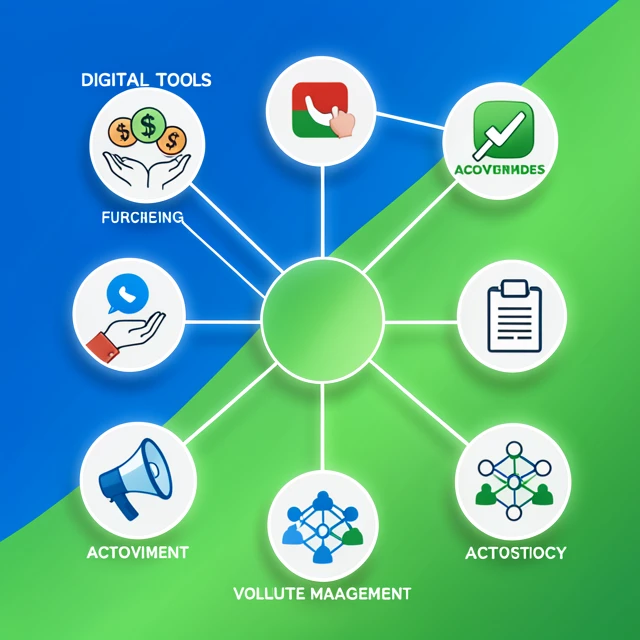
Here are the main areas where tools make the biggest impact:
- Fundraising and Donor Management: Platforms that handle donations, recurring gifts, and donor relationships.
- Communication and Marketing: Email, social media, and content creation tools.
- Advocacy and Mobilization: Petitions, legislator contact tools, and campaign builders.
- Volunteer and Event Management: Scheduling, coordination, and online participation options.
- Project and Team Collaboration: Keeping your internal team organized.
- Analytics and AI Helpers: Data insights and automation to work smarter.
Many tools overlap categories. For example, some CRMs include built-in advocacy features.
Top Tools for Fundraising and Donor Management
Strong donor tools form the backbone of sustainable work. Look for options with easy donation forms, receipt automation, and reporting.
Popular choices include:
- Givebutter or RallyUp: Great for peer-to-peer fundraising and events. They offer modern interfaces and nonprofit-friendly fees.
- Bloomerang or HubSpot CRM (nonprofit edition): Excellent for tracking donor relationships and communications.
- Funraise: Focuses on straightforward online giving with strong support.
Start small. Test one tool with a single campaign before expanding. Many have free trials.
How to Use Social Media for Advocacy
Social media remains one of the most powerful ways to spread your message and mobilize people. How to use social media for advocacy starts with clear goals and consistent posting.
Best practices I recommend:
- Choose 1-2 platforms where your supporters already spend time.
- Share short, emotional stories paired with clear calls to action.
- Use hashtags and visuals to increase reach.
- Engage in conversations, not just broadcasts.
- Track what gets shares and comments, then do more of that.
Tools like Buffer or built-in schedulers help you post consistently without daily hassle. Canva makes professional graphics easy even if you are not a designer.
Remember to follow legal guidelines for nonprofits when posting about legislation. Keep records of your efforts.
Best Tools for Digital Advocacy in 2026
Best Tools for Digital Advocacy in 2023 evolved into more sophisticated platforms by 2026. Today’s options include AI assistance for targeting and message personalization.
Standout advocacy tools:
- Muster or VoterVoice: Strong for grassroots campaigns and contacting legislators.
- EveryAction (Bonterra): Combines fundraising with advocacy actions.
- CiviClick or similar platforms: Help build supporter lists and run targeted campaigns.
These tools let supporters send pre-written messages to representatives with one click. They also provide analytics so you see which actions drive real influence.
For environmental groups, pair these with mapping or data visualization tools to show impact clearly.
Impactful Environmental Advocacy You Can Start Online
Impactful Environmental Advocacy You Can Start Online is easier than ever. You can launch petitions, share satellite imagery of deforestation, or organize virtual clean-up challenges from your laptop.
Practical starting ideas:
- Create shareable infographics about local issues using Canva.
- Run online petition campaigns on platforms like Change.org or your own site.
- Host virtual webinars or live streams to educate and recruit supporters.
- Use free citizen science apps to collect community data.
One activist I know grew a local river protection effort into a regional movement by posting weekly progress photos and simple action steps on Instagram. Supporters felt part of something bigger.
Online Advocacy Volunteering Options
Not everyone can attend in-person events. Online advocacy volunteering options open doors for busy professionals, parents, and remote supporters.
Common opportunities include:
- Writing or editing advocacy emails and social posts.
- Making phone calls to supporters or legislators from home.
- Translating materials for broader reach.
- Monitoring legislation and sending alerts.
- Graphic design or video editing for campaigns.
- Staffing online hotlines or chat support.
Platforms like Points of Light, Idealist, or Taproot Plus connect volunteers with skills-based remote roles. Many organizations also post needs directly on their websites.
These options let people contribute meaningfully without travel. They build stronger, more diverse movements.

Collaboration and Productivity Tools
Internal organization matters too. Tools like Trello, Slack, or Microsoft Teams keep teams aligned. For design, Canva and its AI features speed up content creation.
Automation tools such as Zapier connect different apps so repetitive tasks happen automatically. This frees up time for high-impact work.
Getting Started: Actionable Tips
- Assess your current needs and budget honestly.
- Pick one or two tools to test this month.
- Train your team or volunteers on the basics.
- Measure results after 30-60 days.
- Scale what works and adjust what does not.
Consider nonprofit pricing or free versions first. Many companies offer special rates for mission-driven groups.
Build relationships with other organizations. They often share what tools perform best in their sector.
Common Challenges and Solutions
Learning curves can feel steep at first. Start with user-friendly options and use built-in tutorials or YouTube guides.
Data privacy matters. Choose tools with strong security, especially when handling donor information.
Budget constraints are real. Focus on free or low-cost tools that integrate well together.
Summary
The best digital tools for nonprofits and activists empower you to do more with less. They support everything from daily operations to large-scale campaigns. Combine smart tools with authentic storytelling and consistent action, and you will see real progress.
Start where you are. Small steps with the right technology lead to big impact over time. Your mission deserves the best support available today.