Best Practices in Advocacy Volunteering: Make Your Voice Count
Discover practical best practices in advocacy volunteering to create real change. Learn actionable tips, personal insights, and strategies to become an effective volunteer advocate in your community.
2 min read
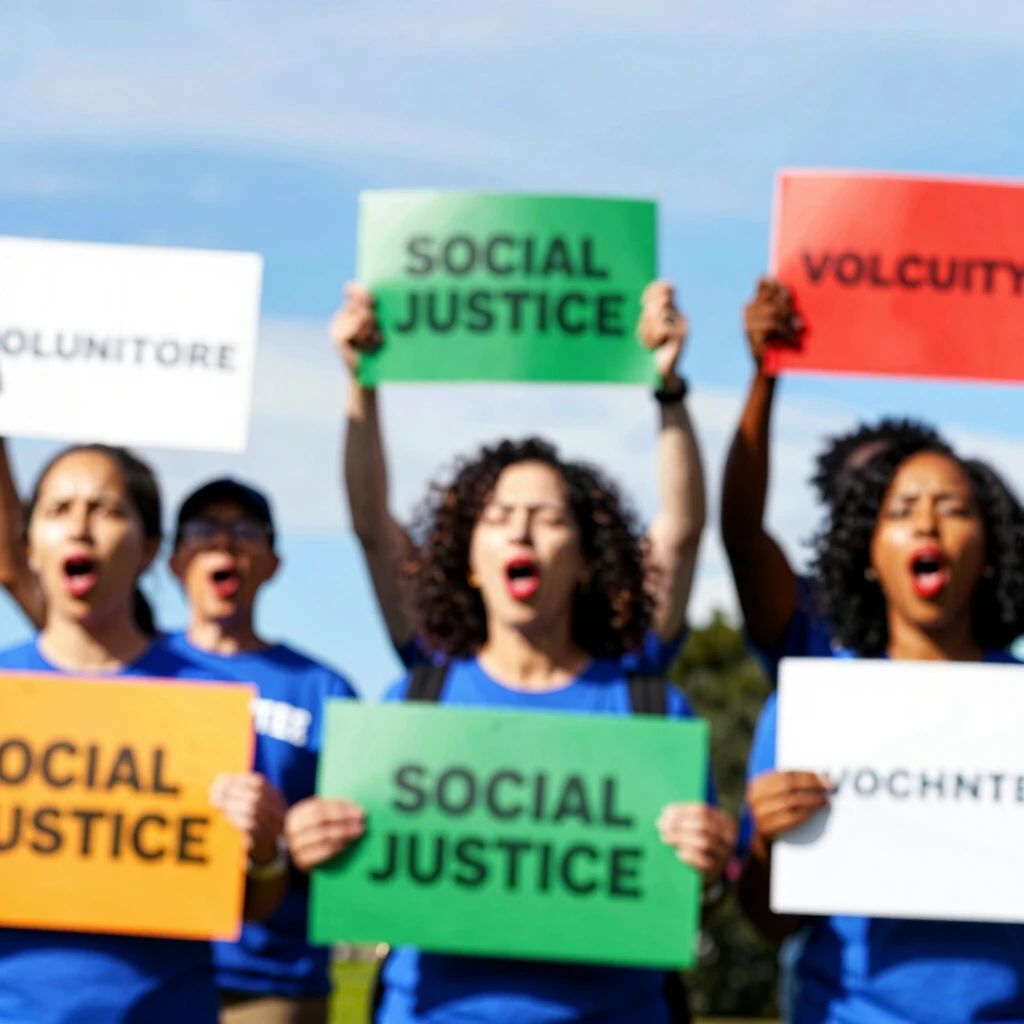
Quick Overview
Advocacy volunteering lets ordinary people drive meaningful change on issues they care about. Whether you contact lawmakers, join rallies, or raise awareness online, following best practices in advocacy volunteering helps you make a bigger impact while staying safe and effective. This guide shares real tips drawn from experience to help you succeed as a volunteer advocate.

Why Advocacy Volunteering Matters
Advocacy goes beyond traditional volunteering. While many volunteers help at events or sort donations, advocacy volunteers work to change laws, policies, and public opinions. This form of volunteer service often creates long-term systemic improvements.
I remember my first advocacy experience years ago. I joined a small group pushing for better environmental protections in our town. At first, I felt nervous about speaking up. But seeing how our collective efforts led to a new local recycling program showed me the real power of advocacy volunteering.
1. Get Deeply Informed About Your Cause
Knowledge builds confidence. Before you speak, write, or rally, learn the facts.
Start with these steps:
- Read reports from trusted sources
- Understand both sides of the issue
- Know current laws and proposed changes
Good preparation helps you answer questions and avoid spreading misinformation. As a volunteer, your credibility matters.
2. Build Strong Relationships
Advocacy works best when you connect with others. Talk to fellow volunteers, community leaders, and even decision-makers with respect.
Try these relationship-building tips: - Listen more than you speak at first - Find common ground - Follow up after meetings
Strong connections turn one-time actions into ongoing campaigns.

3. Master Effective Communication
Clear, respectful communication drives results. Whether you write emails, make calls, or speak in public, follow these guidelines:
- Be concise and polite
- Share personal stories
- Include clear asks (what you want the person to do)
- Use facts to back up your points
Personal stories stick with people. I once shared my family's experience with healthcare access during a town hall. That story moved more people than statistics alone.
4. Use Digital Tools Wisely
Social media and email campaigns reach thousands quickly. Best practices include:
- Post regularly but not excessively
- Use hashtags strategically
- Share credible sources
- Engage with comments thoughtfully
Remember digital safety: protect your privacy and avoid heated arguments online.
5. Show Up Prepared and Persistent
Consistency wins in advocacy. Attend meetings, send follow-up messages, and celebrate small victories.
A useful checklist for advocacy days:
- Dress appropriately
- Bring notes and contact info
- Arrive early
- Thank everyone afterward
Persistence pays off. Many big policy changes happened after years of steady volunteer effort.

6. Take Care of Yourself
Advocacy can be emotional. Protect your well-being by:
- Setting boundaries
- Taking breaks
- Connecting with supportive people
- Celebrating progress
Sustainable volunteering keeps you in the fight for the long term.
Common Mistakes to Avoid
Even experienced advocates slip up. Watch out for these pitfalls:
- Getting too emotional in meetings
- Ignoring instructions from organizers
- Spreading unverified information
- Burning out from overcommitment
Learn from mistakes and keep improving.
Final Thoughts
Best practices in advocacy volunteering focus on preparation, respect, persistence, and self-care. When you combine passion with smart strategies, you become a powerful force for change.
Every email, call, or conversation matters. Your volunteer efforts help build a better world. Start small, stay consistent, and watch your impact grow.