Best Practices for Nonprofit Organizations: Boosting Impact with Service Learning and Volunteers
Explore proven best practices for nonprofit organizations, including volunteer management, the basics of service learning for communities, and step-by-step tips for organizing a community service event to create lasting change.
3 min read
Nonprofit organizations are the backbone of community support and social change. This guide shares best practices for nonprofit organizations to help you maximize your reach and effectiveness while incorporating powerful tools like service learning and volunteer programs.
In today's challenging environment, following proven strategies can make all the difference. Whether you run a small local group or a larger entity, these insights will guide you toward greater success and sustainability.
Why do best practices for nonprofit organizations matter so much? They help you build trust with donors, engage communities effectively, and deliver real results. From my work with various causes over the years, I have seen organizations thrive when they focus on clear goals, strong teams, and smart community involvement. Without these foundations, even passionate efforts can stall.
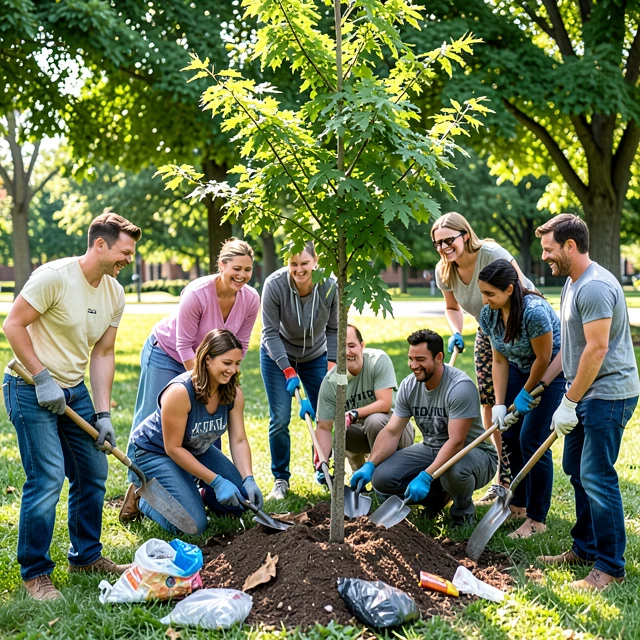
Start by establishing a clear mission and strong governance. Write a mission statement that everyone understands and lives by. Build a board of directors with varied skills who meet regularly and follow ethical guidelines. This setup creates accountability and helps you stay focused on your goals.
Volunteers bring energy and fresh ideas to your cause. Effective volunteer management starts with clear roles, proper training, and genuine recognition. Reach out through local networks and online platforms to find people whose skills match your needs. Treat them as valued partners, not just helpers, and you will see higher retention and better results.
One key area where nonprofits excel is through volunteer programs that go beyond simple tasks. Offer meaningful opportunities that let people grow while they give back. Regular check-ins and feedback sessions keep everyone motivated and aligned with your mission.
Understanding the basics of service learning for communities can transform how your organization operates. Service learning blends hands-on community work with reflection and education. Participants learn new skills while addressing real needs, creating deeper connections and longer-lasting change.
For example, a youth group might learn about environmental science while helping restore a local wetland. This approach benefits everyone: volunteers gain knowledge, communities receive help, and your nonprofit builds stronger ties.
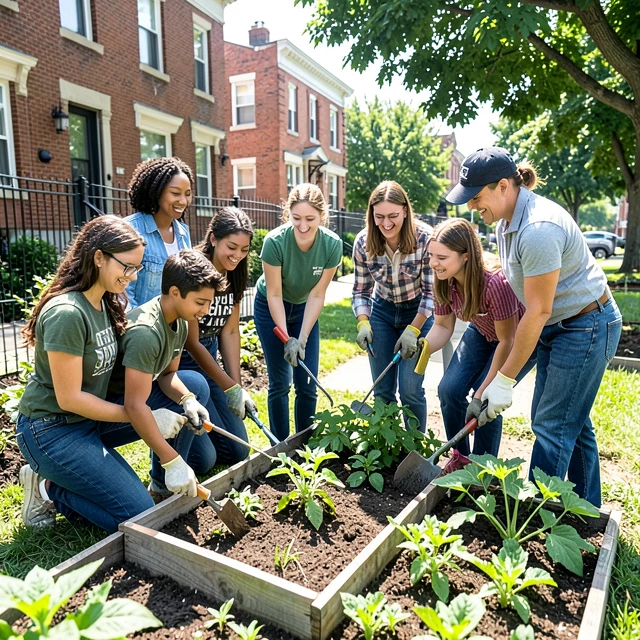
Organizing a community service event takes careful planning but delivers big rewards. Begin by setting clear goals and choosing a project that matches your mission. Create a timeline, assign roles, and promote the event through social media and local partners.
Here is a simple step-by-step list to make your next event a success:
- Define the purpose and expected outcomes.
- Recruit volunteers early and provide training.
- Secure necessary permits and supplies.
- Promote widely to attract participants.
- Run the event smoothly with clear instructions.
- Follow up with thanks and impact reports.
I once helped organize a neighborhood cleanup that brought together 150 volunteers. The key was strong communication and plenty of water and snacks on a hot day. The event not only cleaned the area but also sparked ongoing monthly gatherings.

Fundraising remains essential for any nonprofit. Mix traditional methods like grant writing with creative ideas such as online campaigns and events. Track every dollar and share clear stories about how funds create change. Transparency builds donor loyalty.
Use simple tools like spreadsheets or free software to manage finances. Regular audits and public reports show stakeholders you handle money responsibly.
Measuring impact helps you improve and prove your value. Collect data on how many people you serve and the changes you create. Share success stories in newsletters and annual reports. Tools from organizations like the National Council of Nonprofits can guide you here.
Technology makes everything easier. Free project management apps help coordinate volunteers. Social media spreads your message quickly. Online training platforms prepare your team without high costs.
Build partnerships with schools, businesses, and other groups. These collaborations expand your reach and share resources. Joint events often create bigger results than working alone.
Avoid common pitfalls like spreading yourself too thin or ignoring volunteer feedback. Stay flexible and keep learning from each project.
In summary, the best practices for nonprofit organizations focus on strong foundations, active volunteer involvement, and smart integration of service learning. By organizing community service events thoughtfully and measuring real results, you create lasting positive change. Start small, stay consistent, and watch your impact grow.