Best Practices for Volunteer Recruitment in Political Campaigns
Learn effective strategies for recruiting and retaining volunteers in political campaigns, including tips on defining roles, using social media, building relationships, providing training, and recognizing contributions.
4 min read
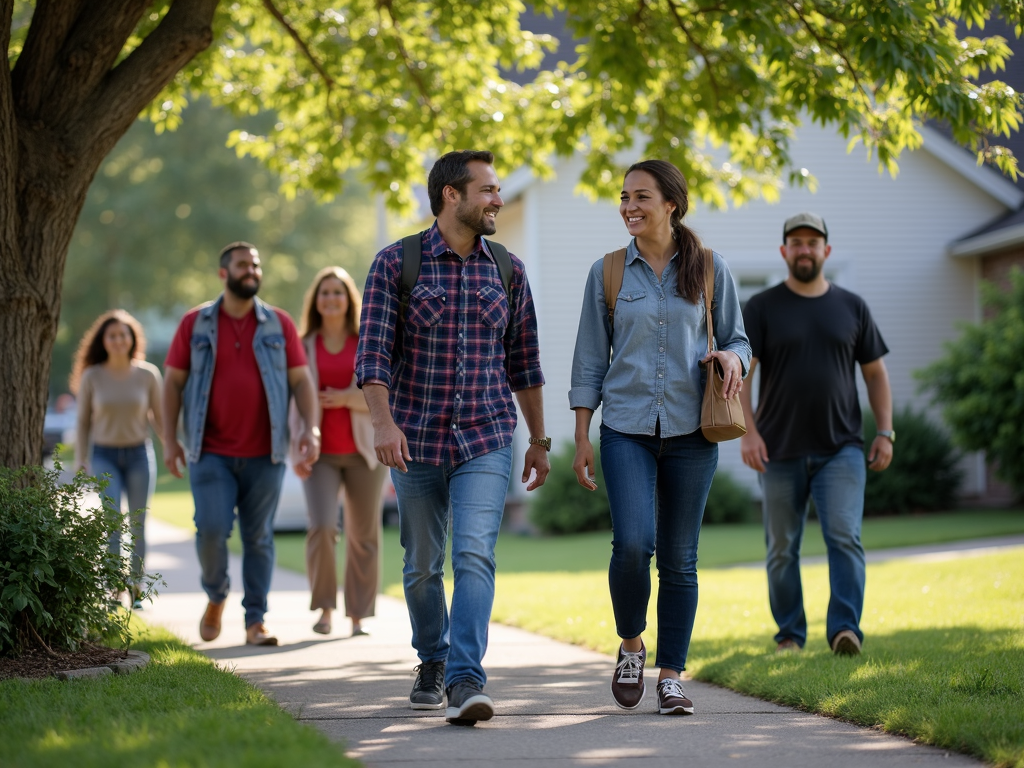
Volunteers are the backbone of political campaigns, providing essential support for canvassing, phone banking, and organizing events. However, recruiting and retaining volunteers can be challenging. In this article, we'll explore best practices for volunteer recruitment in political campaigns, including strategies for defining roles, using social media, building relationships, providing training, and recognizing contributions.

Defining Clear Roles and Responsibilities
One of the most important steps in volunteer recruitment is defining clear roles and responsibilities. Volunteers need to know what is expected of them and how their contributions will make a difference. Campaign coordinators should create detailed job descriptions for each volunteer position, outlining tasks, time commitments, and required skills.
For example, a canvassing volunteer might be responsible for knocking on doors, engaging with voters, and collecting data. A phone banking volunteer might be responsible for making calls, answering questions, and recording responses.
By defining clear roles and responsibilities, campaign coordinators can attract volunteers who are a good fit for the position and ensure that everyone is working towards the same goals. According to a study from the University of Michigan, effective volunteer recruitment strategies can increase volunteer retention by up to 50%.
Additionally, campaign coordinators should match volunteers with roles that align with their skills and interests. For example, a volunteer with strong communication skills might be a good fit for a phone banking position, while a volunteer with a background in data analysis might be better suited for a data collection role.

Using Social Media and Online Platforms
Social media and online platforms are powerful tools for reaching potential volunteers. Campaign coordinators can use platforms like Facebook, Twitter, and Instagram to share information about volunteer opportunities, post updates on campaign events, and engage with followers.
For example, a campaign might create a Facebook event for a volunteer recruitment drive, inviting followers to attend and learn more about getting involved. The campaign can also use social media to share stories and testimonials from current volunteers, highlighting the impact of their work.
In addition to social media, campaign coordinators can use online platforms like VolunteerMatch or Idealist to post volunteer opportunities and reach a wider audience.
Furthermore, campaign coordinators can leverage video content to showcase volunteer opportunities and engage with potential volunteers. For example, a campaign might create a video series featuring volunteers sharing their experiences and encouraging others to get involved.
Building Relationships with Community Organizations and Local Groups
Building relationships with community organizations and local groups is another effective strategy for volunteer recruitment. Campaign coordinators can partner with organizations that share similar values and goals, such as environmental groups, social justice organizations, or youth clubs.
For example, a campaign might partner with a local environmental group to recruit volunteers for a clean energy initiative. The campaign can also attend community events and meetings to network with potential volunteers and build relationships.
By building relationships with community organizations and local groups, campaign coordinators can tap into existing networks and reach a wider audience of potential volunteers. The National Council of Nonprofits suggests building relationships with community organizations and local groups to recruit volunteers.
Additionally, campaign coordinators can collaborate with local businesses and schools to recruit volunteers. For example, a campaign might partner with a local coffee shop to host a volunteer recruitment event or work with a school to recruit student volunteers.

Providing Training and Support
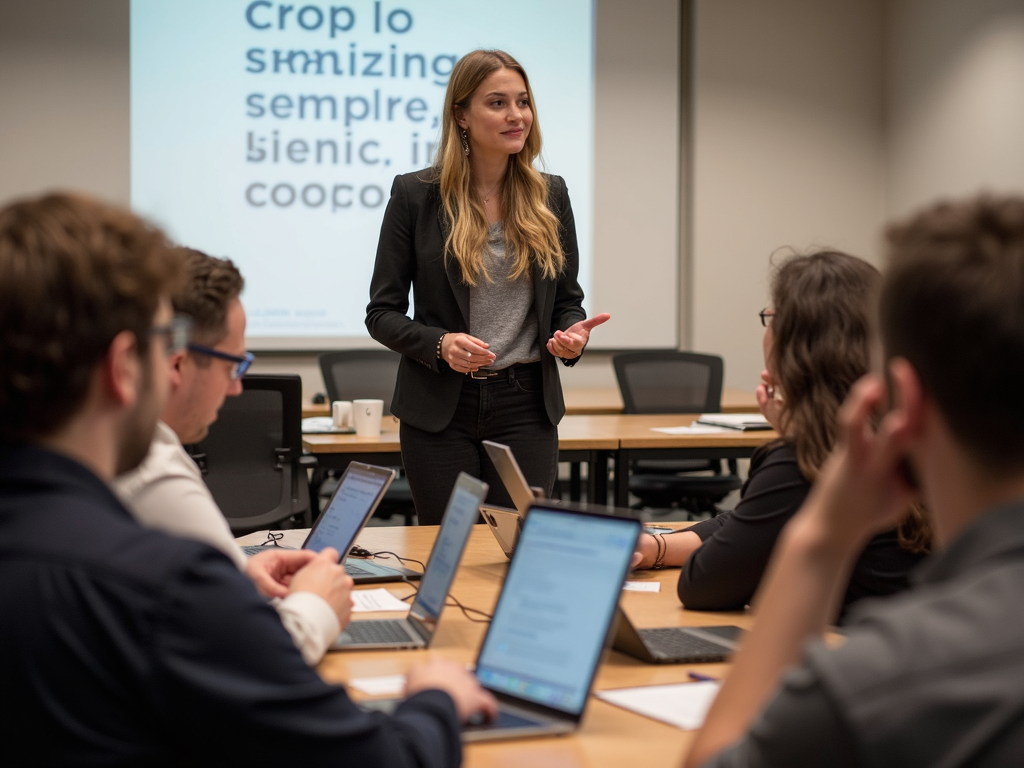
Providing training and support is essential for retaining volunteers and ensuring their success. Campaign coordinators should offer training sessions on topics like canvassing techniques, phone banking scripts, and data collection.
For example, a campaign might offer a training session on how to engage with voters during canvassing, including tips on active listening, responding to questions, and handling objections.
In addition to training, campaign coordinators should provide ongoing support and feedback to volunteers. This can include regular check-ins, debriefing sessions, and opportunities for volunteers to share their experiences and ask questions. The Corporation for National and Community Service recommends providing ongoing training and support to volunteers to ensure their success.
Furthermore, campaign coordinators should create a supportive and inclusive environment for volunteers, where everyone feels valued and respected. This can include providing accommodations for volunteers with disabilities, offering language interpretation services, and promoting diversity and inclusion in volunteer recruitment and retention.
Recognizing and Appreciating Volunteers' Contributions
Recognizing and appreciating volunteers' contributions is crucial for retaining volunteers and building a positive team culture. Campaign coordinators should regularly thank volunteers for their work and acknowledge their achievements.
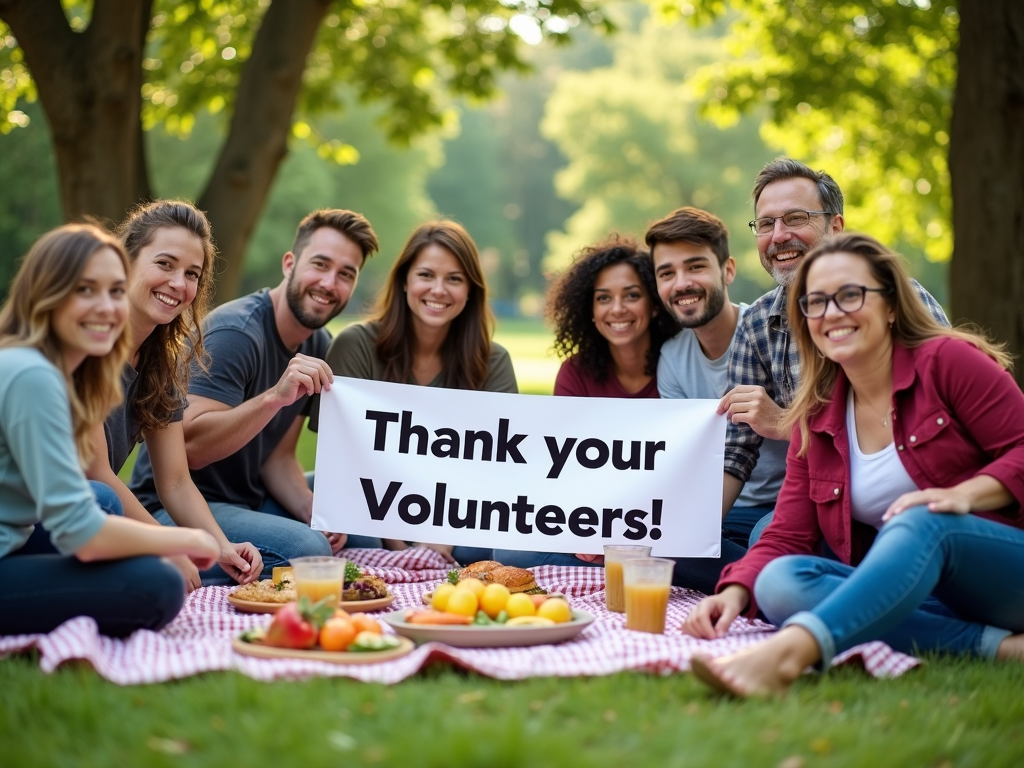
For example, a campaign might host a volunteer appreciation event, such as a picnic or pizza party, to celebrate the contributions of volunteers. The campaign can also share stories and testimonials from volunteers on social media and in campaign newsletters.
By recognizing and appreciating volunteers' contributions, campaign coordinators can build a sense of community and belonging, encouraging volunteers to stay involved and recruit others.
Additionally, campaign coordinators can suggest creative ways to thank volunteers, such as personalized thank-you notes or social media shoutouts. For example, a campaign might create a "Volunteer of the Month" program, highlighting the contributions of outstanding volunteers and sharing their stories with the campaign community.
Summary
Volunteer recruitment is a critical component of political campaigns, and effective strategies are essential for attracting and retaining volunteers. By defining clear roles and responsibilities, using social media and online platforms, building relationships with community organizations and local groups, providing training and support, and recognizing and appreciating volunteers' contributions, campaign coordinators can build a strong and dedicated volunteer team.