Best Volunteer Ideas for College Students: Make a Difference While Growing
Discover the best volunteer ideas for college students, from service learning to environmental conservation. Learn how volunteering boosts skills, builds connections, and transforms communities, with practical tips to get started.
5 min read
Overview
Volunteering during college is a powerful way to grow, connect, and give back. From tutoring kids to protecting the planet, the best volunteer ideas for college students blend passion with purpose. This guide explores top opportunities, why service learning boosts student skills, and how to make an impact.
Why Volunteer in College?
College life is busy—classes, part-time jobs, and social events fill your schedule. So why make time to volunteer? It’s more than just helping others; it’s about helping yourself too. Volunteering builds skills, strengthens your resume, and opens doors to new friendships and career paths. I remember my first volunteer gig at a local food bank. I was nervous, unsure if I’d fit in, but sorting donations and chatting with the team made me feel part of something bigger. That’s the magic of volunteering—it transforms you while you transform your community.
Studies show volunteering improves mental health, reduces stress, and boosts happiness. A report from the Corporation for National and Community Service found that volunteers experience lower rates of depression and higher life satisfaction. Plus, employers love seeing volunteer work on resumes—it shows you’re driven, compassionate, and able to work in teams. Whether you’re mentoring kids or cleaning up a park, you’re gaining real-world experience that sets you apart.
Service Learning: Combining Education and Community Service
Service learning takes volunteering to the next level by tying it to your studies. Unlike regular volunteering, service learning combines education and community service, letting you earn academic credit while making a difference. For example, a biology major might monitor water quality for a local river project, applying classroom knowledge to real-world problems. This hands-on approach makes learning exciting and relevant.
Why does service learning boost student skills? It teaches you to think critically, solve problems, and work with others. A study from Vanderbilt University showed that students in service-learning programs improved their leadership and communication skills significantly. I tried service learning in a sociology class, helping a nonprofit create a youth outreach program. Planning events and talking to community members sharpened my organization and public speaking skills—things no textbook could teach.
Top Volunteer Ideas for College Students
Ready to jump in? Here are some of the best volunteer ideas for college students, tailored to different interests and schedules:
- Tutoring and Mentoring: Share your knowledge by helping kids with homework or guiding high schoolers through college prep. Programs like Big Brothers Big Sisters or campus tutoring centers are great starting points.
- Food Banks and Soup Kitchens: Sort donations, serve meals, or organize food drives. It’s a direct way to help those in need, and even a few hours a week makes a big impact.
- Animal Shelters: Love animals? Walk dogs, socialize cats, or help with adoption events at local shelters. It’s fun and reduces stress—cuddling pets is a bonus!
- Community Events: Organize fundraisers, charity runs, or cultural festivals. These roles build leadership and event-planning skills.
- Health Outreach: Volunteer at health clinics, blood drives, or awareness campaigns. Perfect for students eyeing medical or public health careers.
These opportunities are flexible, so you can fit them into your busy schedule. Start small—maybe a few hours a month—and pick something you care about. Passion keeps you motivated. Check your college’s volunteer center or websites like VolunteerMatch to find local opportunities.

The Benefits of Volunteering in Environmental Conservation
Volunteering in environmental conservation is a standout choice for students who care about the planet. It’s hands-on, impactful, and teaches you about sustainability. Whether you’re planting trees or cleaning up a park, you see results fast—a cleaner space, healthier wildlife, or a greener campus. These projects also connect you with nature, which can boost your mood and reduce college stress.
Environmental volunteering builds practical skills too. You learn about ecosystems, teamwork, and problem-solving. For example, restoring a wetland might involve researching native plants or coordinating with local groups. Plus, it’s a chance to network with environmental organizations, which is great if you’re considering a career in sustainability. A report from the Environmental Protection Agency highlights that community-led conservation projects improve local ecosystems and inspire lifelong environmental stewardship.
Top 5 Volunteer Opportunities in Environmental Conservation
Here are the top 5 volunteer opportunities in environmental conservation for college students:
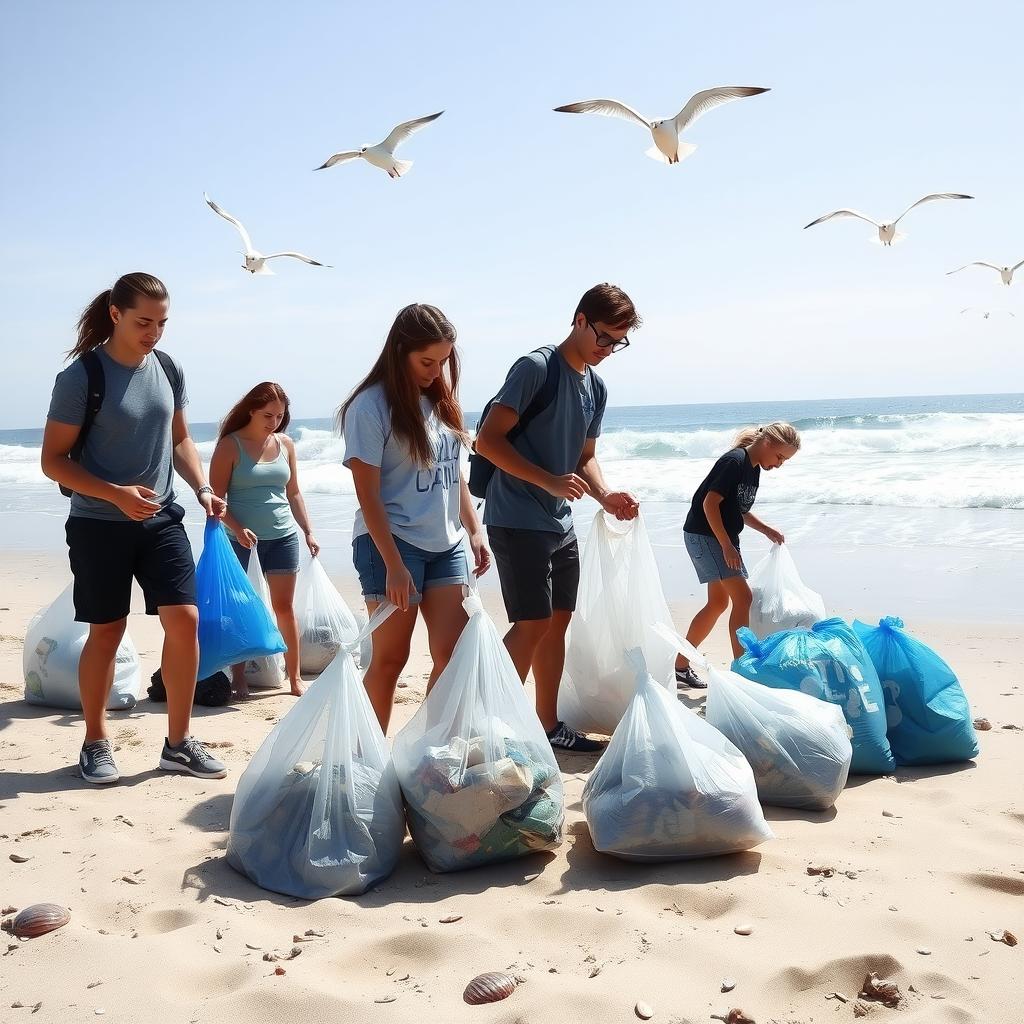
- Park and Beach Cleanups: Join local efforts to pick up trash in parks or along coastlines. It’s simple, social, and makes a visible difference.
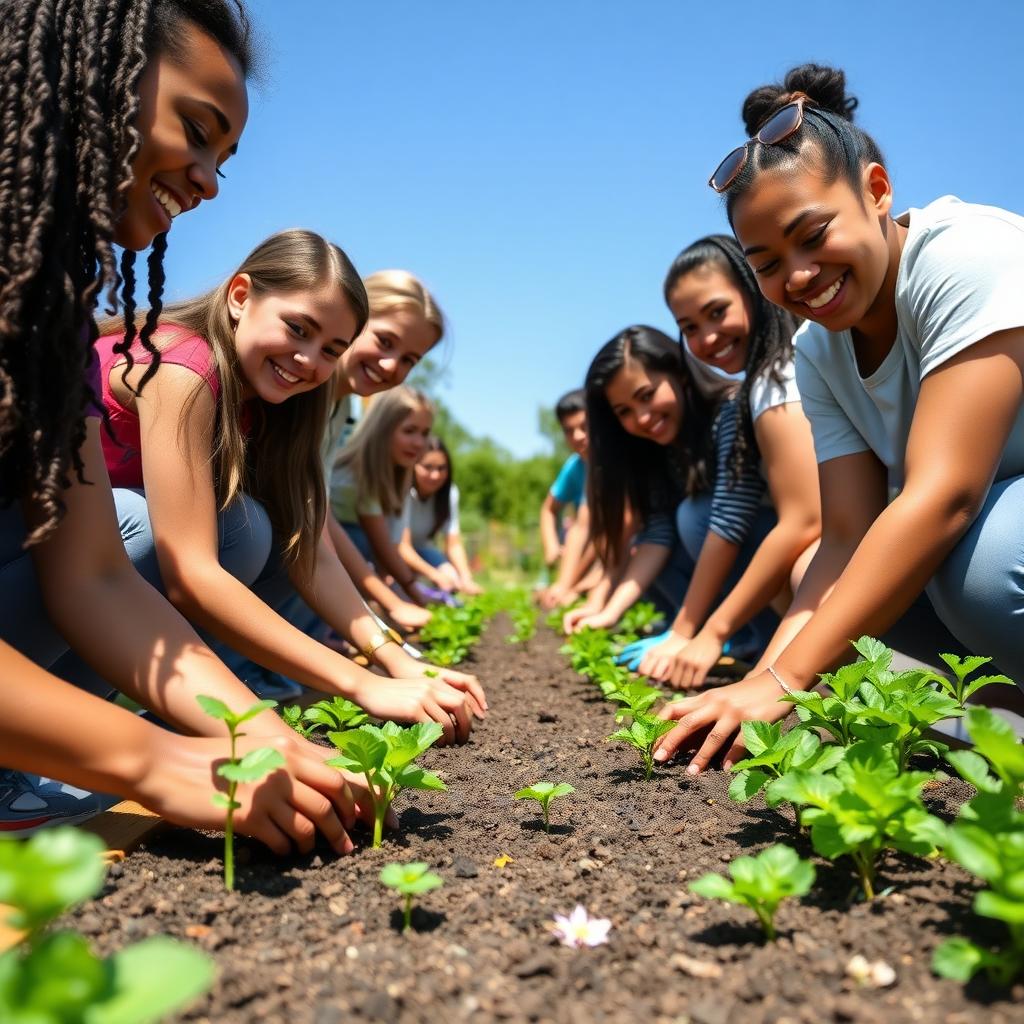
- Community Gardens: Plant and maintain gardens that provide food for local communities. You’ll learn about sustainable farming and connect with neighbors.
- Habitat Restoration: Work with groups like the National Wildlife Federation to restore habitats by planting native species or removing invasive plants.
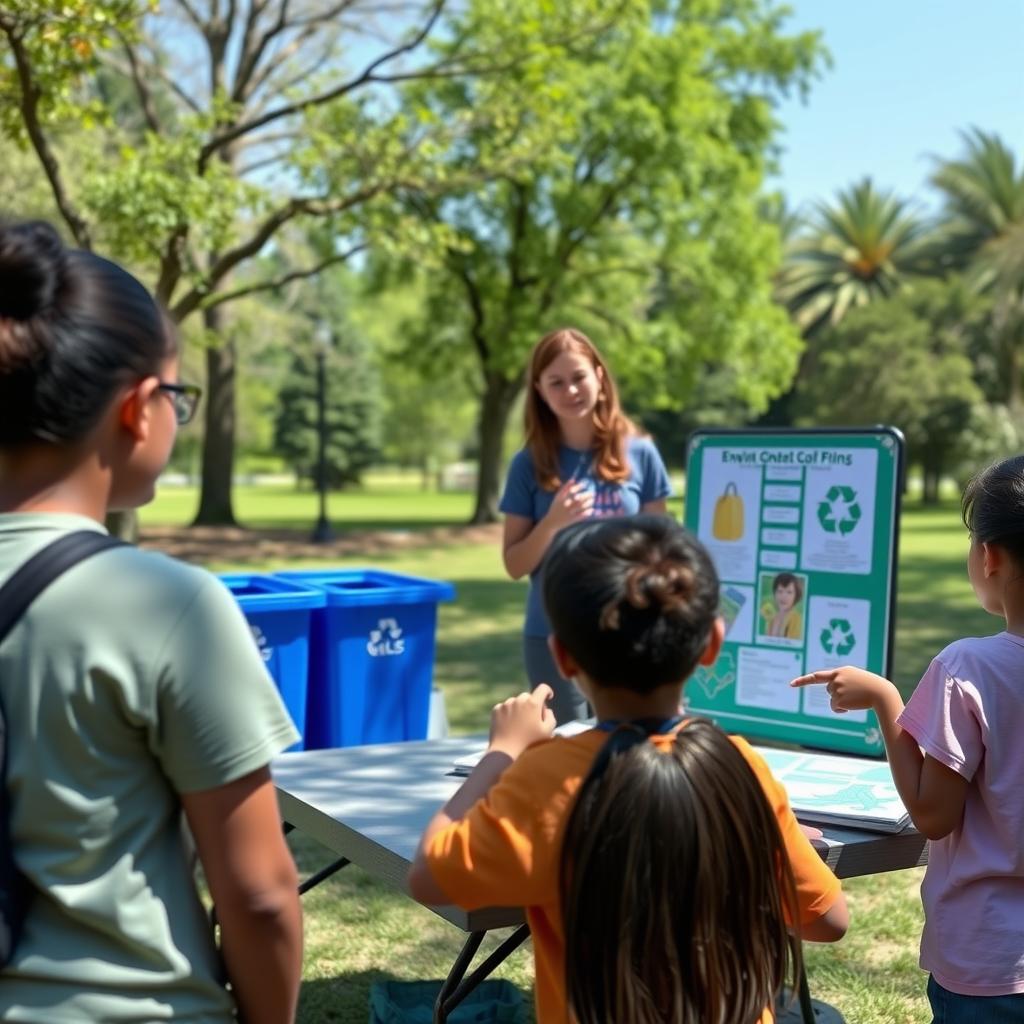
- Environmental Education: Lead workshops or school programs to teach kids about recycling, conservation, or wildlife. It’s a great way to practice public speaking.
- Citizen Science Projects: Collect data on local wildlife or water quality for research groups. This is perfect for science majors who want hands-on experience.
These opportunities are often organized by groups like the Sierra Club or local parks departments. They’re low-commitment but high-impact, letting you contribute even with a packed schedule.
How to Get Started
Not sure where to begin? Follow these steps:
| Step | Action |
|---|---|
| 1. Identify Interests | Think about what you love—animals, kids, nature, or health. Pick a cause that excites you. |
| 2. Research Opportunities | Check your college’s volunteer center, local nonprofits, or online platforms like VolunteerMatch. |
| 3. Start Small | Commit to a few hours a month. Short shifts at a food bank or a one-day cleanup are great starting points. |
| 4. Reflect and Connect | After volunteering, think about what you learned. Talk to other volunteers or staff for networking. |
| 5. Scale Up | Once you’re comfortable, try leadership roles or service-learning programs for deeper impact. |
My first volunteer experience was a one-day park cleanup. I showed up, grabbed a trash bag, and met students who shared my love for the outdoors. That small step led me to join a community garden project, which became a highlight of my college years.
Balancing Volunteering with College Life
Balancing volunteering with classes and social life can feel tricky, but it’s doable. Choose flexible opportunities, like weekend cleanups or remote tasks, such as writing newsletters for nonprofits. Set clear boundaries—don’t overcommit. Even two hours a month can make a difference. Use a planner to schedule volunteer shifts alongside study time. I found that volunteering actually helped me manage stress—it gave me a break from schoolwork and a sense of purpose.
Summary
The best volunteer ideas for college students, from service learning to environmental conservation, offer ways to grow while giving back. These experiences build skills like leadership and teamwork, boost your resume, and create lasting connections. Whether you’re tutoring kids or planting trees, you’re making a difference. Start small, pick a cause you care about, and jump in today. Your community—and your future self—will thank you.