Building a Strong Volunteer Network
A comprehensive guide to building a strong volunteer network, essential for successful advocacy campaigns.
5 min read
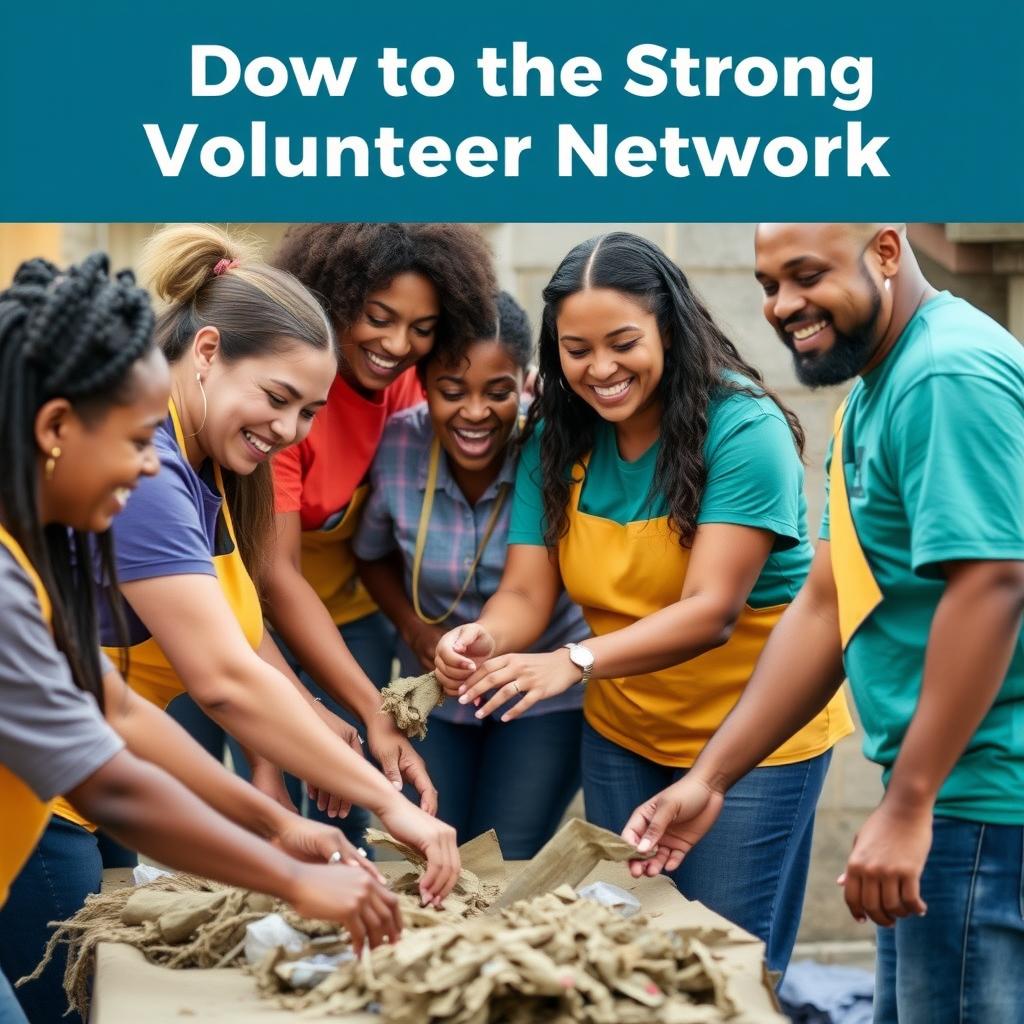
Building a strong volunteer network is crucial for any advocacy campaign. It not only amplifies your message but also fosters a sense of community and shared purpose. This article will guide you through the process of creating and nurturing such a network, drawing from real experiences and expert insights.
Understanding Volunteer Dynamics in Campaigns
Volunteers are the backbone of any advocacy campaign. They bring energy, passion, and a diverse set of skills to the table. However, managing a volunteer network can be challenging. It's essential to understand the dynamics at play to ensure your volunteers remain engaged and motivated.
One key aspect is recognizing that volunteers are not employees. They are giving their time and effort freely, so it's crucial to treat them with respect and appreciation. This means providing clear expectations, offering training and support, and acknowledging their contributions.
Another important factor is fostering a sense of community among your volunteers. Encourage them to connect with each other, share their experiences, and support one another. This can be done through regular meetings, social events, or online forums.

Real-World Examples of Successful Volunteer Networks
One notable example is the volunteer network built during the Obama campaign. The campaign mobilized a massive network of volunteers who were passionate about the cause and willing to work hard to achieve their goals. They provided training, support, and opportunities for growth, which helped keep volunteers engaged and motivated. According to a study by the Pew Research Center, the campaign's volunteer efforts were a key factor in its success.
Another example is the American Red Cross's volunteer network. The organization has a long history of relying on volunteers to carry out its mission. They provide extensive training and support to their volunteers, which helps ensure they are prepared to handle the challenges they may face. The American Red Cross has been recognized for its effective volunteer management practices.
Overcoming Challenges in Volunteer Network Building
Building a volunteer network comes with its own set of challenges. Here are some common issues and how to address them:
- Volunteer burnout: Volunteers may become overwhelmed or lose motivation over time. To prevent this, ensure you provide regular breaks, offer support and resources, and recognize their contributions.
- Managing conflicts: Disagreements can arise among volunteers. Encourage open communication, provide mediation if needed, and ensure everyone feels heard and respected.
The Importance of Diversity and Inclusion
Diversity and inclusion are crucial for building a strong volunteer network. A diverse group of volunteers brings a range of perspectives, skills, and experiences to the table. This can help you reach a broader audience and achieve your goals more effectively.
To foster diversity and inclusion: - Ensure your recruitment efforts are inclusive and welcoming to all. - Provide training on unconscious bias and cultural competence. - Create a safe and supportive environment for all volunteers.
Measuring the Success of Your Volunteer Network
Measuring the success of your volunteer network is essential for understanding its impact and identifying areas for improvement. Here are some metrics you can use:
- Volunteer retention rate: How many volunteers stay with your organization over time?
- Volunteer satisfaction: How satisfied are your volunteers with their experience?
- Impact on campaign goals: How has your volunteer network contributed to achieving your campaign goals?
- Diversity and inclusion: How diverse is your volunteer network, and how inclusive is your organization?
Building a Strong Volunteer Network: A Comprehensive Guide
Building a strong volunteer network is essential for any advocacy campaign. It not only amplifies your message but also fosters a sense of community and shared purpose. This article will guide you through the process of creating and nurturing such a network, drawing from real experiences and expert insights.
How to Start an Advocacy Campaign: A Step-by-Step Guide
Starting an advocacy campaign takes planning and action. Here’s a simple guide to get you going:
- Set clear goals: What do you want to change? Make your goals specific and doable.
- Know your audience: Who needs to hear your message? Understand their needs and interests.
- Craft your message: Keep it clear and powerful so it sticks with people.
- Pick your methods: Will you use social media, host events, or try something else?
- Gather your team: Find volunteers who believe in your cause and can help make it happen.
- Launch your campaign: Start sharing your message and track how it’s going.
- Check and tweak: Look at what’s working, and adjust as you go.
Years ago, I helped launch a small campaign to clean up a local park. We started with a clear goal—remove trash and plant trees—and rallied a handful of volunteers. That focus kept us on track and grew our team over time.
Building a Strong Volunteer Network: Key Strategies
Creating a solid volunteer network doesn’t happen by accident. You need a plan. Here are some practical steps:
- Know what you need: What skills do your volunteers need to have? Define the roles clearly.
- Recruit smart: Find people who care about your cause. Share your mission on social media, at events, or through friends.
- Train and support: Give volunteers the tools they need to succeed. Offer workshops, pair them with mentors, or check in regularly.
- Build connections: Help volunteers bond with each other. Plan meetups or create online spaces for them to talk.
- Show appreciation: Thank them often. Share their wins, give feedback, and offer chances to grow.
I once worked with a group that struggled to keep volunteers. They started hosting thank-you dinners and saw people stick around longer. Small gestures can make a big difference.
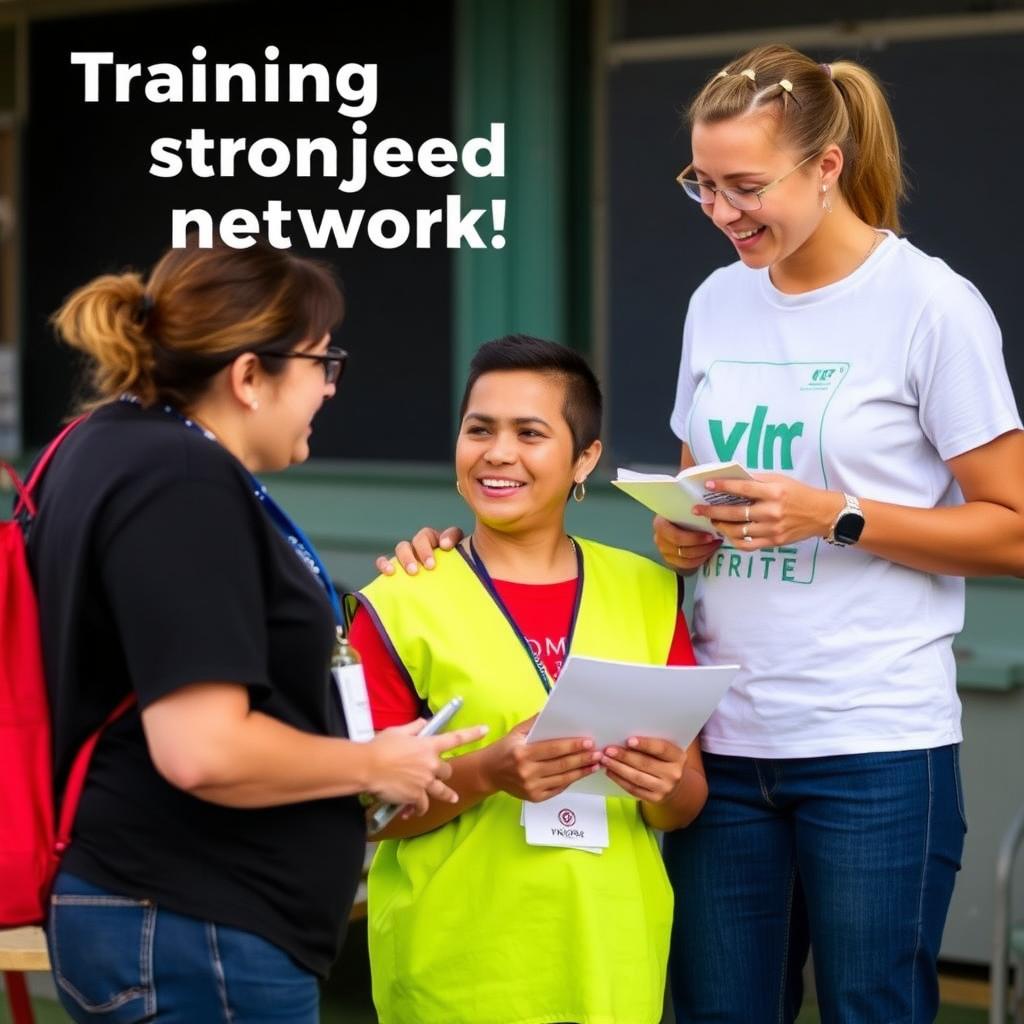
Using Technology to Boost Your Network
Technology can make your volunteer network stronger. Here’s how:
- Share your cause on social media to find and engage volunteers.
- Use online tools for training or team updates.
- Track progress with data to see what’s working.
- Coordinate tasks with apps like Trello or Slack.
A Stanford Social Innovation Review article explains how tech can transform volunteer efforts. It’s a game-changer if you use it right.

Conclusion
Building a strong volunteer network powers up your advocacy efforts. Understand what drives your team, give them support, connect them with each other, and use tools to stay organized. With these steps, your campaign can thrive and make a real difference.
This article provides a complete guide to building a strong volunteer network, blending real stories with expert advice to help your advocacy succeed.