Building Effective Advocacy Campaigns: A Step-by-Step Guide
Discover how to create powerful advocacy campaigns that drive real change. This comprehensive guide walks you through each step, with practical tips for volunteers to maximize impact and overcome common challenges.
3 min read
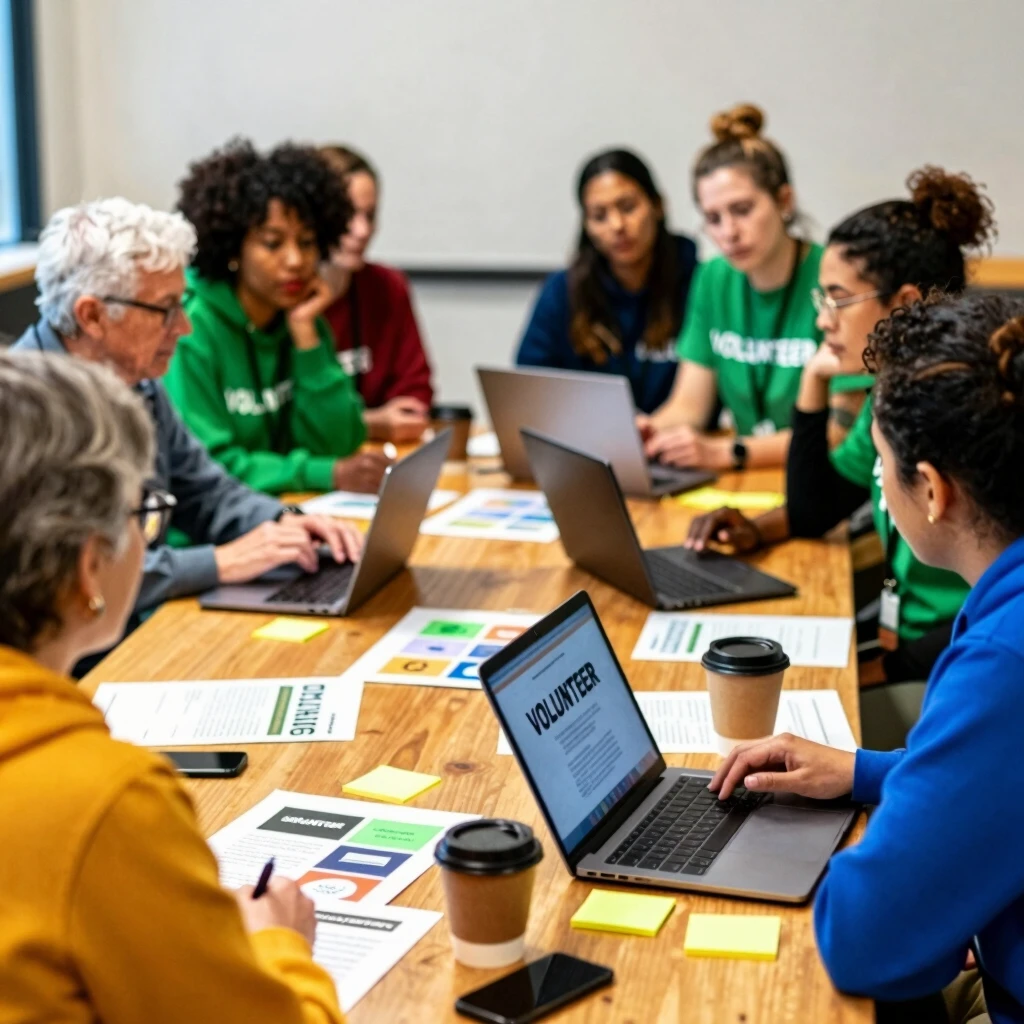
Advocacy campaigns can transform communities and policies when done right. This step-by-step guide helps you build effective ones, whether you're new to volunteering or looking to boost your skills. Learn actionable strategies to make a lasting difference.
Why Advocacy Matters Today
In a world full of issues needing attention, advocacy gives everyday people a voice. You don't need to be an expert to start. Many successful campaigns begin with passionate volunteers who take small, consistent actions.
I've seen firsthand how a group of determined volunteers can shift public opinion and influence decisions. One campaign I joined focused on local environmental protection—it started small but grew into policy changes that benefited thousands.

Step 1: Define Your Goal Clearly
Start by picking a specific issue. Ask yourself: What exact change do you want? Vague goals lead to scattered efforts. Make it SMART—Specific, Measurable, Achievable, Relevant, and Time-bound.
For example, instead of 'improve education,' aim for 'increase funding for school libraries in our district by 20% within two years.'
Research the problem deeply. Gather facts and stories that show why change is needed. The Community Tool Box from the University of Kansas offers excellent resources on getting started with advocacy planning.
Advocacy 101: Getting Started as a Volunteer Advocate
If you're new, begin with Advocacy 101: Getting Started as a Volunteer Advocate. Join an existing group or organization aligned with your passion. Attend meetings, learn the basics, and offer your time for simple tasks like phone calls or event setup.
Volunteering builds confidence quickly. You'll meet like-minded people and understand how decisions get made.
Step 2: Research and Build Your Case
Collect evidence to support your goal. Use data, personal stories, and expert opinions. This makes your campaign credible.
Look for statistics from reliable sources. For instance, government reports often highlight issues like health disparities or environmental risks.
Map out decision-makers. Who holds the power to make the change? Elected officials? Company leaders? Target them wisely.
Step 3: Create a Strong Message
Your message should be clear, emotional, and easy to share. Tell a story that connects with people. Use simple words that inspire action.
Test your message with friends. Does it motivate them?
Step 4: Build Coalitions and Recruit Volunteers
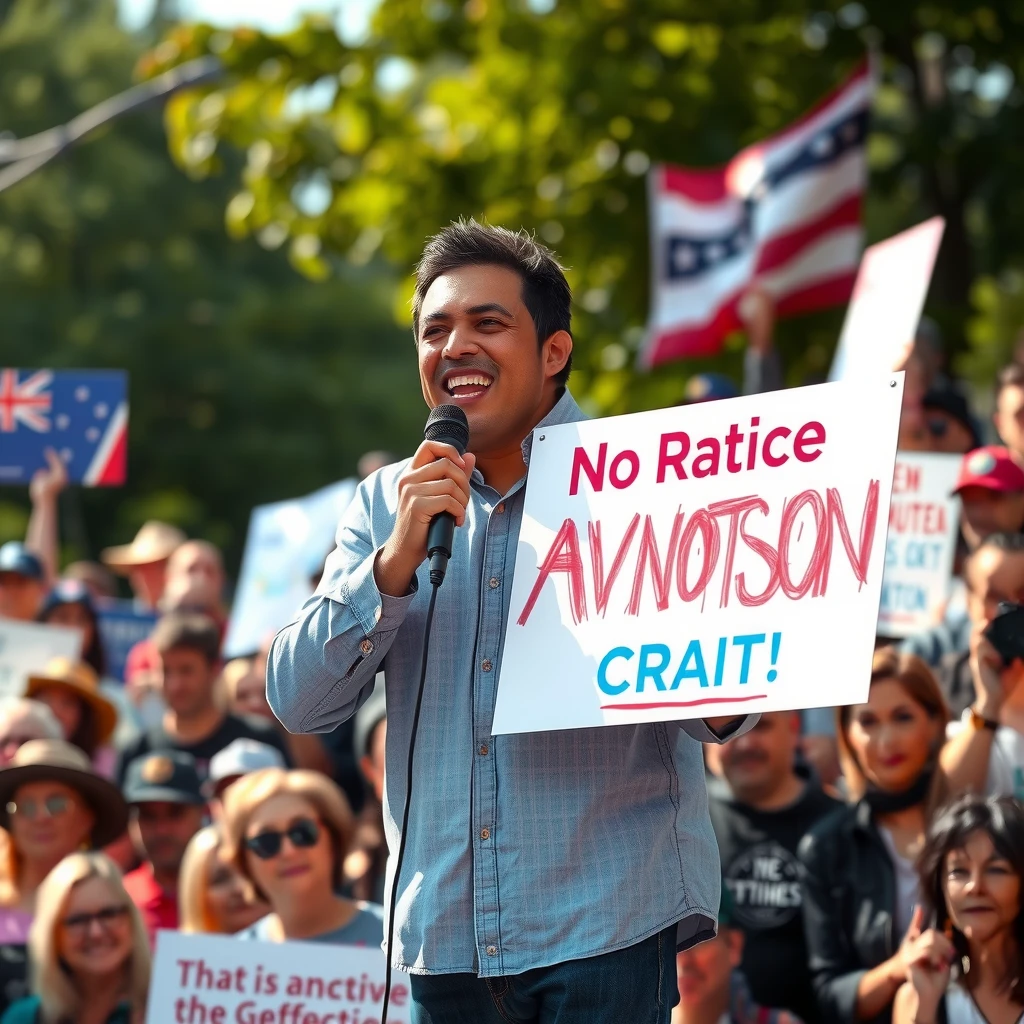
No campaign succeeds alone. Partner with other groups. Reach out to community organizations, schools, and businesses.
Recruit volunteers through social media, events, and personal networks. Everyone brings unique skills.
Boosting Skills Through Volunteering
Boosting Skills Through Volunteering happens naturally. You'll learn public speaking, organizing events, and digital tools. Many seasoned advocates started as beginners and grew through hands-on experience.
Here are some ways volunteering sharpens your abilities:
- Communication: Writing emails or speaking at meetings
- Leadership: Leading small teams or tasks
- Networking: Connecting with influencers
- Resilience: Handling setbacks
Step 5: Choose Tactics and Take Action
Decide on activities that fit your goal. Options include:
- Petitions and letter-writing
- Social media campaigns
- Public events and rallies
- Meetings with decision-makers
Mix online and offline actions for broader reach.
Track progress regularly. Adjust if something isn't working.
Maximizing Your Volunteer Impact: Tips from Seasoned Volunteers
Maximizing Your Volunteer Impact: Tips from Seasoned Volunteers include staying consistent, focusing on your strengths, and celebrating small wins. One tip: Follow up after actions—thank participants and share updates.
Another: Use personal stories. They connect better than facts alone.
The American Psychological Association's toolkit for community advocacy provides science-based strategies for grassroots efforts.
Step 6: Overcome Obstacles and Sustain Momentum
Challenges arise in every campaign. Common ones include burnout, opposition, or slow progress.
Overcoming Obstacles in Volunteering
Overcoming Obstacles in Volunteering requires planning. Set realistic time commitments to avoid burnout. Build a support network for tough times.
When facing opposition, stay factual and positive. Turn negatives into opportunities to educate.

For detailed planning help, check the UNICEF guide on crafting advocacy strategies or similar resources from established organizations.
Step 7: Evaluate and Celebrate Success
After actions, review what worked. Measure outcomes like signatures collected or media coverage.
Celebrate wins, big or small. This keeps volunteers motivated for future efforts.
Even if the main goal takes time, progress builds momentum.
Building effective advocacy campaigns takes patience and teamwork. Follow these steps, start as a volunteer, and watch your efforts create real change. Your voice matters—use it wisely.