Building Effective Campaigns: A Volunteer’s Guide
Discover practical steps and real-world tips for volunteers to build powerful advocacy campaigns. From goal-setting to team motivation, this guide empowers you to drive change in your community.
4 min read
Building Effective Campaigns: A Volunteer’s Guide
Volunteering for advocacy work can change lives, but success starts with smart planning. This guide shares simple steps to create campaigns that inspire action and last. Whether you're new or experienced, learn how to rally support, overcome hurdles, and celebrate wins. Get ready to make a real difference.

Why Jump into Advocacy as a Volunteer?
I remember my first advocacy event. Nerves hit hard as I handed out flyers on local park funding. But seeing one family sign up? Pure magic. Advocacy means pushing for what matters—clean air, fair schools, or community safety. As a volunteer, you bring fresh energy and real stories that pros can't match.
Volunteers like you fuel change. You connect with neighbors in ways data alone can't. And guess what? Studies show community-led efforts boost policy wins by up to 30%. It's not just talk; it's action that sticks.
Start small. Pick a cause close to home. Maybe it's reducing plastic waste in your town. Passion drives you forward. Share why it fires you up. That spark draws others in.
Step 1: Nail Down Your Goals
Clear goals keep everyone on track. Think SMART: Specific, Measurable, Achievable, Relevant, Timed. Want more bike lanes? Don't say 'improve cycling.' Say: 'Get city council to approve 5 new lanes by June 2026.'
In my experience, vague aims lead to burnout. Once, our group aimed to 'help kids read better.' We floundered until we focused on 'raise $2,000 for 50 library books in three months.' Boom—donations poured in.
Break goals into bites. Long-term: Shift policy in five years. Short-term: Host a workshop next month. Use a simple table to map them:
| Goal Type | Example | Timeline |
|---|---|---|
| Long-term | Increase park funding by 20% | 5 years |
| Intermediate | Gather 200 signatures | 6 months |
| Short-term | Recruit 10 volunteers | 1 month |
For deeper dives, check the University of Kansas Community Tool Box guide on developing an advocacy plan. It breaks down how to set goals that motivate volunteers without overwhelming them.
Step 2: Build a Rock-Solid Team
No campaign flies solo. Recruit volunteers who share your fire. Post on social media, chat at coffee shops, or tap friends. Aim for mix: organizers, storytellers, tech whizzes.
I once led a team of eight for a food bank drive. Our graphic designer made killer posters; the teacher trained us on public speaking. Diversity sparks ideas—don't skip it.
Foster bonds. Weekly check-ins build trust. Celebrate small wins, like a new recruit. Remember, volunteers give time freely—make it fun.
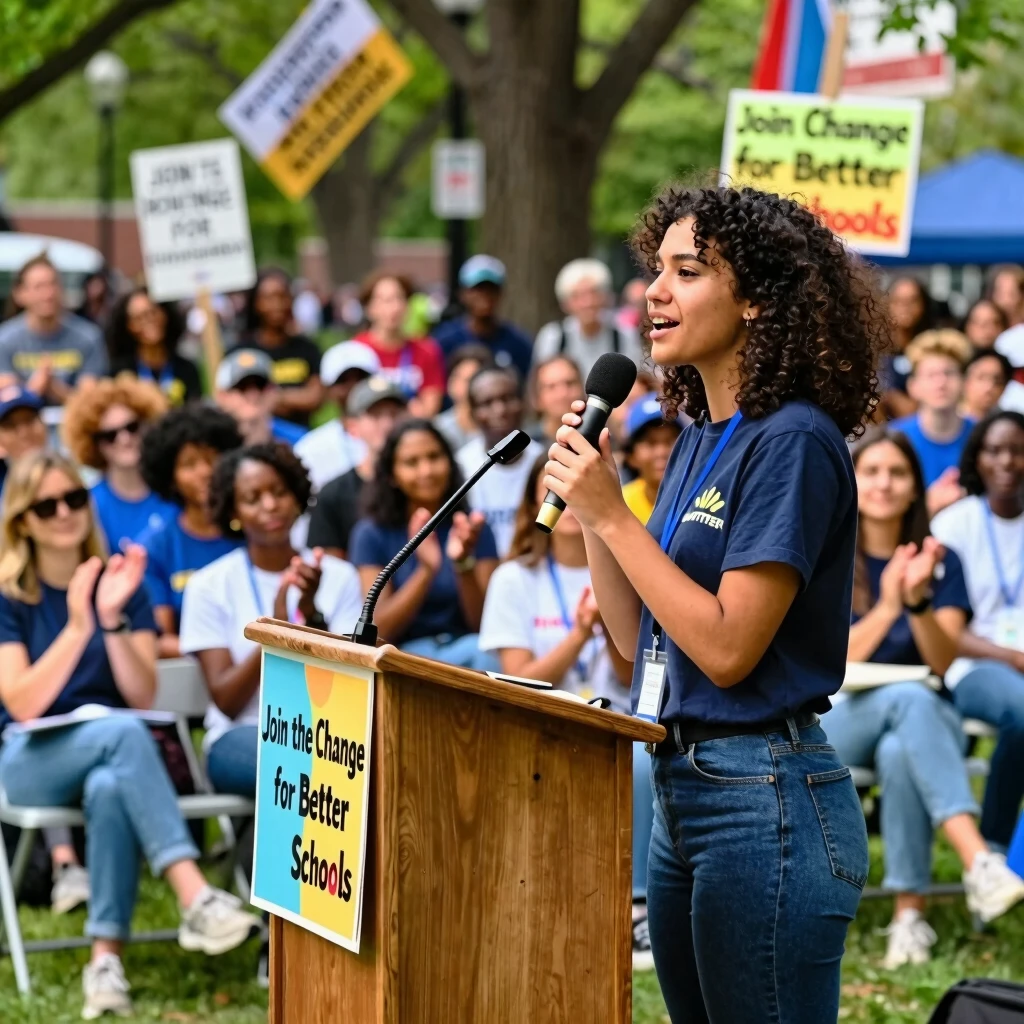
Step 3: Craft Smart Strategies
Now, plot your path. Mix tactics: social media blasts, door-to-door chats, email petitions. Low-key? Educational workshops. Bold? A peaceful march.
Advocacy shines when tailored. For climate action, partner with schools for kid-led events. Track what works—tweak as you go.
As the Open Society Foundations notes in their introductory guide to successful advocacy, 'Advocacy is an organized attempt to change policy, practice, and/or attitudes by presenting evidence and arguments.' Ground your strategies in facts to win hearts and minds.
Step 4: Level Up with Volunteer Training for Advocacy Work
Training turns eager helpers into pros. Cover basics: how to pitch your cause, handle tough questions, use social media safely. Role-play scenarios—it's gold.
In my second campaign, we skipped training. Chaos ensued at a town hall. Next time? A two-hour session on clear messaging. Volunteers shone, gaining 50 supporters in one night.
Keep it simple. Free online tools abound. Focus on listening—it's half the battle. Empowered volunteers stick around longer.
Pro tip: Use lists for training agendas: - Icebreaker: Share your 'why' - Core skills: Storytelling and asking - Practice: Mock interviews - Wrap: Q&A and feedback
Step 5: Launch, Engage, and Adapt
Go time! Blast announcements. Track engagement—likes, shares, sign-ups. Respond fast to feedback.
Challenges hit. Low turnout? Pivot to virtual events. Opposition? Listen, then counter with stories. Flexibility saved our river cleanup push when rain canceled the rally—we streamed it instead, reaching twice as many.
Build momentum with 'each one reach 10.' Each volunteer contacts 10 folks. Snowballs fast. The American Library Association's Power Guide for Successful Advocacy highlights this tactic, noting how it amplifies grassroots voices effectively.
Stay legal. Know rally permits or petition rules. Safety first—debrief after events.

Tackle Common Hurdles Head-On
Burnout creeps in. Watch for signs—missed meetings, fading energy. Counter with breaks and shout-outs.
Funding tight? Crowdfund or seek in-kind donations. Tech glitches? Have backups.
One stat sticks: In low-income areas, kids lag 60% behind peers at kindergarten start. Libraries bridge that via free access. Your campaign could too—focus on impact.
Measure wins beyond numbers. Did a policy shift? Lives touched? Journal it—fuels future fire.
Wrapping It Up: Your Campaign Legacy
Building effective campaigns as a volunteer isn't quick—strategies often span 1-3 years, per experts. But the ripple? Huge. You've equipped communities, sparked hope.
Keep learning. Reflect on what clicked. Next time, aim bigger. You're not just volunteering; you're architecting change. Go build that legacy.