Building Effective Grassroots Movements: A Complete Guide to Creating Lasting Change
Discover proven strategies for building effective grassroots movements. Learn how to mobilize volunteers, run successful advocacy volunteering in political campaigns, and create real community impact with actionable insights.
4 min read
Overview
Building effective grassroots movements starts with everyday people who care deeply about an issue. These movements bring together volunteers and advocates to drive change from the ground up. In this guide, you will find practical steps, real stories, and tools to turn passion into powerful action.
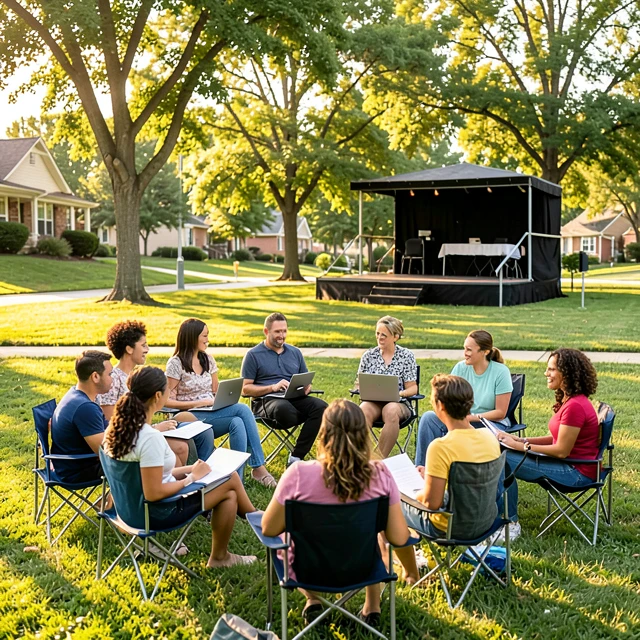
Grassroots movements have shaped history by giving ordinary citizens a voice. Whether you want to improve local schools, protect the environment, or support fair policies, the principles remain the same. You do not need big money or famous leaders. You need committed people, clear goals, and smart action.
Why Grassroots Movements Matter Today
In our fast-paced world, top-down solutions often miss what communities really need. Building effective grassroots movements puts power back in the hands of local people. Volunteers bring personal stories that connect emotionally with neighbors and decision-makers.
Advocacy volunteering in political campaigns shows this power clearly. Door-to-door conversations, phone banks, and community events help turn ideas into votes and policies. These efforts build relationships that last beyond one election.
Research from Harvard Kennedy School highlights the importance of leadership practices that develop people's capacity to act together. Marshall Ganz's work on organizing emphasizes storytelling, strategy, and action as key elements.
Getting Started: Build Your Foundation
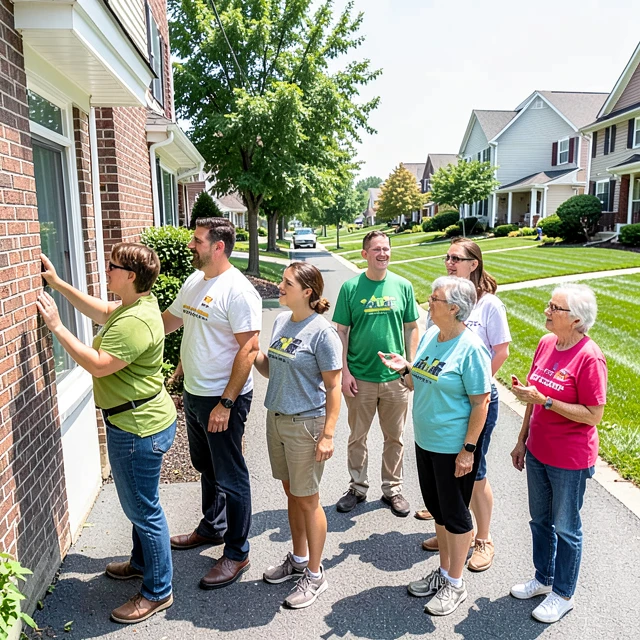
Start small but think big. Identify the problem that matters most to your community. Talk to neighbors, friends, and local groups. Listen more than you speak. Understanding real concerns helps you craft messages that resonate.
Define clear goals. Instead of 'make our city better,' aim for 'secure funding for after-school programs by next year.' Specific goals make it easier to measure progress and keep volunteers motivated.
Create a core team of 5-10 dedicated people. Look for individuals with different skills—some great at talking to people, others good with social media or planning events. Diversity strengthens your movement.
Use free tools like shared documents, group chats, and basic email lists to stay organized. Focus on building trust through regular meetings and shared meals.
Recruiting and Managing Volunteers
Volunteers are the heart of any successful effort. People join causes that connect to their values and offer meaningful ways to help. Make participation easy and rewarding.
Effective recruitment tips:
- Share personal stories about why the issue matters.
- Offer different levels of involvement—from one-hour tasks to leadership roles.
- Host fun kickoff events with food and music.
- Use social media and local bulletin boards.
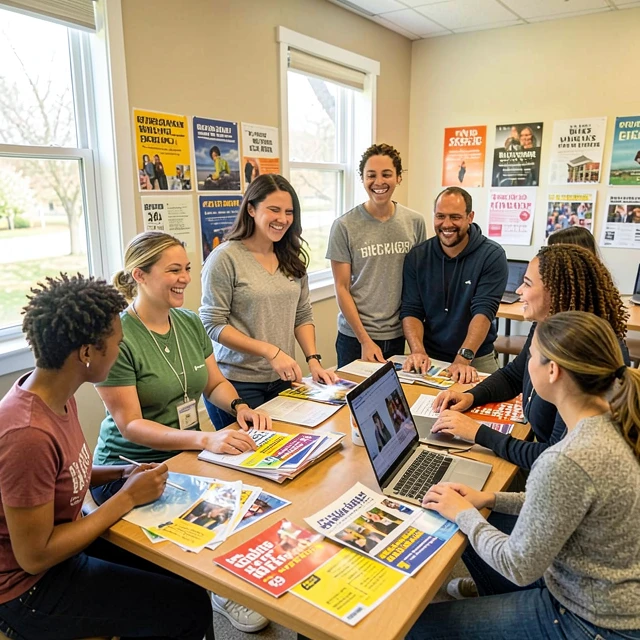
Once people sign up, train them well. Teach basic advocacy skills like how to speak to officials or run a successful meeting. Recognize their efforts publicly to keep energy high.
Key Strategies for Building Effective Grassroots Movements
-
Power Mapping
Identify who has influence in your area—elected officials, business leaders, media contacts. Understand their interests and how your group can reach them. -
Storytelling
Personal stories move people more than statistics alone. Train volunteers to share 'why I care' narratives that connect emotionally. -
Nonviolent Direct Action
Peaceful protests, rallies, and petitions draw attention. Combine them with meetings and relationship-building for best results. -
Digital Tools with Personal Touch
Social media spreads your message fast, but nothing beats face-to-face conversations. Use both wisely.
Advocacy Volunteering in Political Campaigns
Political campaigns offer great entry points for new advocates. Phone banking, data entry, event staffing, and canvassing are common volunteer roles. These experiences teach real skills while advancing causes you believe in.
Success comes from consistency. Regular volunteers build strong networks. Track your impact—number of doors knocked, calls made, or new supporters gained—to show progress and attract more help.
A guide from Community Catalyst emphasizes building long-term grassroots capacity rather than short-term efforts. Steady organizing leads to bigger wins over time.
Common Challenges and How to Overcome Them
Burnout affects many movements. Rotate tasks, celebrate small wins, and support each other's well-being.
Lack of funds? Focus on people power and seek small local donations or partnerships.
Internal disagreements happen. Create clear decision-making processes early. Focus on shared goals while respecting different viewpoints.
Opposition is normal. Stay factual, nonviolent, and united. Build alliances with other groups working on similar issues.
Measuring Success and Sustaining Momentum
Track both numbers and stories. How many volunteers joined? How many officials did you meet? What policy changes occurred?
Celebrate milestones to maintain energy.
Long-term success requires turning one-time participants into ongoing advocates. Develop leaders who can train others and take on bigger roles.
Real-World Examples and Lessons
Many local environmental groups started with a few neighbors concerned about a polluted river. Through persistent advocacy volunteering, petitions, and media work, they secured cleanup funding and policy changes.
Successful movements often combine local action with broader networks. Share what works with others and learn from their experiences.
Summary
Building effective grassroots movements takes time, dedication, and smart strategy. Start with clear goals, recruit passionate volunteers, and focus on relationships. Whether through advocacy volunteering in political campaigns or community projects, your efforts can create meaningful change. Every big movement began with people like you taking that first step.