Building Effective Volunteer Programs: Strategies for Lasting Community Impact
Learn how to create thriving volunteer programs that boost engagement and drive change. This guide covers planning, recruitment, training, and tips for combining advocacy with volunteer work to maximize your nonprofit's reach.
4 min read
Building effective volunteer programs can transform your nonprofit's mission into real-world action. By focusing on clear goals, smart recruitment, and ongoing support, you create teams that not only serve but also inspire. This guide shares practical steps and personal insights to help you succeed.

Why Building Effective Volunteer Programs Matters
Volunteers power nonprofits and community groups. They bring fresh energy, diverse skills, and a passion for change. But without a solid structure, even the best intentions fizzle out. Effective programs keep volunteers coming back, amplify your impact, and stretch limited budgets.
Think about it: volunteers handle everything from event setup to ongoing advocacy. When you build strong programs, you turn one-time helpers into lifelong advocates. This not only boosts your work but also builds a sense of community that draws in more supporters.
In my experience coordinating a local food bank, we once struggled with high turnover. Volunteers showed up once and vanished. That changed when we started treating them like partners, not just hands. Suddenly, our team grew, and so did our reach. Sharing these lessons can help you avoid common pitfalls.
Step 1: Plan Your Program with Purpose
Start with the basics. Ask: What do you need help with? Who fits those roles? A clear plan sets the foundation.
Here's a simple checklist to get you going:
- Define goals: Tie volunteer tasks to your mission. For example, if you're focused on environmental cleanups, assign roles like site coordinators or team leads.
- Assess resources: Look at your budget, space, and staff time. Volunteers can't fill every gap, so prioritize.
- Set timelines: Decide how long roles last—short-term events or ongoing commitments?
- Build in flexibility: Life happens. Allow for adjustments without guilt.
Planning prevents chaos. It shows volunteers you value their time from day one.
One key to success? Involve stakeholders early. Chat with board members, staff, and even past volunteers. Their input makes the program feel owned by everyone.
Recruit the Right Volunteers
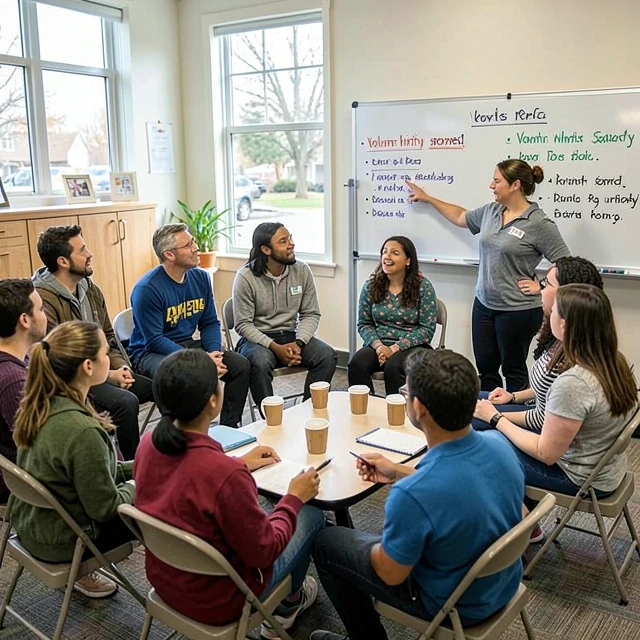
Finding volunteers starts with knowing your audience. Use social media, community events, and partnerships to spread the word. Craft messages that highlight impact: "Join us to feed 500 families this month!"
Target specific groups. Students might love flexible weekend shifts. Retirees could commit to weekly advocacy calls.
Pro tip: Screen lightly but smartly. A quick interview ensures fit and sets expectations.
From my days at the food bank, posting fun videos of past events tripled responses. People want to see the joy, not just the ask.
Train and Onboard for Confidence
New volunteers need tools to succeed. Skip this, and they feel lost. Good training builds skills and trust.
Break it down:
- Orientation session: Cover your mission, policies, and basics like safety.
- Role-specific training: Hands-on practice, like sorting donations or leading tours.
- Ongoing support: Pair newbies with mentors for the first few weeks.
The Administration for Strategic Preparedness and Response (ASPR) at HHS outlines core competencies, including multi-modal training that mixes online modules with in-person drills. Studies show this approach boosts positive attitudes and retention.
I've seen shy recruits turn into leaders after one solid session. Invest here—it pays off.
Keep Volunteers Engaged and Retained
Retention is where programs shine or fade. The average volunteer sticks around for about 65% of their first year, per data from the Corporation for National and Community Service (now AmeriCorps). But you can beat that.
Focus on connection:
- Regular check-ins: Ask for feedback monthly. What works? What doesn't?
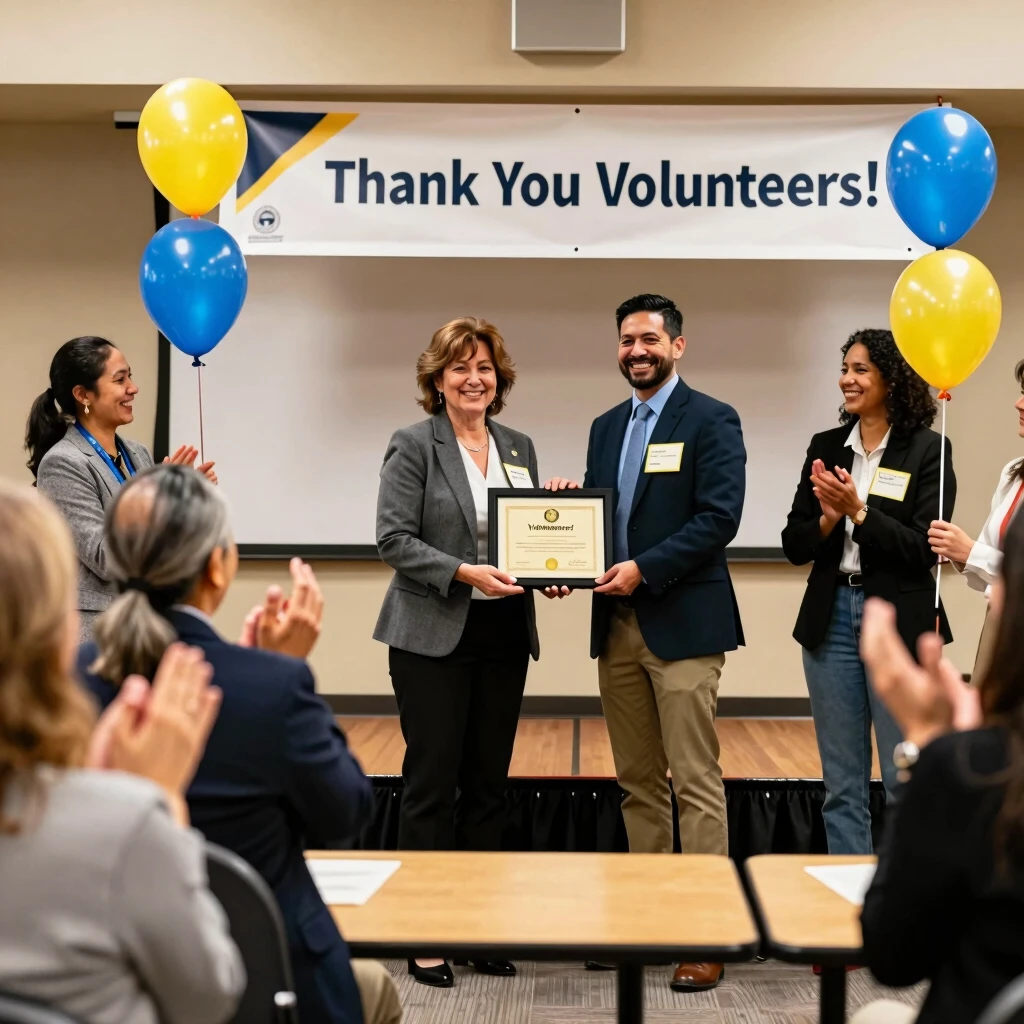
- Recognition rituals: Shout-outs in newsletters or small thank-you notes go far.
- Variety in tasks: Rotate roles to fight boredom.
- Social events: Potlucks or team-building walks build bonds.
Combining advocacy with volunteer work amps this up. Train your team to share stories online or lobby for policy changes. It gives purpose beyond tasks.
In one campaign I led, we paired soup kitchen shifts with letter-writing for food policy reform. Volunteers felt like change-makers, not just servers. Turnover dropped 30% that year.
Combining Advocacy with Volunteer Work
Advocacy turns volunteers into amplifiers. It's not just handing out flyers—it's empowering them to speak up.
Start small: Host workshops on writing op-eds or testifying at hearings. Link it to their service: A shelter volunteer might advocate for housing funds.
Benefits? Deeper commitment and wider reach. Volunteers who blend hands-on work with advocacy report higher satisfaction.
The Penn State Extension on nonprofit volunteer management stresses clear feedback loops, which fit perfectly here. Guide volunteers, then let them lead.
Measure Success and Adapt
Track what matters: hours logged, tasks completed, feedback scores. Use simple tools like surveys or apps.
The National Park Service's volunteer program guidelines emphasize reporting and evaluation for continuous improvement. They assign clear roles, from park managers to supervisors, ensuring accountability.
Celebrate wins, like a 20% rise in participation. Adjust based on data—maybe more evening shifts if that's popular.
My tip: Share results with volunteers. It shows their work counts.
Tackle Common Challenges
Every program hits bumps. Low turnout? Amp up outreach with partners.
Burnout? Watch for signs and offer breaks. Diversity gaps? Reach underrepresented groups through targeted invites.
Stay proactive. Build a support network—maybe a volunteer advisory group—to spot issues early.
Remember, flexibility is your friend. Adapt as you grow.
Wrapping Up: Your Path to Impact
Building effective volunteer programs takes effort, but the rewards—stronger communities, empowered teams—are worth it. Start planning today, recruit with heart, and watch your mission thrive. You've got this.