Building Leadership Skills Through Volunteer Work
Discover how volunteering and service learning can transform you into a confident leader while making a real difference in your community. This guide explores practical ways to develop essential skills through hands-on experiences.
3 min read
Overview
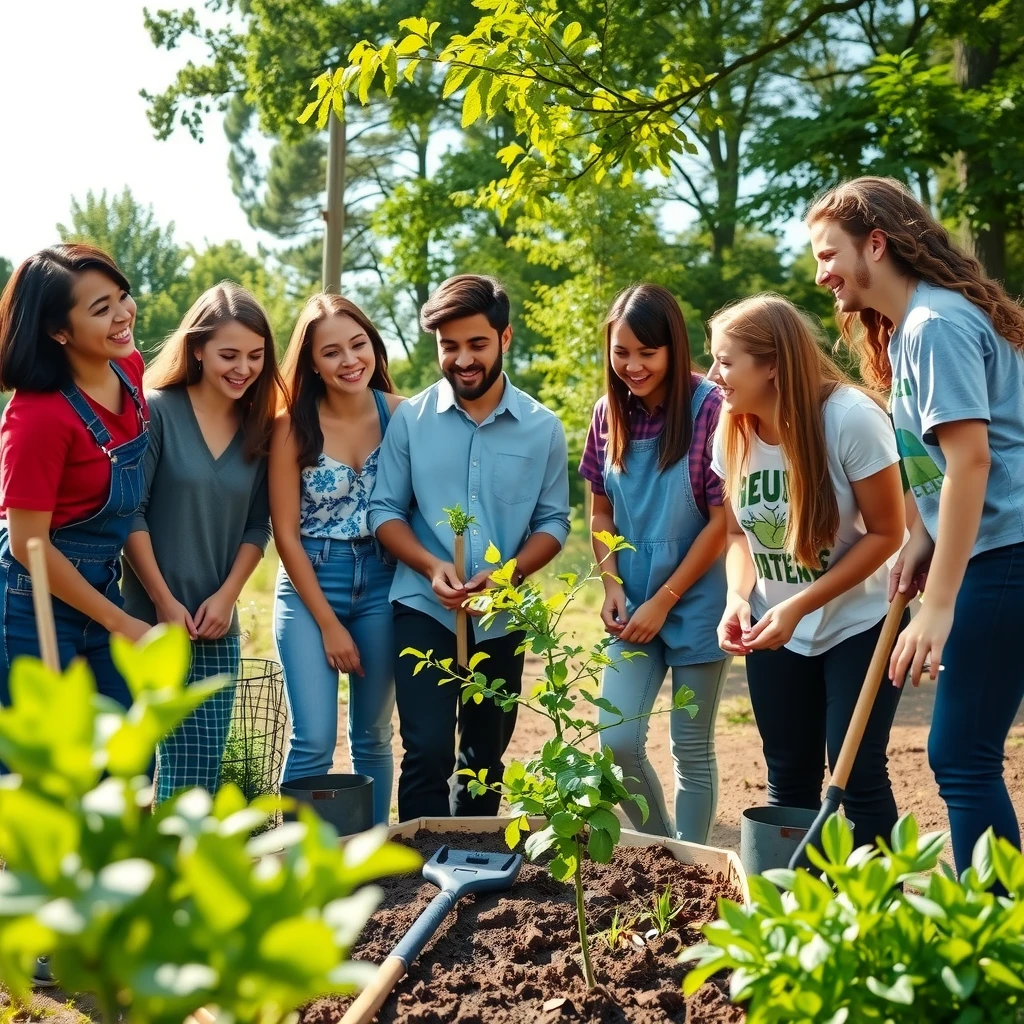
Volunteer work offers a powerful way to build leadership skills. By stepping up to help others, you practice decision-making, teamwork, and motivation in real-world settings. This article explores how building leadership skills through volunteer work leads to personal growth and community impact. (38 words)
Many people think leadership comes only from jobs or classes. But volunteer opportunities provide a unique training ground. You lead without high stakes, make mistakes safely, and see direct results from your efforts.

Why Volunteer Work Builds Strong Leaders
Volunteering puts you in charge of tasks that matter. You organize events, guide teams, and solve problems on the spot. These actions sharpen key leadership traits like communication and adaptability.
Research shows strong links between volunteering and leadership growth. For example, studies highlight how service learning fosters leadership in students through real experiences.
One key study from the Journal of Higher Education Outreach and Engagement found that students in service-learning programs felt better prepared for leadership roles by integrating their values with community work. Read the exploratory investigation on leadership development in service-learning.
Another paper discusses how service learning helps develop leadership skills using learning communities and feedback. Explore leadership skills development through service learning.
Key Skills You Gain from Volunteering
Here are some core leadership skills that grow through volunteer work:
- Communication: You explain ideas clearly to diverse groups.
- Team Building: You motivate volunteers who choose to help, not because they must.
- Problem-Solving: Limited resources force creative solutions.
- Empathy: Working with different people builds understanding.
Use this simple table to see common volunteer roles and matching skills:
| Volunteer Role | Leadership Skill Developed |
|---|---|
| Event Organizer | Planning and Delegation |
| Team Coordinator | Motivation and Conflict Resolution |
| Mentor for New Volunteers | Teaching and Feedback |
| Project Leader | Decision-Making and Accountability |
Service Learning: Taking It Further
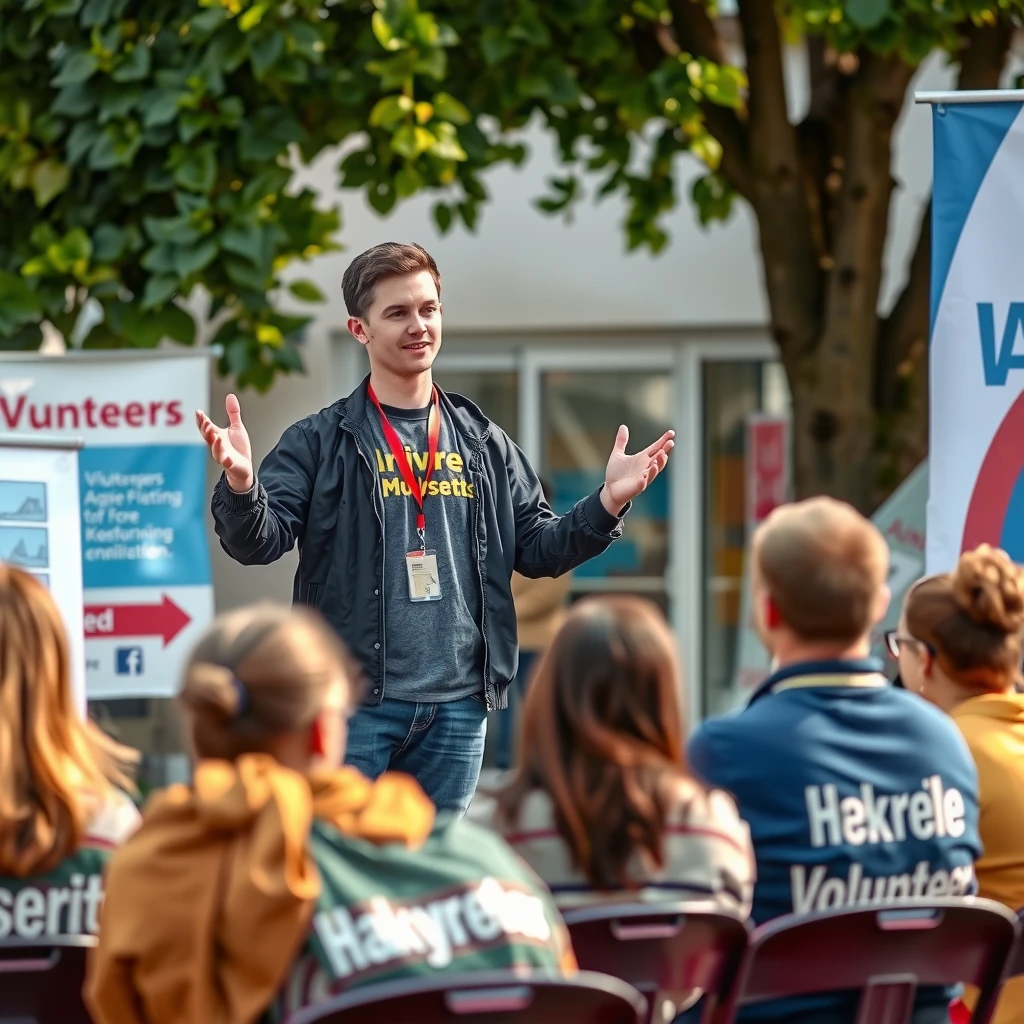
Service learning combines volunteering with education. In service learning experiences in education, students apply classroom knowledge to community needs while reflecting on the process.
This approach creates deeper growth. Service learning and civic engagement: a pathway to social change helps people drive real improvements in society.
Universities often include service learning in courses. Frameworks like the Pathways of Public Service and Civic Engagement from Stanford's Haas Center show multiple ways to contribute, including community-engaged learning. Learn about Pathways of Public Service and Civic Engagement.
A case study on developing servant leadership through service learning highlights how reflection turns experiences into lasting skills. Review the case study on servant leadership in service learning.
Personal Insights: My Experience with Volunteering
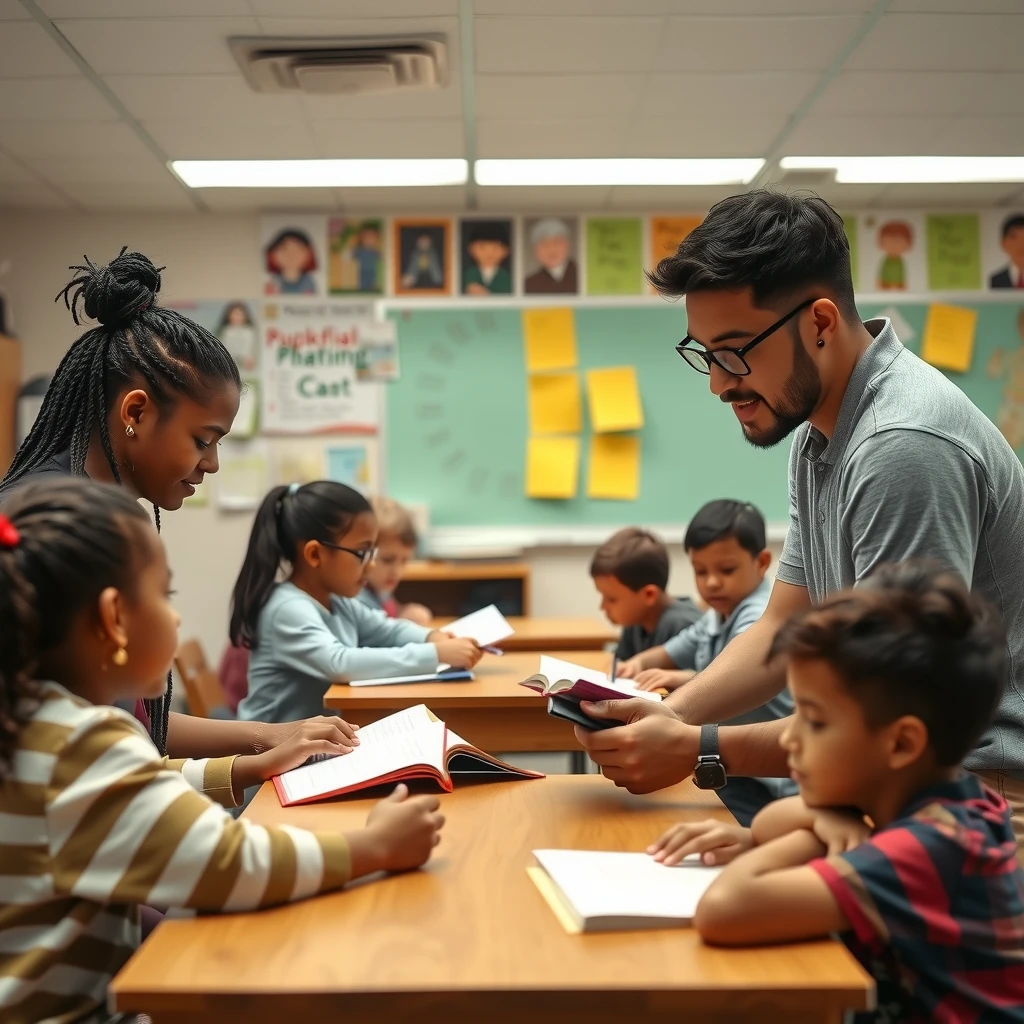
I once volunteered at a local food bank. At first, I sorted donations. Soon, I led a team of new volunteers. I learned to delegate tasks, handle shortages calmly, and celebrate small wins. These moments built my confidence more than any workshop.
Another time, during a community cleanup, unexpected rain hit. We adapted quickly, moving indoors to plan future events. That taught me resilience—a must-have for leaders.
These stories show anyone can start small and grow. Begin with what interests you, like animals, environment, or youth programs.
How to Get Started and Maximize Growth
- Choose causes you care about—this keeps you motivated.
- Seek roles with responsibility, like leading a shift.
- Reflect after each session: What went well? What can improve?
- Ask for feedback from peers and supervisors.
- Track your progress in a journal.
Many find that consistent volunteering leads to bigger roles naturally.
Overcoming Common Challenges
Volunteering isn't always easy. Burnout happens if you overcommit. Set boundaries and say no when needed.
Diverse teams bring different views, which can cause friction. Use it as a chance to practice inclusive leadership.
The Bigger Impact: Driving Social Change
Building leadership skills through volunteer work does more than help you. Strong leaders create lasting change. Service learning and civic engagement: a pathway to social change empowers communities.
Your efforts inspire others to join, creating a ripple effect.
Summary
Volunteer work is a proven, accessible way to develop leadership. Through hands-on roles and reflection, you gain skills that benefit your career and community. Start today—find a local opportunity and step up. The rewards are huge for everyone involved.