Building Long-Term Volunteer Habits That Last: Your Complete Guide
Discover practical strategies for Building Long-Term Volunteer Habits That Last. Learn Effective Ways to Start Volunteering in Your Community, combine advocacy with volunteer work, and create meaningful impact that endures.
3 min read
Building Long-Term Volunteer Habits That Last requires more than good intentions. It demands smart planning, realistic goals, and a deep connection to your chosen cause. This guide shares actionable steps to help you start strong and stay committed for years to come.
Volunteering brings joy, purpose, and connection. Yet many people begin with enthusiasm only to fade after a few months. The secret lies in turning one-time service into a sustainable habit. Whether you want to help local shelters, clean parks, or support education, the right approach makes all the difference.
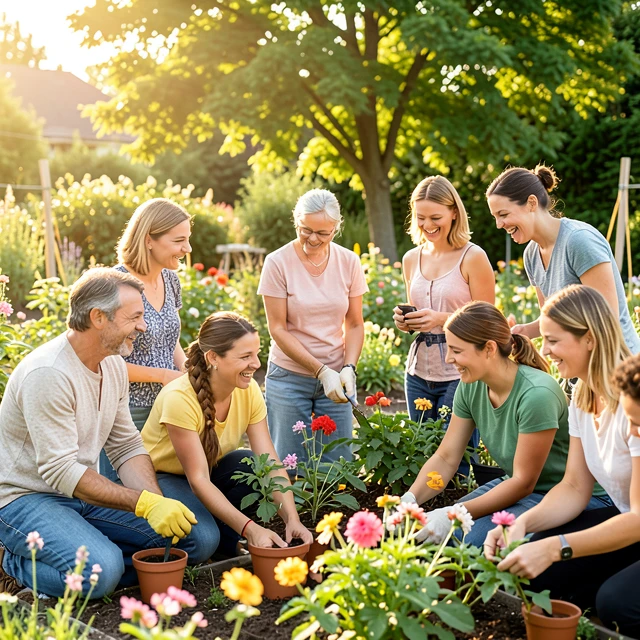
Effective Ways to Start Volunteering in Your Community begin with self-reflection. Ask yourself what matters most to you. Do you love working with children, animals, the environment, or seniors? Matching your interests to opportunities prevents early burnout.
Start small. Instead of committing to weekly shifts right away, begin with a single event or a two-hour monthly project. Success in these modest beginnings builds confidence and creates positive associations with volunteering.
Research local organizations through community boards, libraries, or online volunteer matching platforms. Visit in person if possible to feel the atmosphere. Speak with current volunteers about their experiences. This due diligence helps you choose the right fit.

Building routines makes volunteering automatic. Schedule it like any important appointment. Many successful long-term volunteers block the same time slot every month or week. Consistency transforms effort into identity—you become someone who volunteers.
Track your impact. Keep a simple record of hours given, people helped, or skills learned. Seeing tangible progress keeps motivation high during busy or challenging periods. Apps or a dedicated notebook work well for this purpose.
Personal insight: I once volunteered sporadically at food banks but only committed fully after linking it to my value of fighting hunger. Pairing my actions with a core belief created staying power that casual interest never could.
Overcoming common obstacles is crucial for longevity. Time constraints top the list. Combat this by choosing flexible organizations or micro-volunteering tasks you can complete from home, like virtual mentoring or data entry for nonprofits.
Fatigue and burnout affect even dedicated volunteers. Combat them with boundaries. Learn to say no to extra shifts when needed. Rotate between different types of volunteer activities to keep things fresh and prevent monotony.
Combining advocacy with volunteer work creates powerful synergy. Direct service shows you the real human impact behind the issues. This firsthand knowledge strengthens your voice when you speak at council meetings, write letters, or join campaigns.
For example, tutoring children in underfunded schools naturally leads to advocating for better education funding. Food distribution work informs effective hunger-relief policy advocacy. The combination of hands-on volunteer efforts and advocacy multiplies your influence.

Create accountability systems. Partner with a friend for joint volunteering. Join a group with regular check-ins. Share your goals publicly on social media or with family. External support reinforces personal commitment.
Here are key strategies for success:
- Set specific, measurable goals like 'volunteer 24 hours per quarter'
- Celebrate milestones with small rewards
- Reflect quarterly on what’s working and what needs adjustment
- Continuously learn new skills through volunteer roles
- Connect with other volunteers for friendship and support
Seasoned volunteers emphasize the importance of flexibility. Life changes—new jobs, family responsibilities, health shifts. Adapt your volunteer commitment rather than quitting entirely. Even reduced hours maintain the habit.
Measure success beyond hours. Long-term volunteers often report improved mental health, stronger community ties, new friendships, and valuable career skills. These personal benefits sustain engagement when external rewards feel distant.
Organizations also play a role in retention. The best ones provide proper training, meaningful tasks, recognition, and feedback. If your current placement lacks these elements, consider switching or discussing improvements with leaders.
In summary, Building Long-Term Volunteer Habits That Last happens through intentional choices, realistic expectations, and genuine connection to purpose. Start small, stay consistent, combine direct service with advocacy when possible, and adjust as life evolves. Your sustained efforts create ripples of positive change in your community and within yourself.