Building Soft Skills Through Volunteering: A Path to Personal and Professional Growth
Discover how volunteering can enhance soft skills like communication, empathy, and adaptability. Learn to master a language while volunteering abroad, explore the top benefits of volunteer work and travel, and unlock personal growth through international volunteering experiences.
5 min read
Overview
Volunteering isn’t just about giving back—it’s a powerful way to grow personally and professionally. By engaging in volunteer work, you can build essential soft skills like communication, empathy, and adaptability while making a meaningful impact. This article explores how volunteering, especially abroad, sharpens these skills and offers tips to maximize your experience.
Why Volunteering Builds Soft Skills
Soft skills—like communication, teamwork, and problem-solving—are the human traits that make you effective in any workplace or community. Unlike hard skills, which are technical and measurable, soft skills shape how you interact with others. Volunteering puts you in real-world situations where these skills are tested and strengthened. Whether you’re organizing a local event or volunteering abroad, you face challenges that demand flexibility, emotional intelligence, and clear communication.
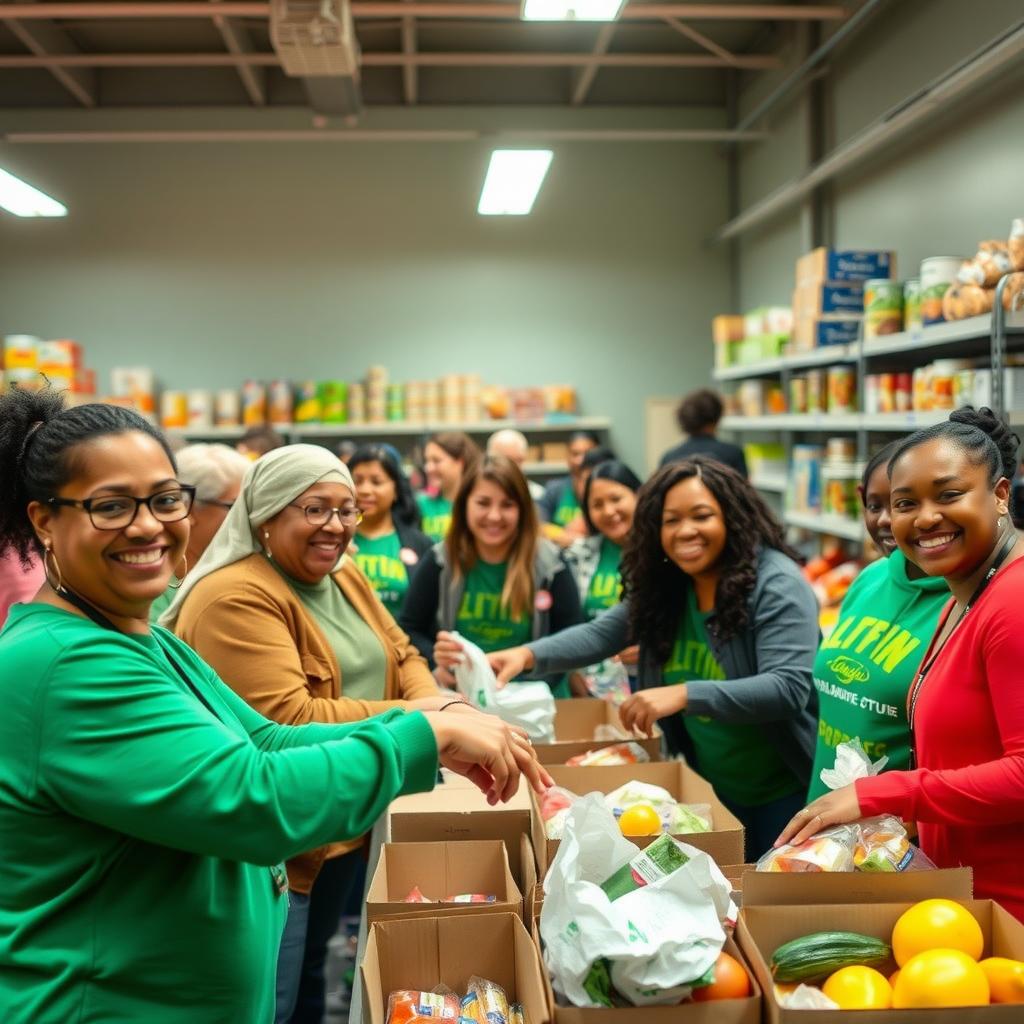
For example, when I volunteered at a community food bank, I had to coordinate with a diverse team to serve hundreds of people in a single day. We faced language barriers, tight schedules, and emotional moments with clients. Those experiences taught me how to listen actively, stay calm under pressure, and adapt quickly—skills that later helped me in my professional life.
Top Soft Skills You Gain Through Volunteering
Volunteering offers a unique environment to develop soft skills that employers and communities value. Here are five key skills you can build:
| Skill | How Volunteering Helps |
|---|---|
| Communication | Explaining tasks, writing newsletters, or speaking at events hones clear and persuasive communication. |
| Empathy | Working with diverse groups helps you understand different perspectives and builds compassion. |
| Adaptability | Navigating new environments or unexpected challenges strengthens your ability to adjust. |
| Teamwork | Collaborating with others toward a shared goal fosters cooperation and conflict resolution. |
| Leadership | Leading projects or mentoring others develops decision-making and motivational skills. |
These skills don’t just look good on a resume—they make you a better colleague, friend, and community member.
Master a Language While Volunteering: Top Tips
Volunteering abroad offers a unique chance to learn a new language while making a difference. Immersing yourself in a culture where the language is spoken accelerates learning in ways textbooks can’t match. A study from the University of Chicago found that immersive environments can improve language fluency faster than classroom settings.
Here’s how to master a language while volunteering: - Choose a program in a native-speaking country: Opt for destinations like Spain for Spanish or Japan for Japanese to practice daily. - Engage with locals: Talk to community members, shop at local markets, or join cultural events to practice conversational skills. - Take a language course alongside volunteering: Organizations like Maximo Nivel offer intensive language programs paired with volunteer work. - Use language apps for reinforcement: Apps like Duolingo can supplement your real-world practice.
When I volunteered in Peru, I joined a program with Maximo Nivel to work with indigenous communities. I took their Spanish immersion course and practiced with locals daily. By the end of four weeks, I could hold basic conversations—a skill that boosted my confidence and opened career opportunities.

Top Benefits of Volunteer Work and Travel
Volunteer work and travel, especially international volunteering, offer rewards beyond skill-building. Here are the top benefits: 1. Cultural Immersion: Living in a new country exposes you to customs, foods, and traditions, broadening your worldview. 2. Networking Opportunities: You meet professionals, volunteers, and locals who can become lifelong connections. 3. Personal Growth: Facing challenges like culture shock or language barriers builds resilience and self-awareness. 4. Career Boost: A LinkedIn survey found that 75% of employers value volunteer experience, as it shows initiative and diverse skills. 5. Affordable Travel: Many programs, like Worldpackers, offer accommodation in exchange for volunteer work, making travel accessible.
When I traveled to Zambia for a healthcare outreach program, I didn’t just improve my interpersonal skills—I formed friendships with locals and volunteers from around the world. Those connections still inspire me today.
Overcoming Challenges in Volunteering
Volunteering isn’t always easy. You might face time constraints, emotional burnout, or unclear roles. Here’s how to tackle common obstacles: - Time Management: Set a realistic schedule and choose flexible opportunities, like weekend events. - Burnout: Take breaks and practice self-care, like journaling or exercise, to stay energized. - Lack of Direction: Ask for clear goals from the organization and take initiative to define your role.
By addressing these challenges, you ensure a rewarding experience that maximizes skill development.
International Volunteering: A Gateway to Growth
International volunteering takes skill-building to another level. Programs like GoEco or International Volunteer HQ place you in diverse settings—think teaching in Thailand or conservation in Costa Rica. These experiences push you out of your comfort zone, forcing you to adapt, communicate, and solve problems in unfamiliar environments.
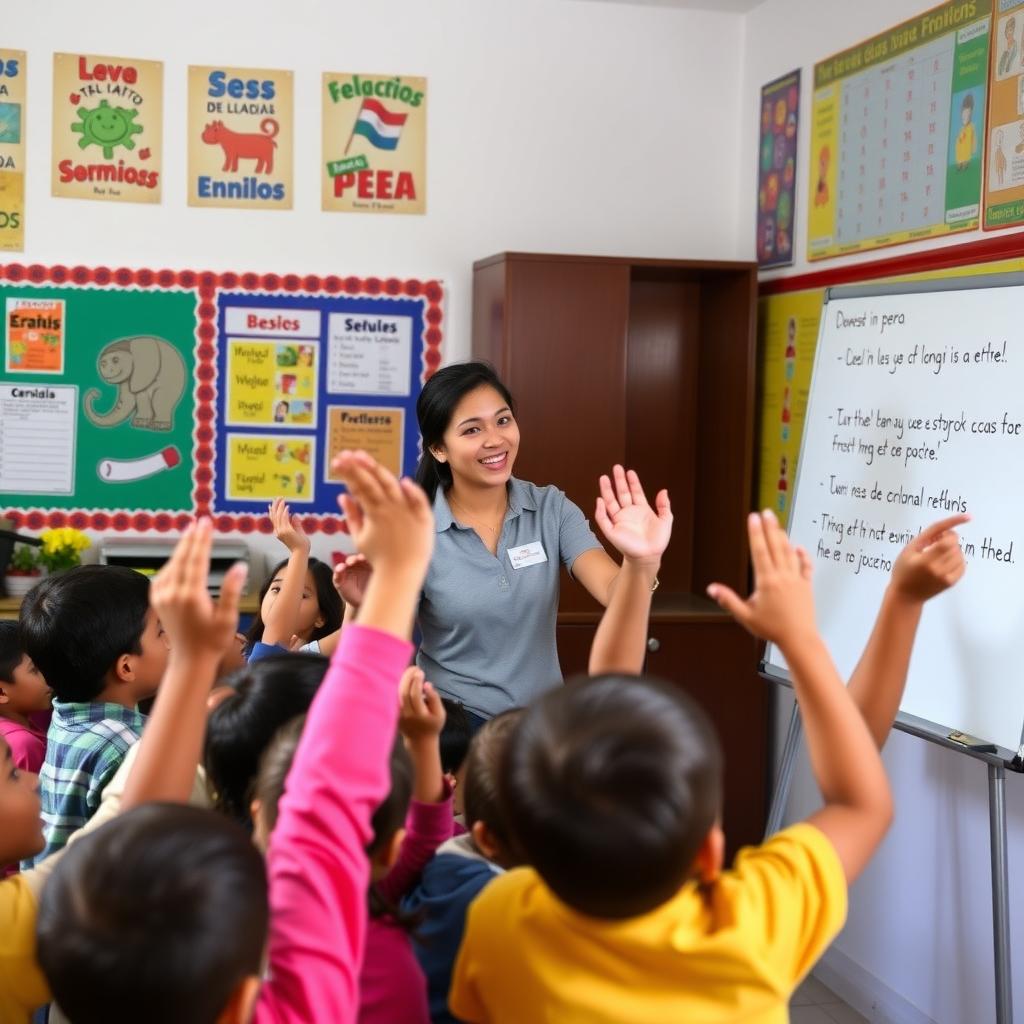
A Harvard Business Review article highlights that cross-cultural competence, gained through international volunteering, is essential for leadership in today’s global economy. My time in Cambodia, teaching English to underprivileged children, taught me to navigate cultural differences with sensitivity. I learned to read non-verbal cues and adjust my teaching style, skills I now use in professional settings.
How to Get Started with Volunteering
Ready to start building soft skills through volunteering? Follow these steps: 1. Identify Your Interests: Choose a cause you care about, like education, healthcare, or environmental conservation. 2. Research Opportunities: Platforms like VolunteerMatch connect you with local and international programs. 3. Start Small: Try a one-day event to test the waters before committing to long-term projects. 4. Set Goals: Decide which skills—like leadership or language fluency—you want to develop. 5. Reflect and Grow: Keep a journal to track your progress and insights.
Start with a local opportunity or dive into international volunteering to volunteer abroad and learn a language. The key is to take the first step and embrace the journey.
Summary
Volunteering is a win-win: you make a difference while building soft skills like communication, empathy, and adaptability. Whether you volunteer locally or abroad, you gain experiences that enhance your career and personal life. International volunteering, in particular, offers unique opportunities to master a language and grow through cultural immersion. Start today, and watch your skills—and impact—soar.