Building Your Resume Through Community Service: A Practical Guide for Students and Young Professionals
Discover how community service can strengthen your resume, develop valuable skills, and make you stand out to colleges and employers. Learn actionable steps to find opportunities and highlight your volunteer experience effectively.
3 min read
Why Community Service Matters for Your Future
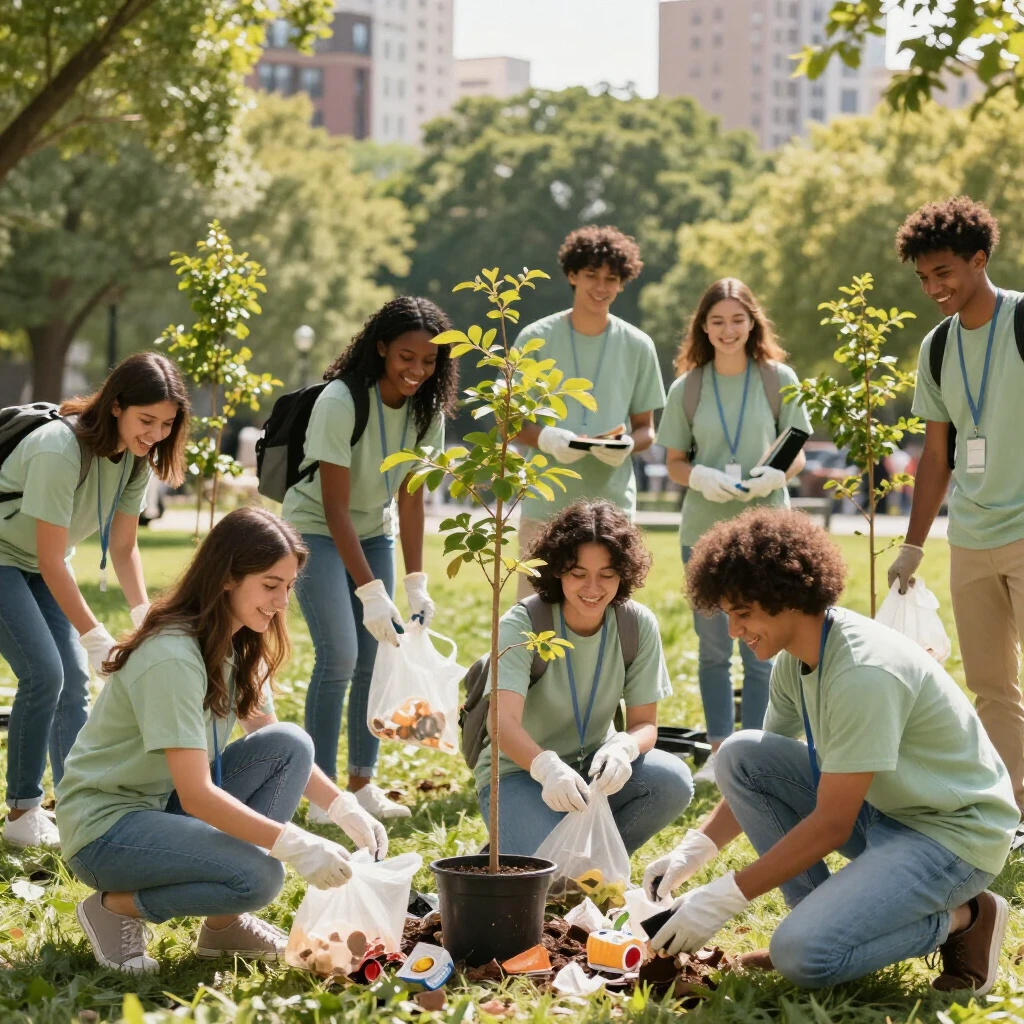
Community service isn't just about giving back—it's a powerful way to build a stronger resume. Many students and young professionals use volunteer work to gain real-world skills, show leadership, and demonstrate commitment. This guide shows you how.

The Real Benefits of Volunteering
When you volunteer, you gain more than good feelings. Employers and colleges look for candidates who go beyond grades and test scores. Community service proves you can work with others, solve problems, and take initiative.
Studies from the Corporation for National and Community Service show that people who volunteer regularly have a 27% higher chance of finding a job. That's because volunteer work fills in gaps on your resume, especially if you have limited paid experience.
Skills You Actually Build
Here are some key skills you develop through community service:
- Communication: Talking with team members, organizers, and the people you help.
- Leadership: Organizing events or leading a group of volunteers.
- Teamwork: Working alongside people from different backgrounds.
- Problem-solving: Handling unexpected challenges during projects.
- Time management: Balancing volunteer hours with school or work.
These are the exact skills employers mention most when hiring entry-level candidates.
Finding the Right Volunteer Opportunities for College Students
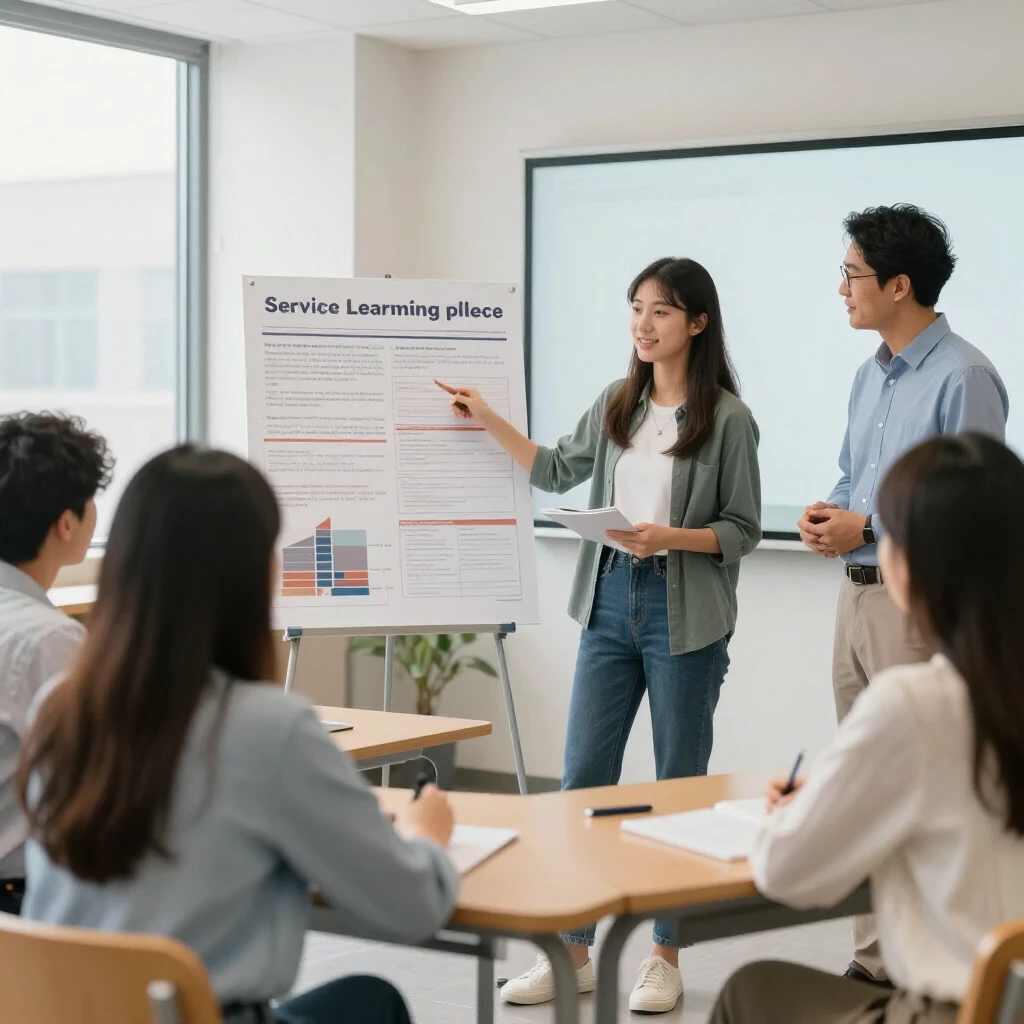
The best volunteer opportunities for college students match your interests and schedule. Start close to home—many campuses have service-learning programs that combine volunteering with academic credit.
Service learning connects classroom lessons to real community needs. For example, an environmental science student might monitor local water quality, while a business major could help a nonprofit with marketing.
Where to Look for Opportunities
Use these reliable sources to find volunteer roles:
- Your college's community service office or student affairs department
- Websites like VolunteerMatch.org and Idealist.org
- Local nonprofits, food banks, animal shelters, and hospitals
- National programs like AmeriCorps or Habitat for Humanity
- Apps such as Points of Light or local city volunteer portals
Start small. Even 4-6 hours per month can make a difference on your resume.
Turning Volunteer Work into Resume Gold
The secret is not just doing the work—it's showing the impact. Don't just list "volunteered at food bank." Instead, write about what you accomplished.
Strong example:
"Coordinated weekend food distribution for 150 families monthly at Downtown Food Bank, improving efficiency by creating a new check-in system that reduced wait times by 30%."
This shows leadership, problem-solving, and measurable results.
How to Describe Your Experience
Use this simple formula for each volunteer role:
- Action verb + What you did + Result or impact
Examples:
- Organized → weekly tutoring sessions → helping 20 elementary students improve reading scores
- Led → team of 12 volunteers → to build three homes with Habitat for Humanity
- Developed → social media campaign → increasing event attendance by 40%
Keep descriptions short—2-3 lines maximum.
Making Community Service Part of Your Story
When interviewers ask "Tell me about yourself," your volunteer work gives you powerful stories to share. I once helped organize a campus blood drive that collected 80 units—enough to help save up to 240 lives. That experience taught me event planning, marketing, and staying calm under pressure.
These stories make you memorable. They show your values and character, which matter just as much as technical skills.
Common Mistakes to Avoid
Many people undervalue their volunteer work. Here are mistakes I see often:
- Listing only basic duties without impact
- Putting volunteer work under "Other Activities" instead of a dedicated section
- Forgetting to include leadership roles or special projects
- Not asking for letters of recommendation from supervisors
Treat volunteer positions like paid jobs—they deserve the same attention on your resume.
Getting Started Today
Ready to begin building your resume through community service? Take these steps:
- Identify causes you care about
- Research 2-3 organizations that match your interests
- Contact them and ask about current volunteer needs
- Commit to a regular schedule you can maintain
- Track your hours, responsibilities, and achievements
- Update your resume after each major project
Remember: consistency matters more than total hours. Regular volunteering over months or years looks better than one big project.
Final Thoughts
Community service offers one of the best ways to strengthen your resume while making a real difference. Whether you're applying to college, graduate school, or your first job, meaningful volunteer experience helps you stand out.
Start small, stay consistent, and focus on impact. The skills and stories you gain will serve you throughout your career.