Case Studies: Successful Advocacy Campaigns
Explore inspiring real-world examples of advocacy campaigns that drove meaningful change. Learn key strategies, storytelling techniques, persuasion tips, and essential skills needed for advocacy volunteering to create your own impact.
4 min read
Overview
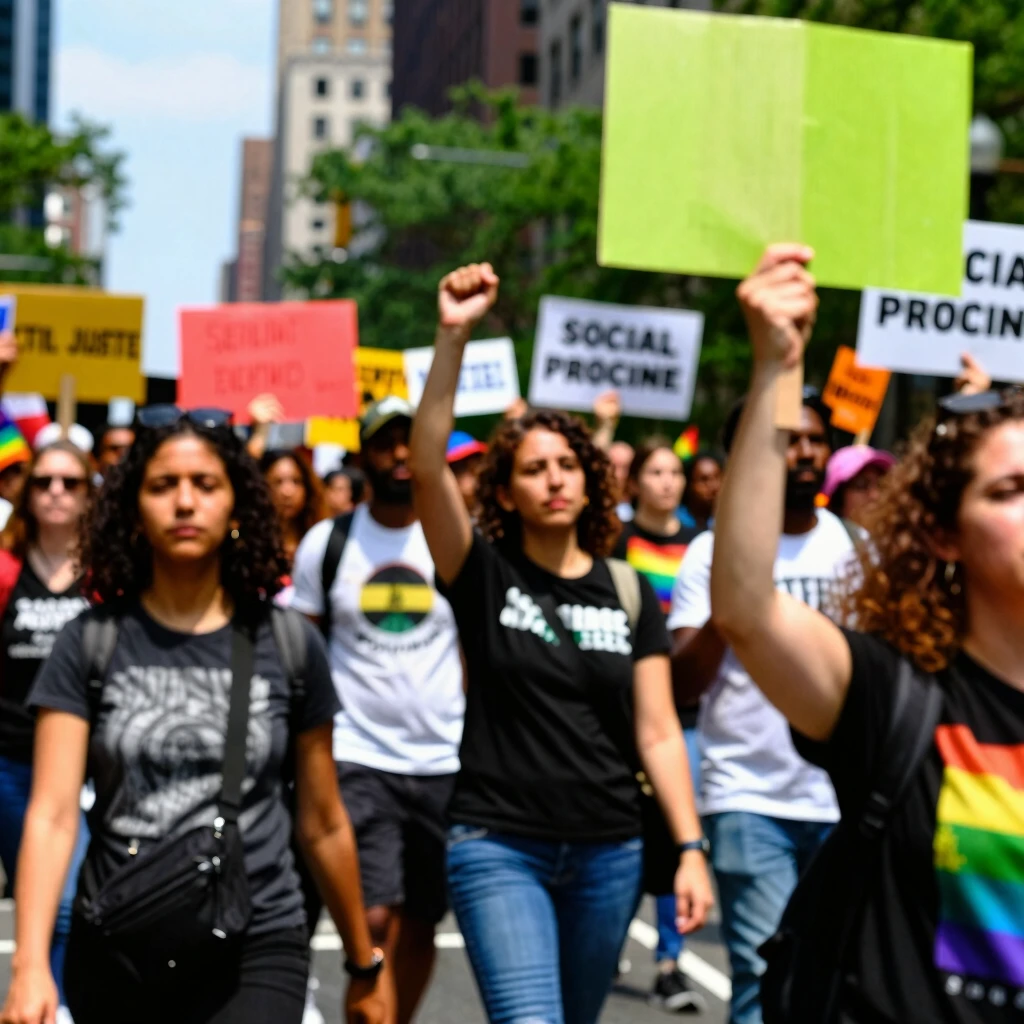
Advocacy campaigns have the power to shift policies, change minds, and improve lives. This article dives into proven Case Studies: Successful Advocacy Campaigns, revealing what makes them work and how you can apply those lessons today.

Successful advocacy starts with a clear goal and a compelling story. Over the years, many campaigns have turned passion into action, leading to real-world victories.
Let's look at some standout examples that show how ordinary people can create extraordinary change.
1. The #MeToo Movement: Amplifying Voices for Change
Started by Tarana Burke in 2006 and exploding globally in 2017, #MeToo encouraged survivors of sexual harassment and assault to share their stories. The simple hashtag sparked millions of posts, exposing widespread issues and holding powerful figures accountable.
Key to its success? How to Tell Stories That Inspire Action. Personal testimonies built empathy and urgency, turning individual experiences into a collective demand for justice. Laws changed, workplace policies improved, and conversations about consent became mainstream.
From my perspective, this campaign shows the raw power of vulnerability. When people share authentically, others listen and act.
2. Fridays for Future: Youth Leading Climate Action
Greta Thunberg began skipping school on Fridays to protest outside Sweden's parliament in 2018. Her solo strike inspired millions of students worldwide to join school strikes for climate action.
The movement pressured governments to commit to stronger environmental policies. It highlighted youth voices and used striking visuals of young people marching.
This is a masterclass in The Art of Persuasion: Tips and Tricks. Greta's straightforward, fact-based speeches combined emotion with science, making complex issues relatable. Persistence paid off—world leaders had to respond.

3. The Great Bear Rainforest Agreement: Protecting Nature Through Coalition
In Canada's British Columbia, First Nations, environmental groups, and even logging companies worked together for over a decade to protect the Great Bear Rainforest.
By 2016, they secured protection for 85% of the remote temperate rainforest—one of the largest conservation wins ever.
Success came from building unlikely alliances and focusing on shared benefits. It proves that compromise and long-term commitment can deliver massive results.
4. End Rape on Campus (EROC): Streamlining Civic Engagement
EROC made it easy for supporters to submit comments on Title IX regulations, driving over 6,000 responses. This grassroots effort influenced U.S. campus safety policies.
They simplified a complex process, showing how removing barriers boosts participation.
Common Threads in These Successes
What ties these campaigns together?
- Clear, Emotional Messaging: They used stories to connect hearts and minds.
- Strategic Use of Media: From hashtags to strikes, they leveraged tools that spread fast.
- Inclusive Coalitions: Bringing diverse groups together amplified voices.
- Persistence: Change rarely happens overnight.
These Case Studies: Successful Advocacy Campaigns remind us that impact starts small but grows with dedication.
How to Tell Stories That Inspire Action
Great advocacy hinges on storytelling. Facts inform, but stories move people.
Here are actionable tips:
- Start with a personal hook—share a real person's journey.
- Build tension: Show the problem clearly.
- Offer hope: End with the change you're seeking.
- Make it relatable: Use simple language and everyday examples.
I've seen this work firsthand in local campaigns. One volunteer's story about family impact turned skeptics into supporters overnight.
The Art of Persuasion: Tips and Tricks
Persuasion isn't manipulation—it's guiding people toward truth.
- Build credibility: Back claims with reliable sources.
- Appeal to values: Frame issues around shared beliefs like fairness or family.
- Use social proof: Show how others are already on board.
- Ask for small commitments first: A signature leads to bigger actions.
Master these, and your message sticks.
How to Master Communication Skills in Advocacy
Effective advocacy demands strong communication.
Practice active listening: Understand opponents to find common ground.
Be clear and concise: Avoid jargon; speak like you're chatting with a friend.
Adapt to your audience: Tailor messages for policymakers, media, or the public.
Use multiple channels: Combine speeches, social media, and letters.
Regular practice builds confidence—join local groups to hone these skills.

Skills Needed for Advocacy Volunteering
Ready to volunteer? Here are core skills to develop:
| Skill | Why It Matters | How to Build It |
|---|---|---|
| Communication | Share messages clearly | Practice public speaking, writing |
| Empathy | Connect with affected people | Listen actively, volunteer directly |
| Research | Back arguments with facts | Read reports, use reliable sources |
| Teamwork | Build coalitions | Join group projects |
| Persistence | Overcome setbacks | Reflect on past efforts |
| Organization | Manage events and timelines | Plan personal tasks first |
These skills grow with experience. Start small—many organizations train volunteers.
Advocacy volunteering offers huge rewards: personal growth, new friends, and the satisfaction of real change.
Anyone can start. Find a cause you care about, reach out, and dive in.
Final Thoughts
These Case Studies: Successful Advocacy Campaigns prove that determined people can reshape the world. By mastering storytelling, persuasion, and communication, and building key skills needed for advocacy volunteering, you can lead the next big win.
Change starts with you—get involved today.