Case Studies: Successful Advocacy Through Collaboration
Explore how collaboration enhances advocacy efforts through real-world case studies, offering insights and strategies for effective community engagement.
3 min read

Overview
Advocacy is a powerful tool for creating change, but it can be even more effective when done collaboratively. By partnering with others, advocates can leverage diverse skills, resources, and perspectives to achieve their goals. This article explores successful advocacy through collaboration, highlighting case studies that demonstrate the power of working together. From cross-sector partnerships to grassroots campaigns and technology-driven initiatives, these examples illustrate how collaboration can lead to meaningful and lasting impact.
Case Study 1: Partnering for Community Health
In 2018, a nonprofit organization focused on public health partnered with a local government agency to address the rising rates of childhood obesity in their community. The nonprofit brought expertise in health education and community outreach, while the government agency provided access to public spaces and funding. Together, they developed a comprehensive program that included nutrition workshops, physical activity initiatives, and policy changes to promote healthy eating in schools.
The collaboration faced challenges, such as aligning different organizational cultures and navigating bureaucratic processes. However, by establishing clear communication channels and shared goals, the partners were able to overcome these obstacles. The program resulted in a significant decrease in childhood obesity rates and served as a model for other communities.
Personal Insight: The success of this collaboration hinged on the partners' willingness to listen to each other and adapt their approaches. By valuing each other's strengths and perspectives, they were able to create a program that was greater than the sum of its parts.
For more on the effectiveness of cross-sector partnerships, see this study by the Harvard Kennedy School.

Case Study 2: Grassroots Advocacy for Environmental Justice
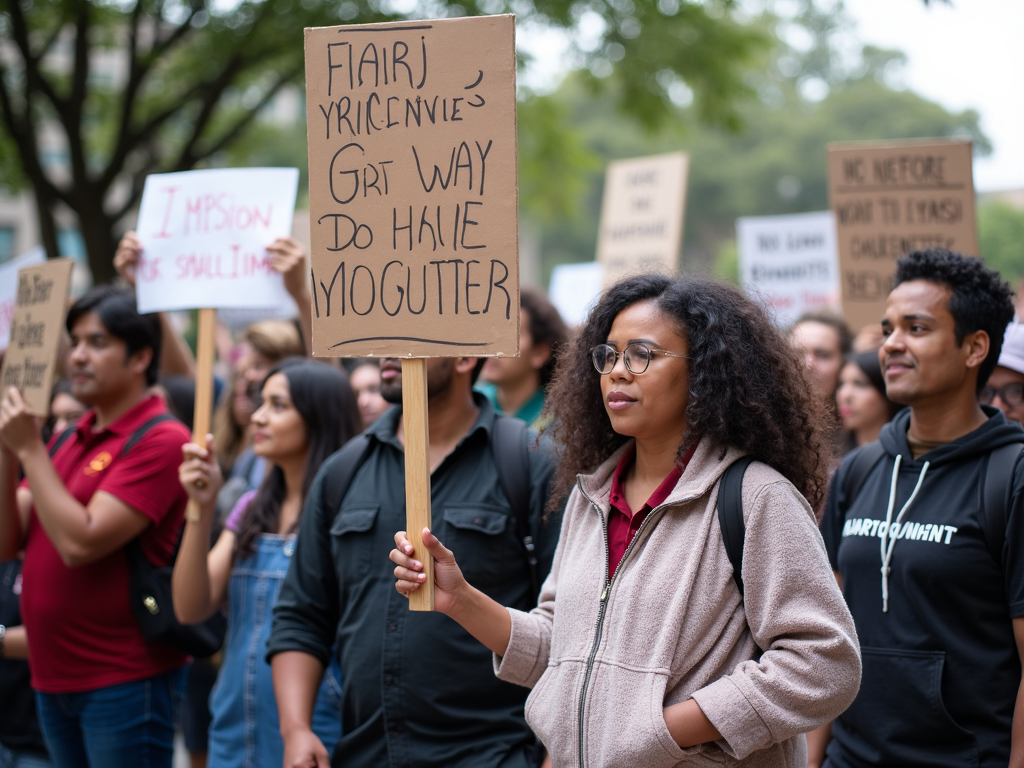
In 2020, a group of community members in a low-income neighborhood came together to advocate for cleaner air and water. They formed a coalition with local environmental organizations and recruited volunteers to help with outreach and education. The coalition organized community meetings, petition drives, and public demonstrations to raise awareness and pressure local policymakers.
The campaign faced challenges, such as limited resources and opposition from powerful industries. However, by mobilizing a diverse group of volunteers and leveraging social media, the coalition was able to amplify their message and build public support. Their efforts led to the passage of new environmental regulations and increased funding for pollution control measures.
Personal Insight: This case study highlights the power of grassroots advocacy and the importance of community involvement. By empowering volunteers and giving them meaningful roles, the coalition was able to sustain momentum and achieve their goals.
Learn more about grassroots advocacy strategies in this report by the Environmental Protection Agency.
Case Study 3: Technology-Driven Collaboration for Disability Rights
In 2022, several disability rights organizations collaborated to create an online platform that connected advocates, policymakers, and service providers. The platform facilitated information sharing, resource allocation, and joint advocacy efforts. By leveraging technology, the organizations were able to coordinate their activities more efficiently and reach a wider audience.
The collaboration faced challenges, such as ensuring accessibility and data privacy. However, by involving users in the design process and prioritizing inclusivity, the platform was able to meet the needs of its diverse user base. The platform has since become a vital resource for the disability rights community, enabling more effective advocacy and service delivery.
Personal Insight: This case study demonstrates the potential of technology to enhance collaboration in advocacy. By breaking down geographical and logistical barriers, technology can enable advocates to work together more effectively and achieve greater impact.
For insights on technology in advocacy, refer to this article by the World Health Organization.

Summary
Collaboration is a key ingredient in successful advocacy. By working together, advocates can leverage diverse skills, resources, and perspectives to achieve their goals. The case studies presented in this article illustrate the power of collaboration in different contexts, from cross-sector partnerships to grassroots campaigns and technology-driven initiatives. Whether you're an experienced advocate or just starting out, these examples provide valuable insights into how collaboration can lead to meaningful and lasting change.