Choosing the Right Volunteering Program for You: A Complete Guide to Meaningful International Experiences
Discover how to choose the right volunteering program that aligns with your skills, values, and goals. Learn practical steps for international volunteering, including tips on combining service with language learning for deeper cultural immersion.
5 min read
Thinking about making a difference while exploring the world? Choosing the Right Volunteering Program for You can feel overwhelming with so many options available. Whether you want to help communities, gain new skills, or experience personal growth, the key is finding a program that truly fits your life and passions.
This guide walks you through practical steps to make an informed decision. You'll learn how to evaluate programs, avoid common pitfalls, and even discover ways to combine volunteering with language practice for richer experiences.
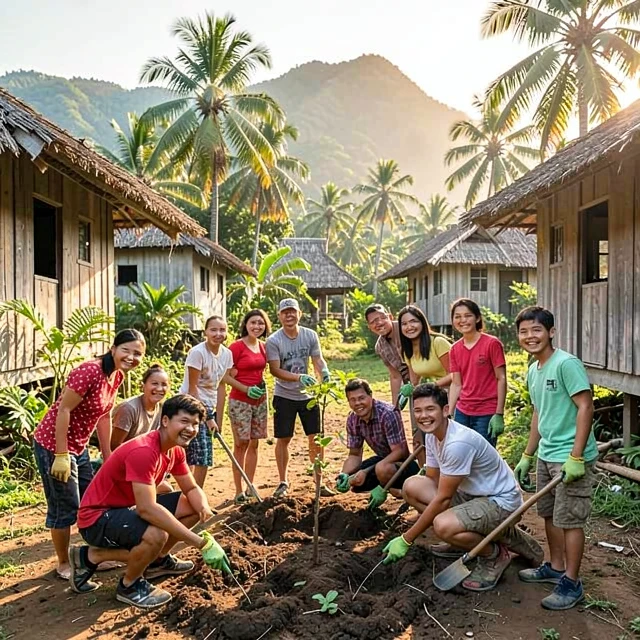
Why International Volunteering Matters
International volunteering offers more than just helping others. It lets you step outside your comfort zone, build meaningful connections, and see the world from a new perspective. Many people return home with fresh ideas, stronger confidence, and lifelong friendships.
However, not every program delivers the impact you hope for. Some focus more on tourists than local needs. How to Choose the Right Volunteering Program starts with honest self-reflection about what you want to achieve.
Start With Clear Personal Goals
Before searching online, ask yourself a few important questions:
- What causes excite me most — environment, education, health, or animal welfare?
- How much time can I commit — a week, a month, or longer?
- What skills do I bring, and what new ones do I want to learn?
- Am I comfortable with basic living conditions, or do I need more support?
Writing down your answers helps narrow thousands of options to a manageable list. For example, if you love teaching, look for education projects rather than construction work.
One volunteer I know wanted to work with wildlife but realized after research that many programs actually disrupted animal habitats. She switched to a conservation education role and felt much more fulfilled. Authentic experiences come from matching your motivations with real community needs.

Key Factors in Choosing the Right Volunteering Program
1. Research Program Ethics and Impact
Responsible programs work closely with local communities and aim for long-term benefits. Look for organizations that:
- Clearly explain how volunteers support — not replace — local workers
- Share measurable results from past projects
- Provide proper training and support
- Have transparent pricing with no hidden fees
Avoid programs that promise quick fixes or treat volunteering like a vacation package. Check reviews from past participants on independent sites.
2. Consider Your Budget and Duration
Costs vary widely. Some programs charge fees that cover housing, meals, and training. Others ask you to fundraise or cover expenses yourself.
Create a realistic budget that includes flights, insurance, visas, and daily spending. Shorter programs (1-4 weeks) suit beginners, while longer stays (3+ months) often create deeper connections.
Tip: Factor in the value of what you'll gain — skills, memories, and personal growth often outweigh the financial cost.
3. Evaluate Safety and Support
Your well-being comes first. Good programs offer:
- Pre-departure training
- 24/7 emergency contact
- Health and safety briefings
- Secure accommodation
Research the destination's current conditions through official travel advisories. Speak with returned volunteers whenever possible.
Volunteer Abroad and Learn a Language: A Powerful Combination
One of the best ways to deepen your experience is through volunteer abroad and learn a language opportunities. Immersing yourself in daily conversations accelerates learning far beyond classroom study.
Many programs in Latin America, Africa, and Asia now integrate language support. You might start your day with a short lesson and then practice while working alongside locals.
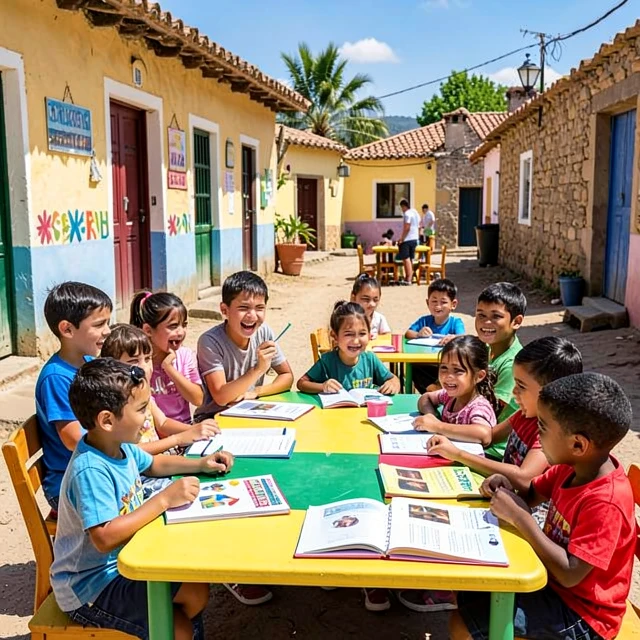
Language Learning Tips for Volunteers
Here are practical Language Learning Tips for Volunteers to make the most of your time:
-
Start basic before you go — Learn greetings, numbers, and simple phrases using free apps like Duolingo. This builds confidence quickly.
-
Practice daily immersion — Speak with host families, shop at local markets, and join community activities. Don't worry about mistakes — locals usually appreciate the effort.
-
Combine tasks with learning — If you're teaching English, ask students to teach you words in return. In conservation projects, learn nature-related vocabulary on site.
-
Use technology wisely — Translation apps help in emergencies, but try to limit them so you improve naturally.
-
Keep a journal — Write new words and phrases each evening. Review them regularly.
Volunteers who focus on language often form stronger bonds and gain deeper cultural understanding. One participant in Peru improved her Spanish dramatically while helping in a community clinic, turning everyday interactions into lessons.
Questions to Ask Program Providers
Before committing, reach out with these questions:
- How do you measure project success?
- What training and orientation do you provide?
- Can I speak with recent volunteers?
- What happens in case of an emergency?
- How do you ensure the program benefits the local community?
Clear, honest answers show a professional organization.
Common Types of International Volunteering Opportunities
Use this table to compare options:
| Type of Project | Best For | Duration Example | Language Opportunity |
|---|---|---|---|
| Teaching English | Outgoing people who enjoy kids | 2-12 weeks | High (daily practice) |
| Wildlife Conservation | Nature lovers | 4-8 weeks | Medium |
| Community Development | Hands-on helpers | 1-6 months | High in local settings |
| Healthcare Support | Those with medical interest | 4-12 weeks | Medium to high |
| Environmental Work | Eco-conscious travelers | Flexible | Varies by location |
No matter your choice, focus on programs that match your skills to actual needs. Overqualified volunteers in simple roles can feel frustrated, while underprepared ones may struggle.
Making Your Decision and Preparing for Success
Once you shortlist a few programs, compare them side by side. Read recent reviews, check accreditation if available, and trust your gut feeling.
After choosing, prepare mentally and practically. Learn about the culture, pack appropriately, and stay open-minded. Flexibility is one of the most valuable traits for successful volunteers.
International volunteering changes lives — both yours and those you help — when done thoughtfully.
In summary, Choosing the Right Volunteering Program for You requires self-awareness, research, and a focus on ethical impact. By aligning your goals with responsible opportunities and embracing Language Learning Tips for Volunteers, you set yourself up for a rewarding adventure full of growth and connection.
Take your time with the decision. The right program will feel exciting and meaningful from the start.