Civic Engagement and Learning: What Studies Show
Explore how civic engagement transforms education, backed by key studies on its benefits for students' growth, skills, and community impact. Discover best practices for integrating service learning into classrooms.
4 min read
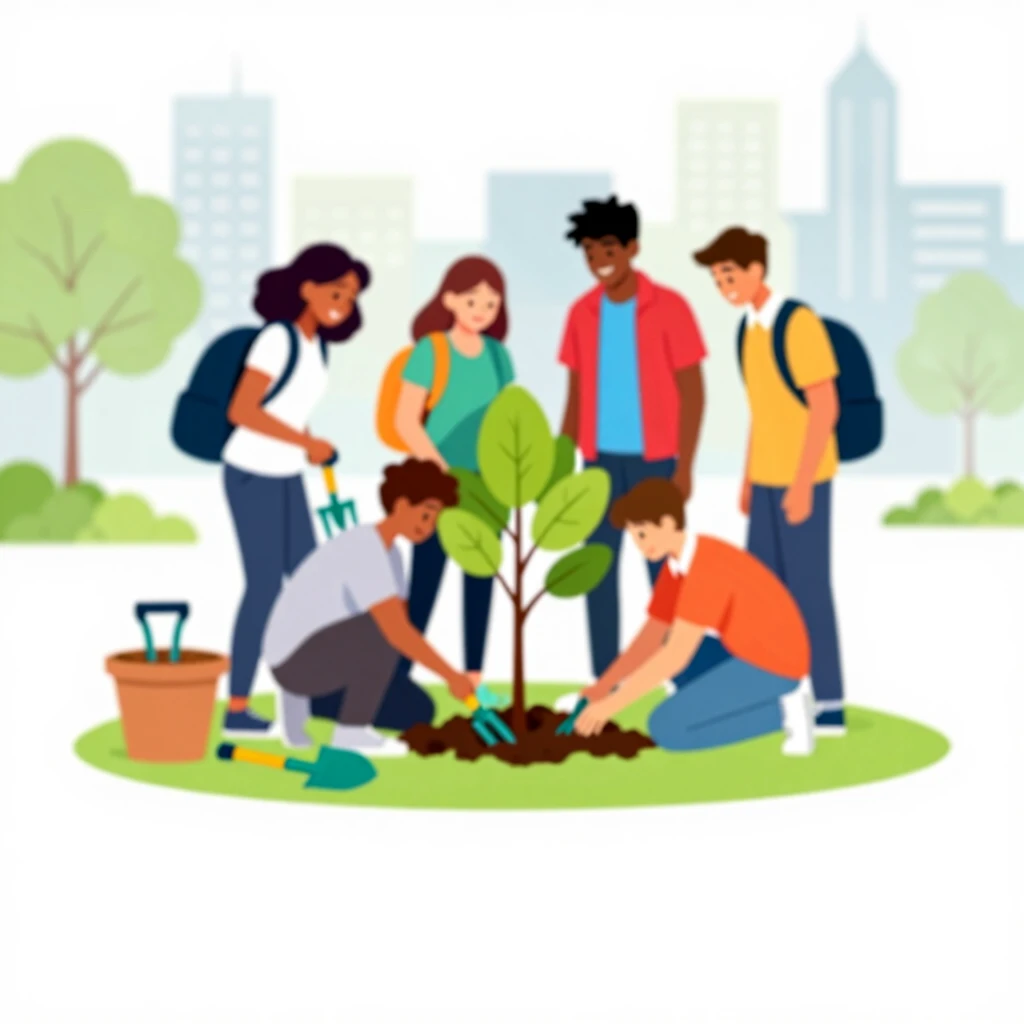
A Quick Overview
Civic Engagement and Learning: What Studies Show reveals how hands-on community work boosts student success. Research highlights better grades, stronger social skills, and lifelong civic habits. This article dives into evidence, best practices, and real tips to bring it all to life in schools.

What Does Civic Engagement Mean in Learning?
Picture a classroom where kids don't just read about change—they make it happen. Civic engagement pulls students into real-world actions like volunteering or debating local issues. It ties school lessons to community needs, sparking a fire for active citizenship.
I've seen this firsthand. As a former teacher, I watched shy teens bloom into leaders after organizing a neighborhood cleanup. They learned more about history and science through dirt under their nails than any textbook could offer. Studies back this up: when students connect academics to action, retention skyrockets.
Key Studies: The Proof in the Pudding
Civic Engagement and Learning: What Studies Show starts with solid evidence. Researchers at Tufts University's Center for Information & Research on Civic Learning and Engagement (CIRCLE) found that involved youth show higher academic performance and emotional well-being. Their data from thousands of teens links group projects to lower stress and better test scores.
Another gem comes from the Brookings Institution. They report that quality civic programs double students' chances of voting and community involvement later in life. Poor and minority students gain the most, closing equity gaps through hands-on civics.
Here's a quick list of top benefits from these studies:
- Academic Boost: 20% higher engagement in class.
- Social Skills: Better teamwork and empathy.
- Future Ready: Networks that lead to jobs and leadership roles.
- Community Wins: Stronger neighborhoods with less unemployment.
These aren't fluffy ideas—they're measurable wins that reshape lives.
Service Learning and Civic Engagement: A Perfect Pair
Service learning takes civic engagement to the next level. It's not random volunteering; it's planned work tied to class goals, followed by reflection. Think biology students testing river water for a local cleanup, then writing reports on pollution fixes.
The American Psychological Association highlights how this blend deepens knowledge and builds responsibility. Their reviews show students in service learning retain 15-20% more material than in traditional setups. Plus, it fosters civic habits that stick.
In my experience, one group of middle schoolers tutored kids at a shelter. They started with basic math but ended up advocating for better funding. That shift—from helper to changemaker—changed how they saw the world.
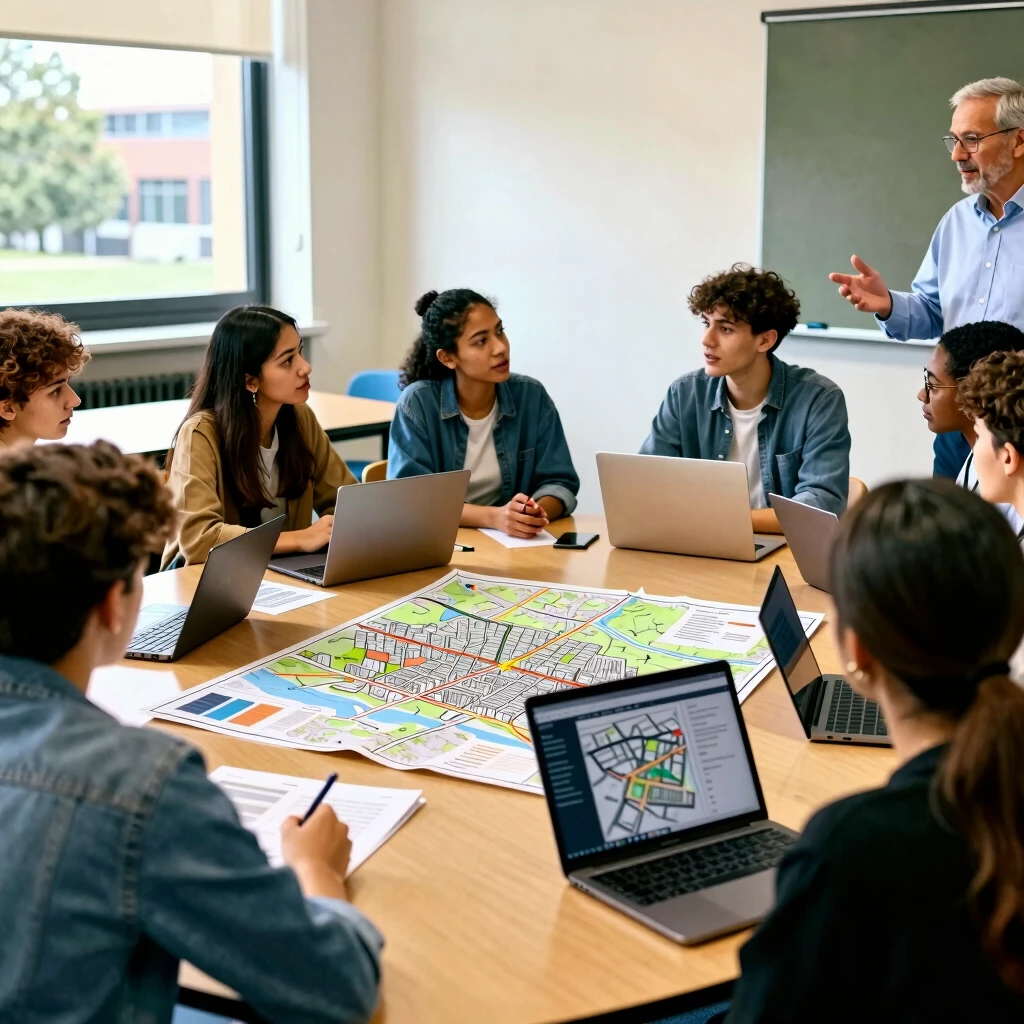
Civic Engagement in Education: Best Practices
Ready to try this in your school? Civic Engagement in Education: Best Practices come from experts like iCivics. They recommend starting with a district-wide plan: dedicate time, train teachers, and track progress.
Key steps include:
- Build Partnerships: Link with local nonprofits for real projects.
- Embed in Curriculum: Weave civics into every subject, not just social studies.
- Reflect and Assess: End activities with journals or group talks to lock in lessons.
- Make It Inclusive: Ensure every student joins, no matter their background.
The Education Commission of the States echoes this in their Six Proven Practices for Effective Civic Learning. They stress discussion-based classes and simulations, like mock trials, to build debate skills. Schools using these see 30% more student participation in elections.
Integrating Volunteer Work in Academic Curriculums
Bringing volunteer work into class isn't hard—it's smart. Start small: assign history reports based on interviews with elders. Or have art students mural a community center while studying local culture.
Studies from the University of Michigan's Ginsberg Center show this integration lifts mental health too. Teens in structured service report less anxiety and more purpose.
From my days mentoring, I recall a curriculum tweak: English classes wrote grants for school gardens. Kids researched, pitched, and planted. Grades rose, but so did their confidence. One student even started a club that still runs today.
| Integration Tip | Subject Example | Expected Outcome |
|---|---|---|
| Weekly Logs | Science | Deeper environmental awareness |
| Group Projects | Math | Practical budgeting skills |
| Guest Speakers | Social Studies | Broader worldviews |
This table shows simple ways to blend it all. Pick one, scale up, and watch the magic.
Real Challenges and How to Overcome Them
Not every day shines. Time crunches and skeptical admins can stall efforts. But push through: share quick-win stories to win buy-in.
Service learning and civic engagement demand resources, yet University of Chicago Consortium on School Research proves the ROI. Their longitudinal study tracked grads: civic alumni earn more and volunteer 40% longer.
Personally, I faced pushback on 'extra' hours. Solution? Tie it to standards—suddenly, it fit perfectly. Train peers too; shared load means shared success.
Overcome hurdles with these actionable steps: - Pilot Small: Test in one class before going big. - Fundraise Smart: Seek grants from civic orgs. - Measure Wins: Use surveys to show impact.
Persistence pays off. Your students will thank you.
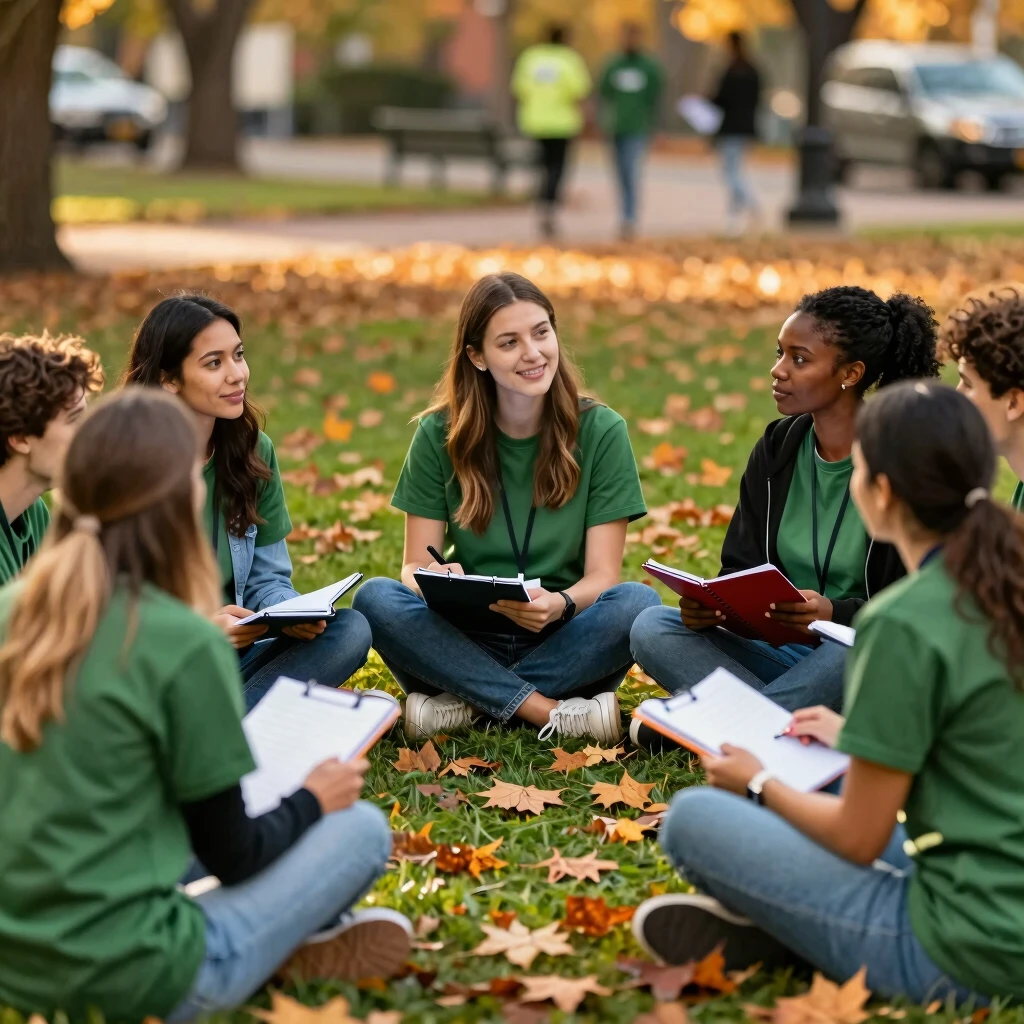
Wrapping It Up: Act Now for Lasting Change
Civic Engagement and Learning: What Studies Show boils down to this: action breeds growth. From boosted brains to bonded communities, the evidence is clear. Educators, weave in these practices—your impact ripples far.
Start today: chat with a colleague, plan one project. The world needs engaged citizens, and it starts in your classroom. You've got the tools; now build the future.