Civic Engagement Ideas for Busy People: Making a Difference Without Sacrificing Time
Discover practical civic engagement ideas for busy people. This guide offers actionable ways to contribute to your community through volunteering, advocacy, and service learning, even with a packed schedule. Learn how small efforts can create big impact.
5 min read
Overview
Life moves fast, and finding time for Civic Engagement Ideas for Busy People can feel like a challenge. Between work, family, and personal commitments, carving out hours for community involvement might seem impossible. But civic engagement doesn’t have to mean long hours or big sacrifices. This article explores practical, time-efficient ways to make a difference, from micro-volunteering to advocacy you can do from your phone. With real-world examples and actionable tips, you’ll find ideas that fit your schedule and amplify your impact.
Why Civic Engagement Matters
Civic engagement is about taking an active role in shaping your community. It’s not just voting or attending town hall meetings—it’s any action that strengthens the social fabric. Studies show engaged citizens build stronger, more resilient communities. For example, a 2019 report from the National Conference on Citizenship found that communities with high civic participation have lower crime rates and better public services. Even small actions, like volunteering an hour a month, can ripple outward.
For busy people, the key is finding low-time-commitment opportunities that align with your skills and passions. Whether you’re a parent, a professional, or a student, there’s a way to contribute without overwhelming your schedule.

Micro-Volunteering: Small Actions, Big Impact
Micro-volunteering is perfect for busy schedules. These are short, task-based activities that often take less than an hour and can be done remotely. Think of it as volunteering in bite-sized pieces. For example, you could:
- Translate documents: If you’re bilingual, platforms like Translators Without Borders need help translating critical information for nonprofits.
- Write letters: Pen advocacy letters for causes like environmental protection or education reform. Amnesty International offers templates to get started.
- Share skills online: Offer quick feedback on a nonprofit’s website or social media strategy through platforms like Catchafire.
I once spent 30 minutes reviewing a nonprofit’s fundraising email. It felt small, but they later shared that my edits helped raise an extra $500. These tasks fit into a lunch break or a quiet evening, making them ideal for busy people.
Service Learning and Civic Engagement
Service learning and civic engagement combine education with action, offering a structured way to contribute while growing personally. Unlike traditional volunteering, service learning ties your efforts to reflection and learning. Many universities and community organizations offer programs that fit tight schedules.
For instance, Campus Compact connects students and professionals with service-learning opportunities, like mentoring youth or supporting local food banks. These programs often require just a few hours a week and provide training, so you’re not starting from scratch. I mentored a high school student through a service-learning program, spending one hour a week on video calls. It was manageable, and seeing her confidence grow was incredibly rewarding.
If you’re a professional, check with your employer—many companies partner with service-learning initiatives, letting you contribute during work hours.

Advocacy from Your Phone
Advocacy is a powerful form of civic engagement that doesn’t require leaving your couch. With a smartphone, you can influence policy and raise awareness in minutes. Here are some ideas:
- Sign petitions: Platforms like Change.org let you support causes with a quick signature.
- Contact lawmakers: Use apps like 5 Calls to find your representatives and get scripts for quick calls or emails.
- Amplify voices: Share posts from local activists or organizations on social media to spread their message.
Last year, I used 5 Calls to urge my senator to support a local education bill. It took five minutes, and I later learned the bill passed with strong community support. These small actions add up when thousands join in.
Community Events: Low-Commitment, High-Connection
Local events offer a fun way to engage without long-term commitments. Many communities host one-day cleanups, charity runs, or voter registration drives. These events often need volunteers for just a few hours. Check your city’s website or platforms like VolunteerMatch to find opportunities.
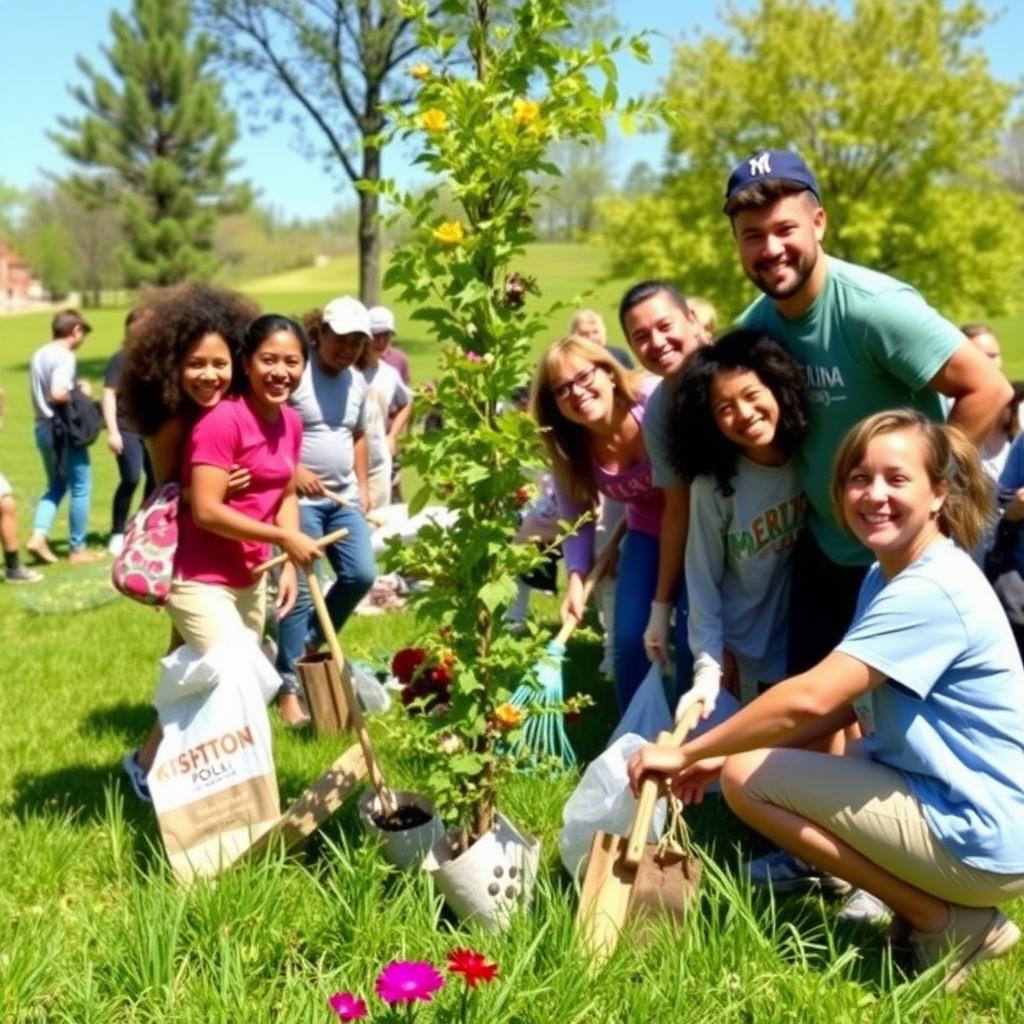
For example, I joined a neighborhood cleanup that lasted two hours. I met new people, got some exercise, and helped clear a park I walk through daily. It was a win-win. Look for events that align with your interests, like book drives for literacy lovers or tree plantings for environmentalists.
Workplace Civic Engagement
Many companies encourage employees to volunteer through corporate social responsibility programs. These can be a goldmine for busy people. Ask your HR department about paid volunteer days or team-building events with a community focus. Some companies even match donations or offer grants for causes you support.
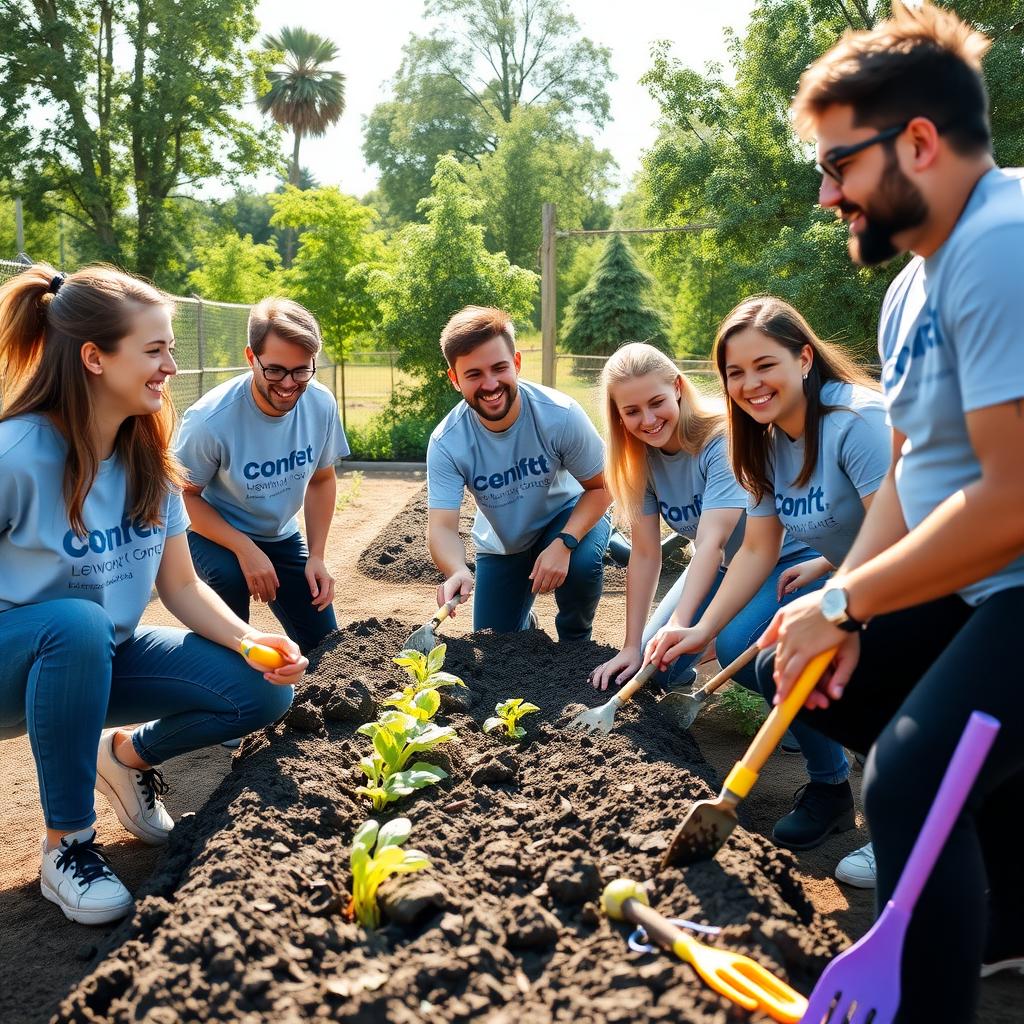
A friend of mine used her company’s volunteer day to help build a community garden. She spent one workday outdoors, connected with colleagues, and contributed to a local food initiative. It was a refreshing break from her usual routine.
Virtual Volunteering: Contribute from Anywhere
If you can’t leave home, virtual volunteering is a game-changer. Organizations need help with tasks like data entry, social media management, or grant writing. Websites like VolunteerMatch list remote opportunities that fit your skills.
I once helped a small nonprofit update their donor database over a weekend. It took three hours, and I did it in my pajamas. The organization was thrilled, and I felt accomplished without leaving my couch. Virtual volunteering is flexible and perfect for night owls or early risers.
Tips for Staying Engaged
To make civic engagement a habit, try these strategies:
| Tip | How It Helps |
|---|---|
| Set a goal | Commit to one hour a month to start small. |
| Use reminders | Schedule volunteering like any other task. |
| Involve friends | Make it social to stay motivated. |
| Track impact | Note how your efforts help to stay inspired. |
These steps keep engagement manageable and meaningful. I set a recurring calendar reminder for volunteering, which helps me stay consistent without feeling overwhelmed.
Summary
Civic Engagement Ideas for Busy People don’t require endless hours or grand gestures. From micro-volunteering to advocacy, service learning, or one-day events, there’s a way for everyone to contribute. Start small, use your skills, and watch your impact grow. Check out the recommended readings below for more inspiration.