Civic Engagement Ideas to Transform Your Community
Discover practical and inspiring civic engagement ideas to make a difference in your community. From volunteering to advocacy, learn how to start initiatives, measure success, and foster meaningful change through service learning and civic engagement.
5 min read
Overview
Civic engagement is the heartbeat of a thriving community. It’s about people coming together to solve problems, improve lives, and strengthen democracy. Whether you’re organizing a local cleanup or advocating for policy change, Civic Engagement Ideas empower you to create impact. This article explores actionable ways to get involved, tips to launch your own projects, and methods to measure success.
Why Civic Engagement Matters
I’ve always believed that communities are built by the people who show up. When I volunteered at a local food bank, I saw firsthand how small actions—like sorting donations—could feed families and spark connections. Civic engagement isn’t just about volunteering; it’s about actively shaping the place you call home. It strengthens social bonds, fosters trust in institutions, and drives change. According to a study by the National Conference on Citizenship, communities with high civic participation see lower crime rates and better public health outcomes.
At its core, civic engagement is about responsibility. It’s the idea that we all have a role in making our neighborhoods better. Whether it’s voting, attending town halls, or starting a community garden, every action counts. The beauty of Civic Engagement Ideas is that they’re accessible to everyone, regardless of age, background, or resources.

Top Civic Engagement Ideas to Get Started
Ready to make a difference? Here are some practical Civic Engagement Ideas to inspire you:
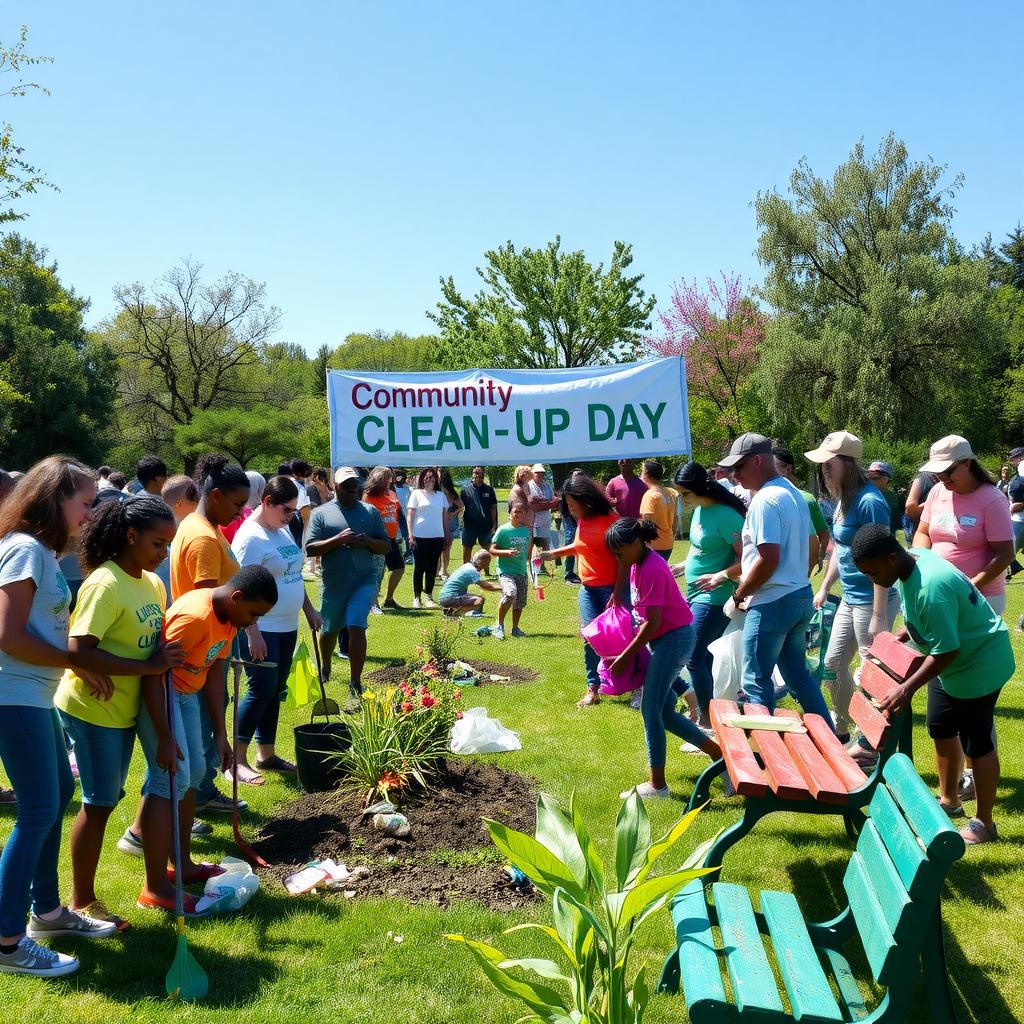
- Organize a Neighborhood Cleanup: Gather friends and neighbors to clean parks, streets, or beaches. Last summer, my street organized a cleanup, and we collected over 50 bags of litter in just two hours!
- Volunteer at a Local Charity: Food banks, shelters, and animal rescues always need help. Check out VolunteerMatch to find opportunities near you.
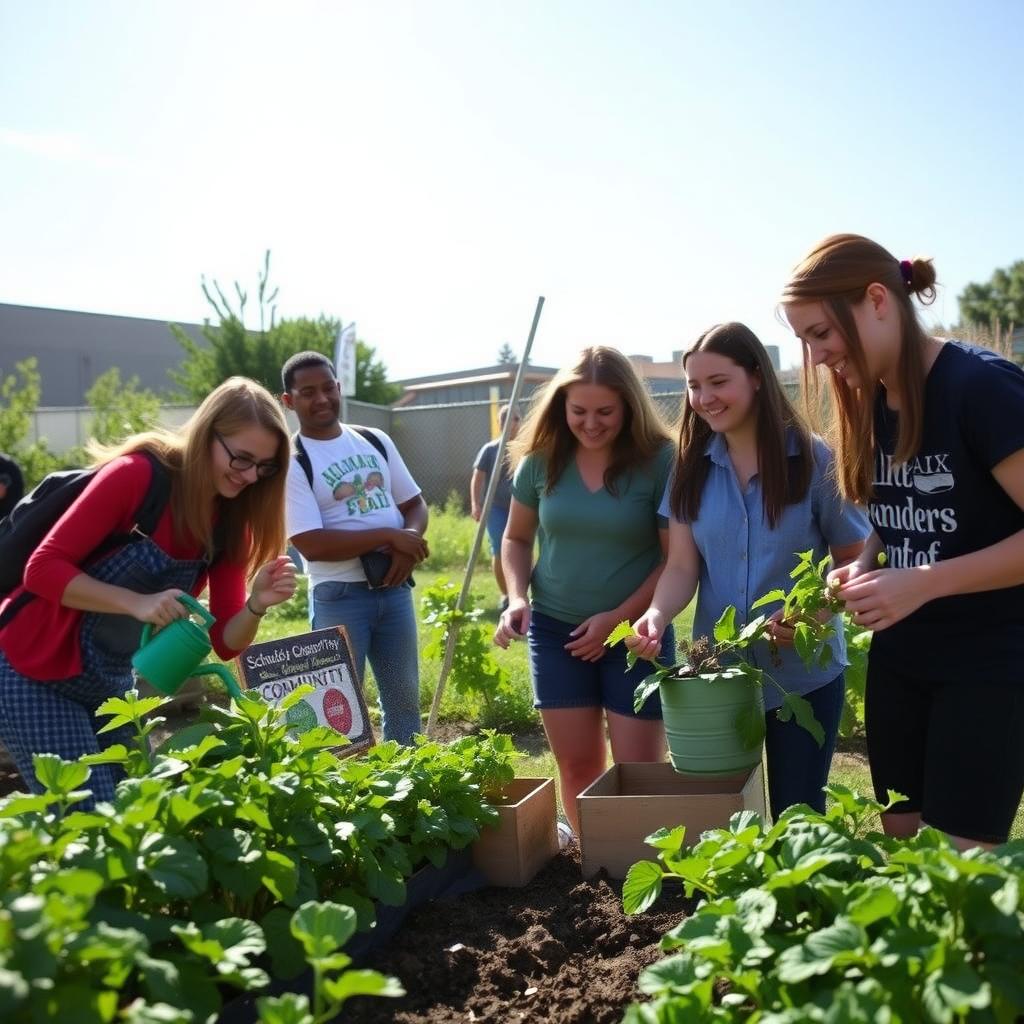
- Start a Community Garden: Turn an empty lot into a green space for growing food and building community. It’s a great way to promote sustainability.
- Host a Voter Registration Drive: Help people register to vote before elections. This is especially impactful for young or first-time voters.
- Join a Town Hall Meeting: Attend local government meetings to voice concerns or learn about community plans. It’s democracy in action.
These ideas don’t require fancy skills or big budgets. They just need your time and passion. For more inspiration, explore How to Start Your Own Initiative to turn your ideas into reality.
Service Learning and Civic Engagement
Service learning is a powerful way to combine education with civic action. It’s about learning through doing—think students cleaning a river while studying environmental science. When I was in high school, my class partnered with a local nonprofit to rebuild a playground. We learned about urban planning while making a space kids could enjoy. According to Stanford University’s Haas Center for Public Service, service learning boosts critical thinking and civic responsibility in students.
Service learning isn’t just for schools. Adults can engage through workplace volunteer programs or community workshops. It’s a hands-on way to connect with others and learn about local issues. For example, teaching digital literacy to seniors not only helps them but also teaches you patience and communication.
How to Start Your Own Initiative
Starting a civic project might sound daunting, but it’s simpler than you think. Here’s a step-by-step guide based on my experience launching a book drive for local schools:
- Identify a Need: Look around your community. Is there a park that needs cleaning? A school lacking supplies? Find something you care about.
- Gather a Team: Recruit friends, neighbors, or coworkers. A small group can make a big impact.
- Plan Your Project: Set clear goals, a timeline, and a budget. For my book drive, we aimed to collect 500 books in a month.
- Spread the Word: Use social media, flyers, or local news to promote your project. Platforms like Nextdoor are great for reaching neighbors.
- Take Action: Execute your plan and stay flexible. Unexpected challenges, like bad weather, might require quick adjustments.
- Reflect and Celebrate: After the project, celebrate your success and think about what you learned.
For a detailed guide, check out How to Start Your Own Initiative. It’s packed with tips to make your project a success.
How to Measure the Success of Your Initiative
You’ve launched your project—now how do you know it worked? Measuring success keeps you motivated and shows others the impact of your work. Here’s how I evaluate my projects:
- Set Clear Metrics: Decide what success looks like. For my book drive, success was collecting 500 books and distributing them to three schools.
- Gather Feedback: Ask participants and beneficiaries what they thought. Surveys or casual chats work well.
- Track Tangible Outcomes: Count the number of people served, items collected, or events held. Numbers tell a story.
- Assess Community Impact: Did your project spark new conversations or inspire others? For example, our book drive led to a school starting a reading club.
- Reflect on Personal Growth: Did you learn new skills or build stronger community ties? That’s a win too.
A report by the Corporation for National and Community Service found that communities with active volunteer programs see a 27% increase in social cohesion. Tracking these outcomes helps you refine future projects. Learn more about evaluating impact at How to Measure the Success of Your Initiative.

Overcoming Common Challenges
Civic engagement isn’t always smooth sailing. I’ve faced hurdles like low turnout or lack of funds. Here’s how to tackle common issues:
| Challenge | Solution |
|---|---|
| Low Participation | Promote early and often. Partner with local groups to boost turnout. |
| Limited Resources | Seek donations or grants. Local businesses often support community projects. |
| Burnout | Delegate tasks and take breaks. A sustainable pace keeps everyone energized. |
| Measuring Impact | Use simple tools like Google Forms for feedback and track basic metrics. |
These strategies helped me keep my projects on track, even when things got tough.
The Ripple Effect of Civic Engagement
One of the best parts of civic engagement is the ripple effect. A single project can inspire others to act. After our book drive, two neighbors started a tutoring program. Small actions lead to big changes, creating a culture of care and collaboration. By getting involved, you’re not just helping today—you’re building a stronger tomorrow.
Summary
Civic Engagement Ideas are about taking responsibility for your community. From cleanups to voter drives, every step forward counts. Start small, measure your impact, and watch your efforts grow. With service learning and civic engagement, you can create lasting change. Dive in, get inspired, and make a difference today.