Combining Advocacy with Volunteer Work: A Powerful Duo for Change
Discover how combining advocacy with volunteer work can amplify your impact. This comprehensive guide offers practical steps, real stories, and actionable insights to merge hands-on volunteering with advocacy for lasting community change.
4 min read
Overview
Combining advocacy with volunteer work is a dynamic way to create meaningful change. By blending hands-on volunteering with efforts to influence policies or raise awareness, you address immediate needs while tackling root causes. This guide shares practical steps, personal insights, and real stories to help you make a lasting impact.
Why Combining Advocacy and Volunteer Work Matters
Volunteering is about action—serving meals, planting trees, or mentoring kids. Advocacy, on the other hand, focuses on changing systems—speaking out, influencing policies, or rallying others. Together, they’re unstoppable. Volunteering gives you a front-row seat to a cause, while advocacy amplifies your voice to fix bigger issues.
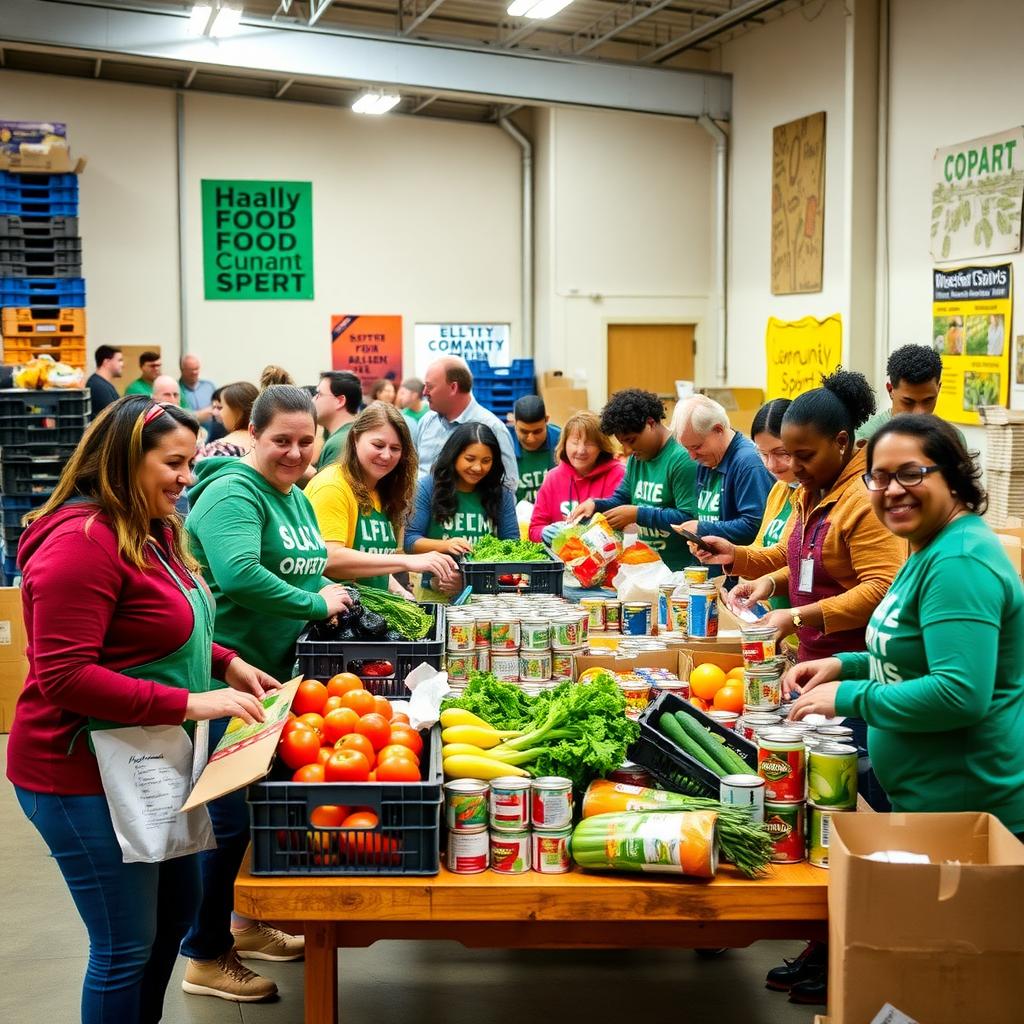
I learned this firsthand volunteering at a community food bank. Handing out groceries felt good, but I noticed families kept coming back. The problem wasn’t just food—it was access to jobs and affordable housing. So, I started writing to local officials about better social programs. That’s when I saw the power of combining advocacy with volunteer work.
The Power of Dual Impact
When you volunteer, you see problems up close. This makes your advocacy more authentic. For example, a volunteer tutoring kids might notice they lack books at home. By advocating for library funding, they address the root issue. According to a study by the Corporation for National and Community Service, volunteers who advocate achieve longer-lasting results than those who only volunteer. Their work shapes policies that help entire communities.
Here’s why this combo works: - Authenticity: Your volunteer experience makes your advocacy credible. - Broader Reach: Advocacy changes laws or systems, impacting more people. - Skill Building: You gain confidence, leadership, and communication skills.
Take Maria, a volunteer at an animal shelter. She loved caring for the animals but saw overcrowding due to lax spay-and-neuter laws. She joined a campaign to push for stricter regulations, using her shelter stories to rally support. Her efforts led to a new local ordinance.
How to Start Combining Advocacy and Volunteer Work
You don’t need to be an expert to merge advocacy with volunteering. It’s about passion and persistence. Here’s a step-by-step guide to get started:
- Find Your Cause: Pick an issue that sparks your passion—education, hunger, or the environment.
- Volunteer First: Get hands-on experience to understand the problem deeply.
- Research the Issue: Learn about policies or systems affecting your cause.
- Connect with Others: Join advocacy groups or coalitions for support.
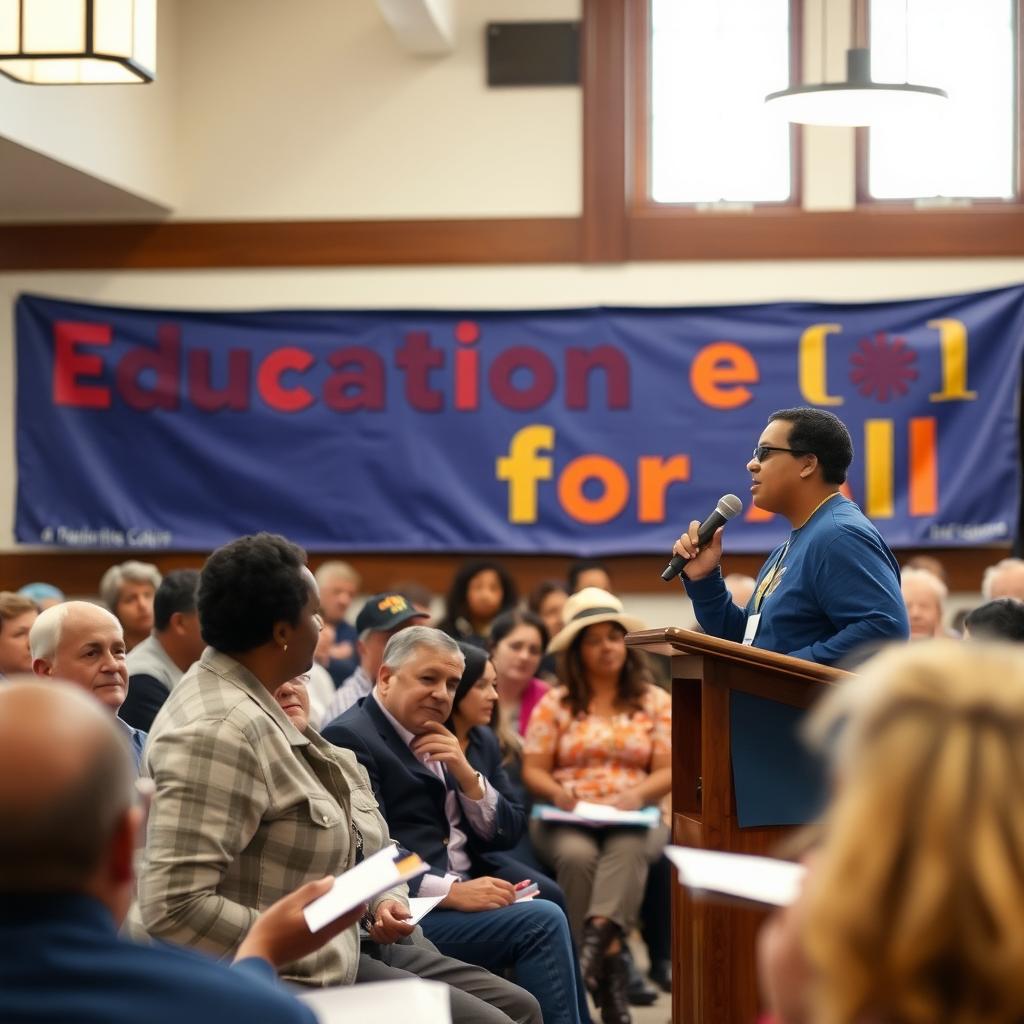
- Speak Out: Share your story through social media, petitions, or local meetings.
- Stay Committed: Change takes time, so celebrate small wins to stay motivated.
I started small by volunteering at a literacy program. Seeing kids struggle with outdated books pushed me to advocate for better school funding. I joined a local education coalition and shared my experiences at town halls. Over time, we secured a grant for new library resources.

Mental Health and Personal Growth Benefits
Volunteering doesn’t just help others—it’s good for you too. A study by the National Alliance on Mental Illness shows volunteering reduces stress and boosts happiness by activating the brain’s reward center. Advocacy adds another layer, giving you a sense of purpose by fighting for change.
When I volunteered at the food bank, I felt connected to my community. Advocating for better policies gave me confidence to speak up. These experiences built my leadership skills and made me feel like I was making a real difference.
Leveraging Technology for Advocacy
Technology can supercharge your efforts. Social media, email campaigns, and online petitions let you reach wider audiences fast. For example, posting a video about your volunteer work can inspire others to join or support your advocacy. Nonprofits using data analytics, as noted in a 2025 report by fundsforNGOs, can track campaign impact and refine their strategies.
I once shared a short post on X about my food bank experience, linking it to a petition for better food access programs. It got shared hundreds of times, reaching local leaders. That small post led to a meeting with a city council member.
Building Strategic Partnerships
Collaboration is key. Partnering with advocacy groups or other volunteers amplifies your impact. The Independent Sector emphasizes that advocacy is a form of volunteerism, requiring no expertise—just a willingness to speak up. Joining a coalition can connect you with resources and networks to push for change.
I teamed up with a local nonprofit to advocate for housing reforms. Their expertise helped me craft stronger messages, and our combined efforts led to a new affordable housing initiative.

Overcoming Challenges
Combining advocacy with volunteer work isn’t always easy. Time constraints, lack of experience, or fear of speaking out can hold you back. Here’s how to tackle these:
| Challenge | Solution |
|---|---|
| Limited Time | Start with small advocacy tasks, like signing petitions or sharing posts. |
| No Experience | Join a group to learn from others and gain confidence. |
| Fear of Speaking | Practice your message with friends or at small events first. |
When I started advocating, I was nervous about public speaking. I practiced at small community meetings, and over time, it became easier.
Summary
Combining advocacy with volunteer work is a game-changer. Volunteering grounds you in the cause, while advocacy pushes for systemic fixes. By finding your passion, getting hands-on experience, and speaking out, you can create lasting impact. Start small, stay persistent, and watch your efforts ripple through your community.