Combining Advocacy with Volunteer Work: A Guide to Making a Greater Impact
Learn how to combine advocacy with volunteer work to amplify your impact and create meaningful change. This comprehensive guide provides strategies, examples, and tips for success.
4 min read
Overview
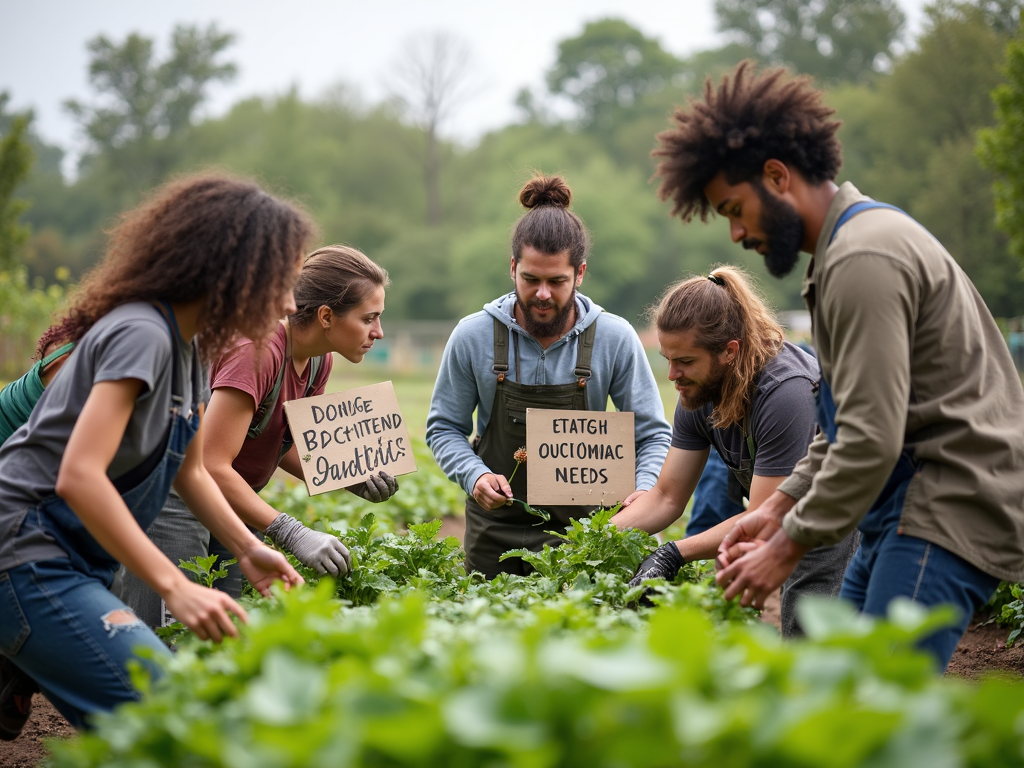
Combining advocacy with volunteer work is a powerful way to make a difference. By blending your passion for a cause with hands-on volunteer efforts, you can boost your impact and spark real change. This approach helps the causes you love and makes your volunteer time more rewarding.

Why Combine Advocacy and Volunteer Work?
When you mix advocacy with volunteer work, you get the best of both worlds. Advocacy spreads the word and pushes for policy changes, while volunteering offers direct help and builds community ties. Together, they tackle big issues from multiple angles.
A report by the Corporation for National and Community Service shows that volunteers who advocate often see lasting community improvements. Advocacy locks in the gains from volunteer efforts by shaping laws or systems.
Plus, this combo helps you grow. You learn more about the issues, sharpen your speaking skills, and meet people who care about the same things. It’s a win for you and the cause.
How to Combine Advocacy and Volunteer Work
Blending advocacy into your volunteer activities can fit your style and the cause’s needs. Here are some practical ways to do it:
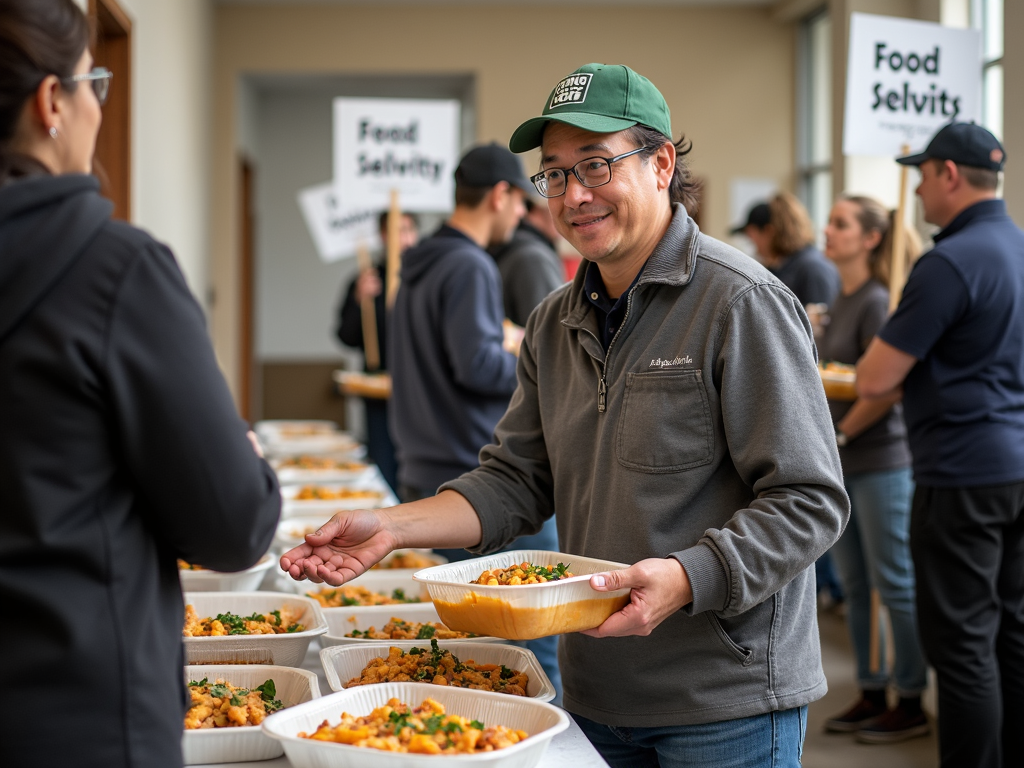
- Raise Awareness at Events: Turn volunteer gigs into education moments. If you’re at a food bank, try:
- Setting up a table with flyers about hunger.
- Giving quick talks to visitors about why food security matters.
-
Handing out info sheets for people to take home.
-
Use Social Media: Share your volunteer story online to reach more people. You can:
- Post pictures or videos showing the work and its impact.
- Write about your day and share it with a call to action.
-
Add hashtags to connect with others who care.
-
Team Up with Groups: Link your volunteering with advocacy organizations. This might mean:
- Hosting joint events to spread the word.
- Sharing tools like pamphlets or posts.
-
Running workshops together to teach the community.
-
Learn and Teach: Stay sharp on the issues and help others understand. Try:
- Joining training sessions about advocacy.
- Reading up on the cause from trusted sources.
- Starting a discussion group with other volunteers.
These steps make advocacy a natural part of your volunteer work.

Real-Life Examples That Inspire
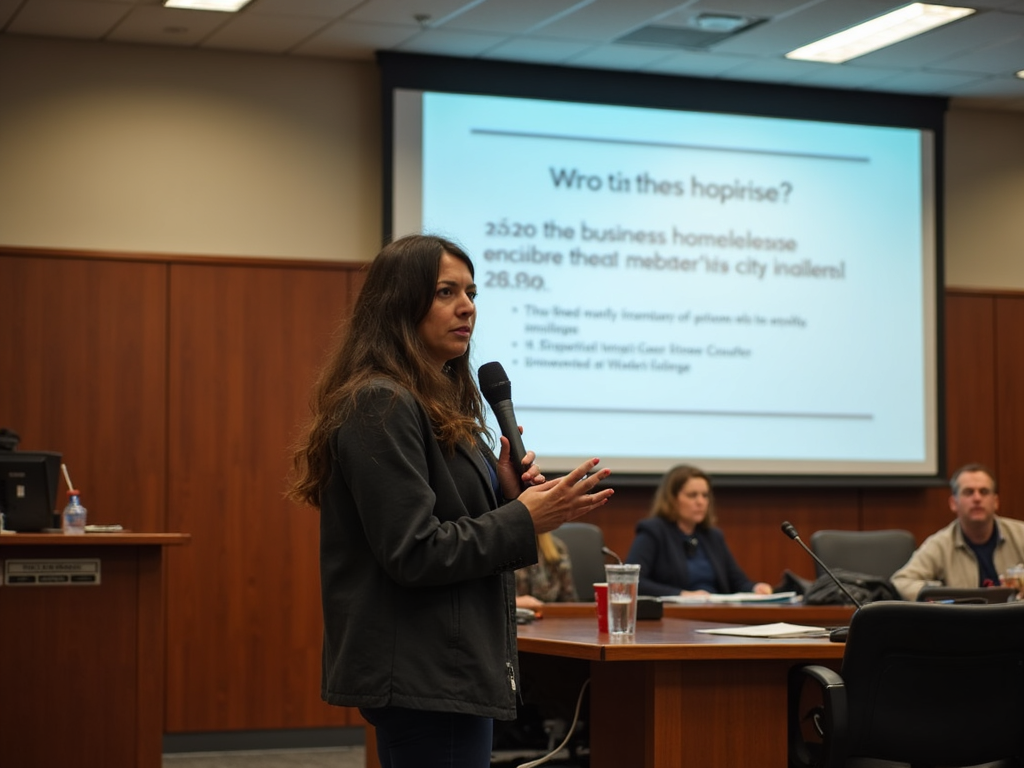
Take Jane Doe, a volunteer with an environmental group. She didn’t just clean up parks—she pushed for better waste rules. Jane collected signatures, spoke at city meetings, and posted online about it. Her work got a new recycling program started.
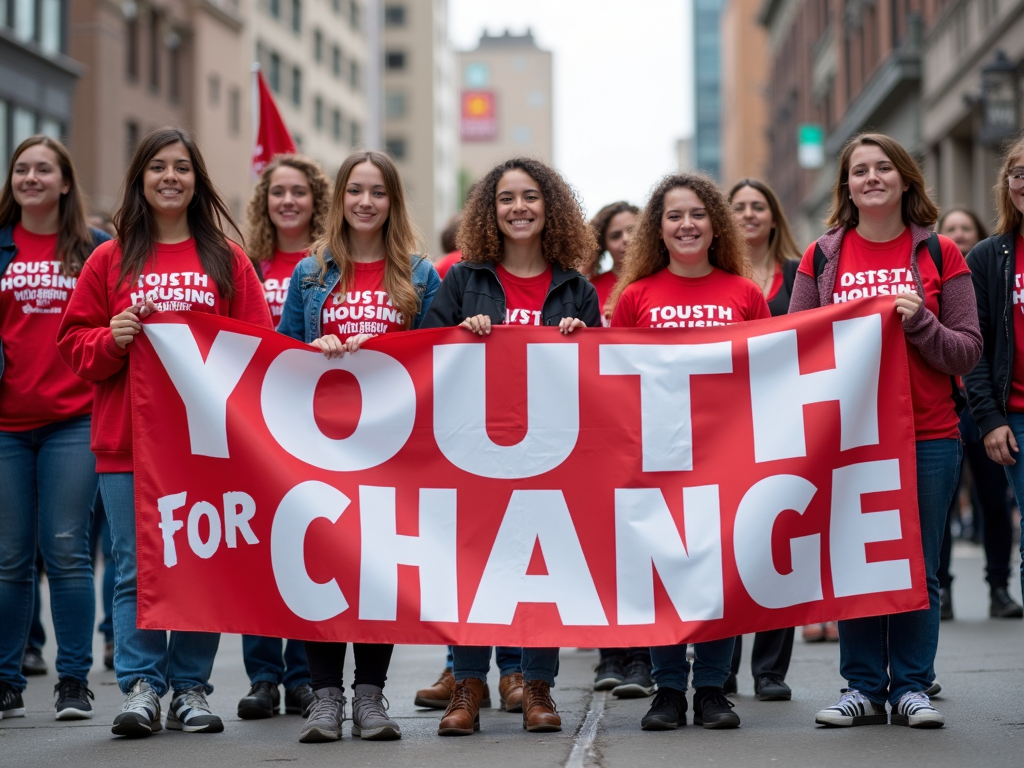
Then there’s the 'Youth for Change' crew. These young volunteers helped at shelters and fought for housing policies. They talked to lawmakers and rallied support, winning more funds for homes and community backing.
Another story comes from the 'Health for All' campaign. Clinic volunteers offered free check-ups while pushing for healthcare fixes. They held town forums, gathered patient data, and showed it to leaders. The result? Better health services for people who needed them most.
These stories show how combining advocacy with volunteer work can change lives.
Tips to Make It Work
Want to combine advocacy with volunteer work? Here’s how to succeed:
- Set Clear Goals: Know what you’re aiming for. Maybe it’s getting 10 new volunteers or changing a local rule. Write it down.
- Build Connections: Meet other volunteers or group leaders. Go to events or chat online to grow your support circle.
- Track Your Wins: Keep tabs on what’s working. Count signatures, event turnout, or hours you’ve given. It shows your impact.
- Stay Fired Up: Think about why you started. Share your progress with friends or teammates to keep the energy going.

Handling the Tough Stuff
Mixing advocacy and volunteering isn’t always easy. Here’s how to deal with common hurdles:
- Pushback from Groups: Some places might not like advocacy. Show them how it helps and start small to win them over.
- Not Enough Resources: Time or money tight? Partner with advocacy groups or look for small grants to keep going.
- Feeling Worn Out: Doing both can tire you. Set doable goals, share tasks with others, and rest when you need to.
Facing these head-on keeps your efforts strong.
Research backs this up. A study from Stanford University found that volunteers who plan and pace themselves stay active longer and see bigger results.

Why It Matters to You and Others
This mix isn’t just about the cause—it’s personal. Volunteering feels good, but adding advocacy makes it bigger. You’re not just helping today; you’re shaping tomorrow. It’s like planting a seed and watering it too.
For communities, it’s a game-changer. Direct help meets long-term fixes. For example, feeding someone now and pushing for food programs later doubles the good you do.
The Points of Light Foundation highlights how this dual approach builds stronger, more connected neighborhoods. That’s the real payoff.
Summary
Combining advocacy with volunteer work lets you make a bigger difference. You help now and push for lasting change at the same time. With simple steps, real examples, and a bit of grit, you can turn your passion into action that matters. Check out the readings below to dive deeper.