Combining Advocacy with Volunteer Work: Amplifying Your Impact for Real Change
Discover how combining advocacy with volunteer work can multiply your efforts to create lasting community change. This guide offers practical steps, real examples, and insights to help you make a bigger difference.
3 min read
Overview
Combining advocacy with volunteer work turns hands-on help into powerful, lasting change. You volunteer to support a cause directly, while advocacy pushes for bigger shifts through awareness and policy. Together, they create stronger impact. This article explores why and how to blend them effectively.

What Is Volunteer Work and Advocacy?
Volunteer work means giving your time to help others without pay. You might serve meals at a shelter, tutor kids, or build homes for families in need.
Advocacy involves speaking up for change. You raise awareness, contact leaders, or join campaigns to fix root problems.
Many people do one or the other. But combining advocacy with volunteer work makes both stronger.
Why Combine Them?
When you mix volunteer efforts with advocacy, you tackle issues from two sides. Volunteering shows the problem up close. Advocacy works to prevent it from happening again.
For example, if you volunteer at a food bank, you see hunger firsthand. Adding advocacy—like supporting policies for better wages—helps reduce the need for food banks over time.
Research shows this combination boosts engagement. Volunteers who advocate feel more connected to the cause and stick around longer.
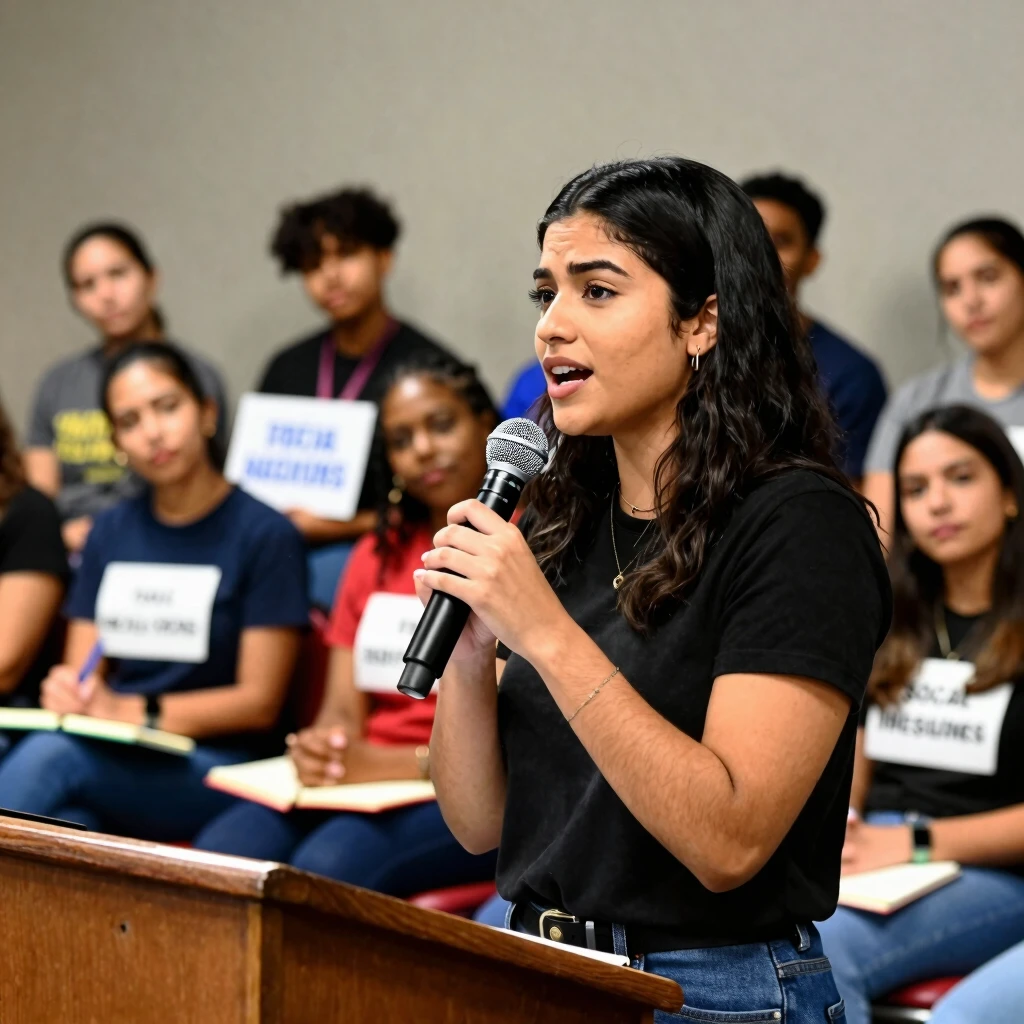
Nonprofits benefit too. Engaged volunteers spread the word and bring in more support. One study from the ASU Lodestar Center highlights how training volunteers in simple advocacy tasks extends impact beyond daily tasks.
Benefits of Combining Advocacy with Volunteer Work
Here are key advantages:
- Deeper Impact: Direct help meets long-term solutions.
- Personal Growth: You build skills in communication, leadership, and organization.
- Stronger Communities: More people get involved when they see real action plus calls for change.
- Higher Motivation: Advocates who volunteer stay committed because they witness progress.
From my experience volunteering at animal shelters, adding advocacy like petitioning for better laws made the work more rewarding. We saved more animals through prevention, not just rescue.
How to Get Started
Ready to blend these? Follow these steps:
- Choose Your Cause: Pick something you care about deeply, like environment, education, or health.
- Start Volunteering: Find local opportunities through sites like VolunteerMatch.
- Learn Advocacy Basics: Read about the issues. Know key facts and policies.
- Combine Gradually: While volunteering, share stories online or talk to friends about needed changes.
Many organizations encourage this mix. They provide training to turn volunteers into advocates.
Real-World Examples
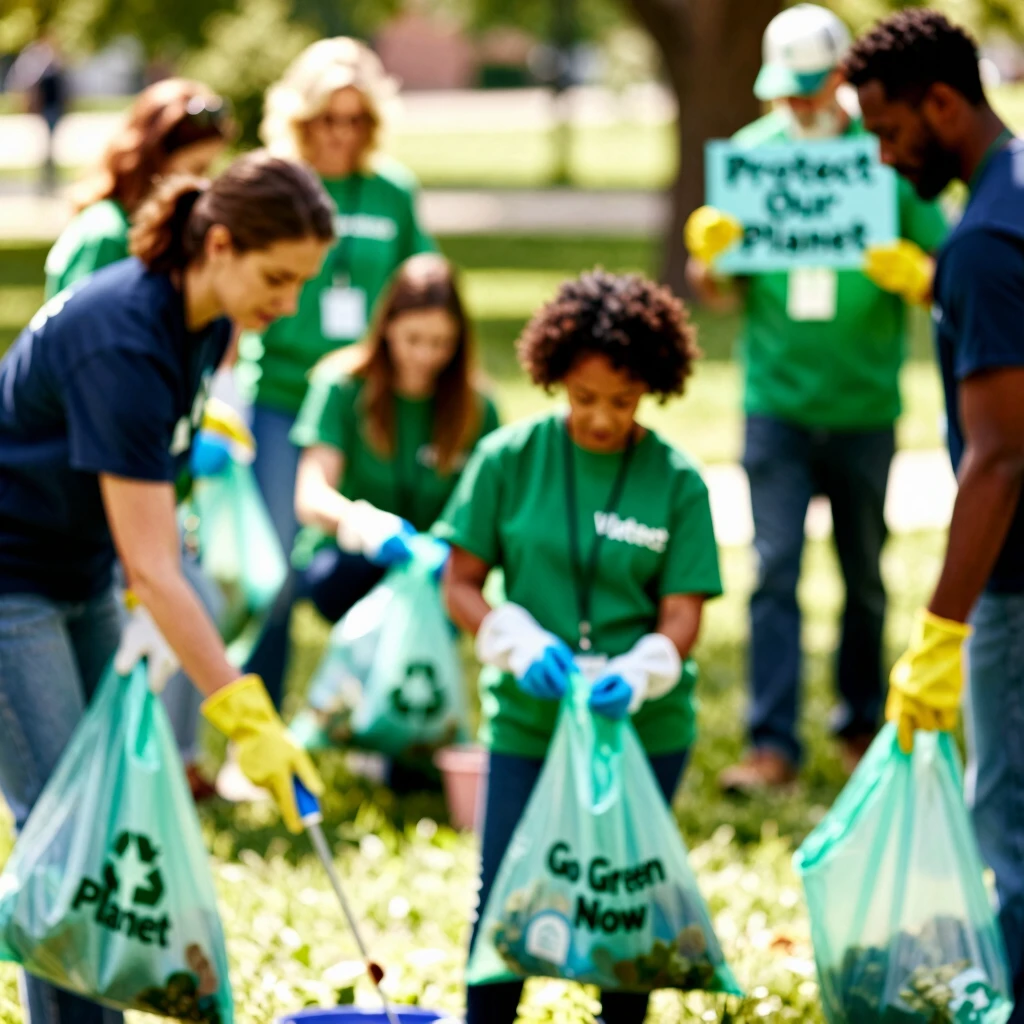
- Environmental Groups: Volunteers clean beaches and advocate for plastic bans. This dual approach has led to real policy wins in many cities.
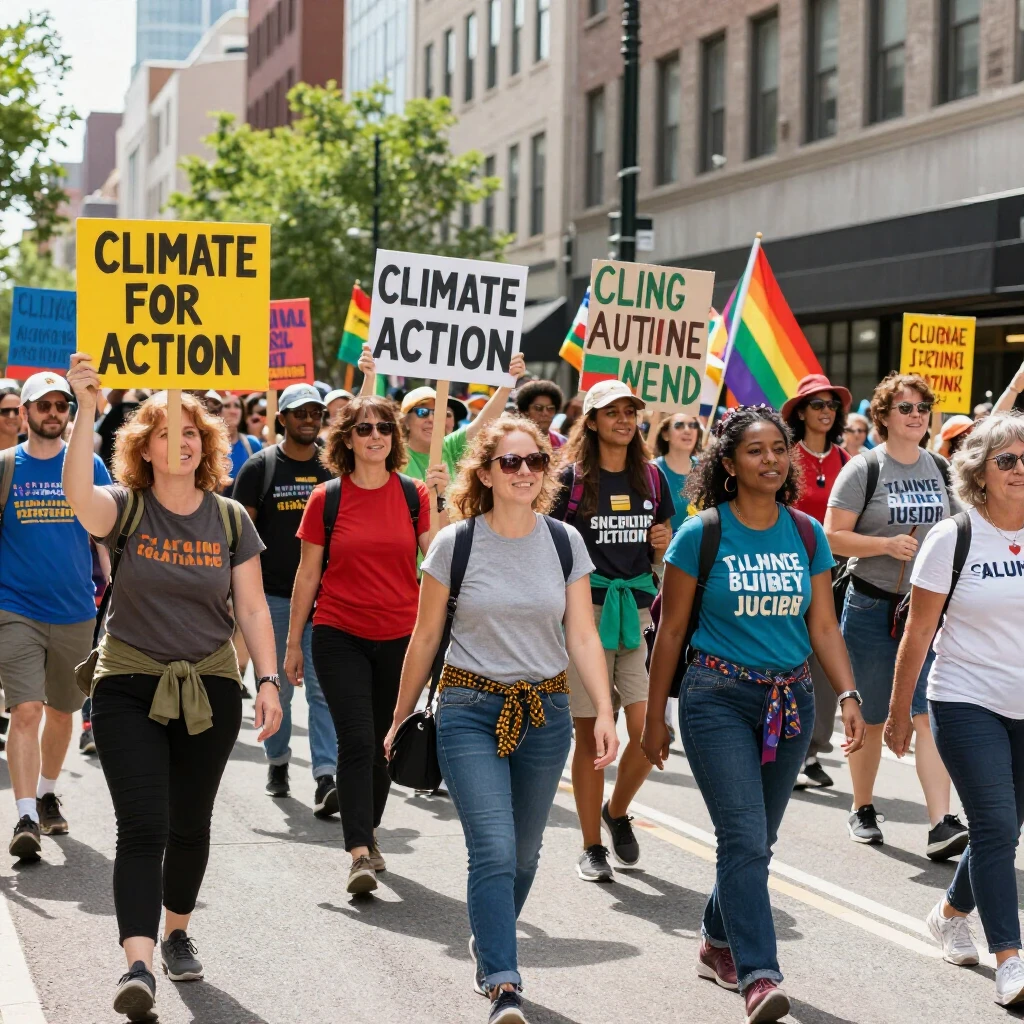
- Social Justice: People volunteer in community programs and march for equality. Groups like those inspired by civil rights movements show how this works.
- Health Causes: Volunteers support patients and push for better funding.
One powerful example is how nonprofits use 'micro-advocacy'—small actions like emailing leaders—to involve volunteers easily.
Actionable Tips to Combine Effectively
Use this table for quick ideas:
| Volunteer Activity | Matching Advocacy Action | Expected Outcome |
|---|---|---|
| Food bank help | Petition for food security laws | Reduce long-term hunger |
| Tutoring kids | Support education funding campaigns | Better schools for all |
| Animal shelter | Advocate for anti-cruelty bills | Fewer abandoned pets |
| Park cleanup | Push for green policies | Cleaner public spaces |
Start small. Share your volunteer stories on social media with calls to action. Contact your representatives about issues you see firsthand.
Challenges and How to Overcome Them
Time limits can be a hurdle. Solution: Choose flexible options and focus on high-impact actions.
Feeling overwhelmed? Join groups that train you step-by-step.
Burnout happens. Balance with self-care and celebrate small wins.
In my view, the biggest reward is seeing change happen because of your combined efforts.
Final Thoughts
Combining advocacy with volunteer work multiplies your power to create change. You help today while building a better tomorrow. Start where you are, use what you have, and watch your impact grow.
Whether you're new or experienced, this approach makes your contributions more meaningful and effective.