Combining Advocacy with Volunteer Work: A Guide to Maximizing Impact
Discover how combining advocacy with volunteer work amplifies your impact on causes you care about. This guide shares personal stories, practical tips, and strategies to blend hands-on volunteering with advocacy for systemic change, creating lasting community impact.
4 min read
Overview
Combining advocacy with volunteer work is a powerful way to drive meaningful change. By pairing hands-on volunteering with efforts to influence policies or raise awareness, you can address immediate needs while pushing for long-term solutions. This guide explores how to merge these approaches effectively, with real stories and actionable steps.
Why Combining Advocacy and Volunteer Work Matters
Volunteering is about taking action—serving meals, cleaning parks, or tutoring kids. Advocacy, on the other hand, focuses on changing systems—speaking out, influencing policies, or rallying others. Together, they create a unique synergy. Volunteering gives you firsthand insight into a cause, while advocacy amplifies your impact by addressing root issues.
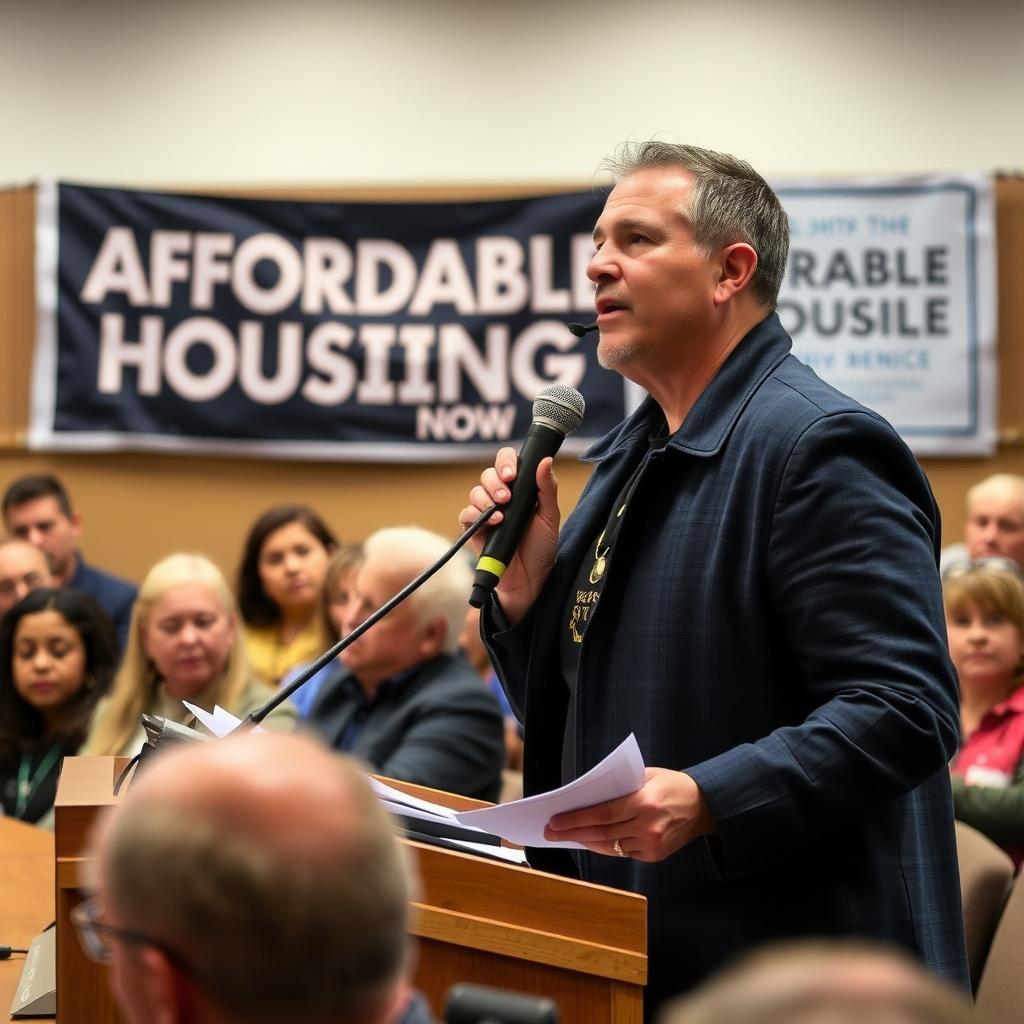
I learned this during my time volunteering at a local shelter. Handing out blankets was rewarding, but I saw the same people return weekly. It hit me: we needed better housing policies, not just temporary aid. So, I started attending city council meetings to push for change. That’s when I realized combining advocacy with volunteer work could transform communities.

The Power of Dual Impact
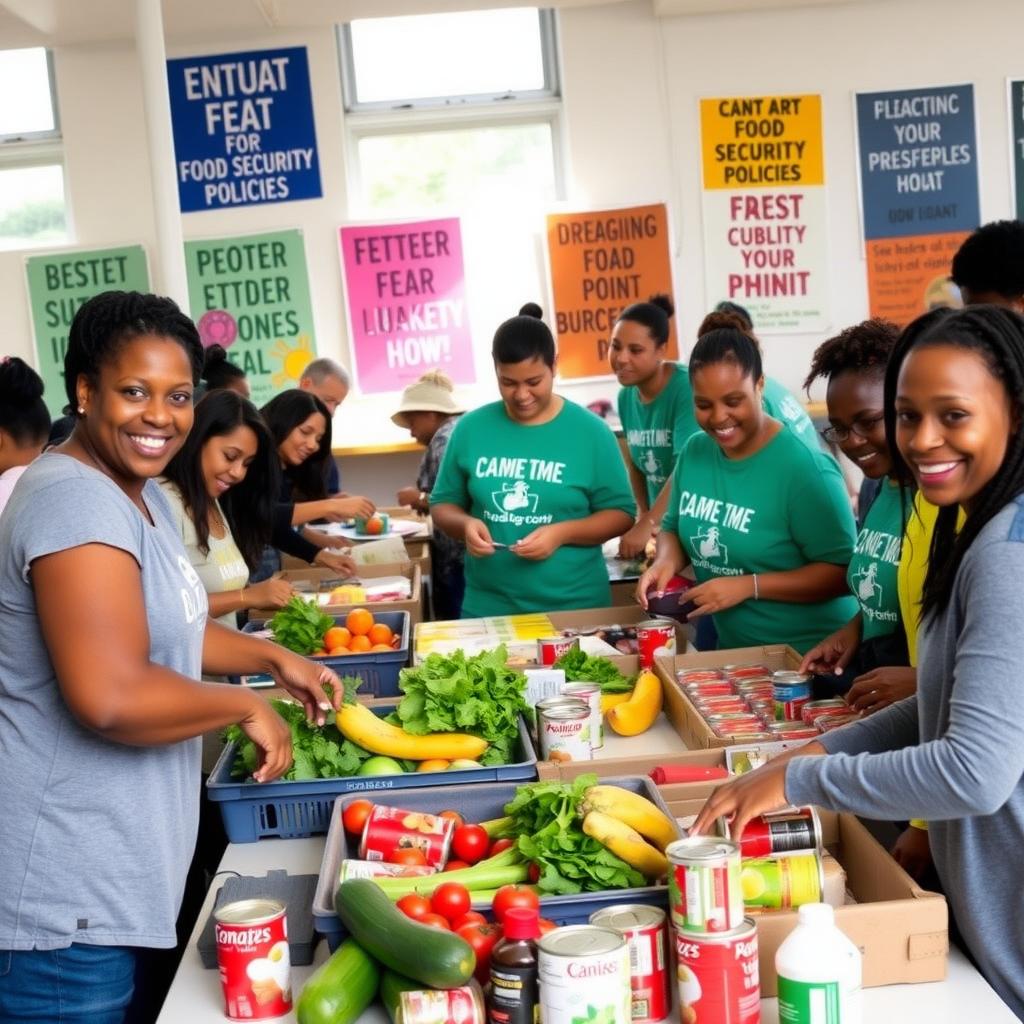
When you volunteer, you see problems up close. This makes your advocacy more authentic. For example, a volunteer at a food bank might notice families lack access to fresh produce. By advocating for local farming programs, they can help solve the issue at its core. A study from the Corporation for National and Community Service shows volunteers who advocate achieve longer-lasting results than those who only volunteer. Their work influences policies that benefit entire communities.
Here’s why this combination works: - Authenticity: Your volunteer experience makes your advocacy credible. - Broader Reach: Advocacy can change laws or policies, impacting more people. - Skill Building: You gain confidence, leadership, and communication skills.
Take Sarah, a teacher who volunteered at an after-school program. She saw kids struggling without supplies. She didn’t stop at tutoring—she used social media to share their stories, securing donations and pushing for school funding. Her dual approach made a bigger difference.
How to Start Combining Advocacy and Volunteer Work
Merging advocacy with volunteer work doesn’t require expertise. It’s about passion and persistence. Here’s a step-by-step guide to get started:
- Find Your Cause: Pick an issue that fires you up—hunger, education, or the environment.
- Volunteer First: Get hands-on experience to understand the problem deeply.
- Research the Issue: Learn about policies or systems affecting your cause.
- Connect with Others: Join advocacy groups or coalitions for support.
- Speak Out: Share your story through social media, petitions, or local meetings.
- Stay Committed: Change takes time, so celebrate small wins to stay motivated.
I started small, writing a letter to my local paper about housing issues. It felt daunting, but it sparked conversations. Soon, I was part of a group lobbying for affordable housing. Every step built momentum.
Real Stories of Impact
Stories of others who’ve combined advocacy with volunteer work can inspire you. Meet Jamal, who tutored kids in a low-income neighborhood. He noticed they lacked books. Instead of just fundraising, he advocated for library funding at school board meetings. His efforts led to a new reading program, benefiting hundreds of kids.
Then there’s Maria, a food bank volunteer. She saw families needed healthier options. She partnered with local farmers and lobbied for community gardens. Her work didn’t just feed people—it changed local food policies. These stories, shared by Volunteer Connection, show how everyday people can spark big change.
Overcoming Challenges
Combining advocacy with volunteer work isn’t always easy. Time is a big hurdle—balancing volunteering with advocacy takes planning. I struggled to juggle my shelter shifts with council meetings. Setting a schedule helped, as did teaming up with others to share the load.
Another challenge is staying motivated when change is slow. Policy shifts can take years. To stay focused, I tracked small wins, like getting a council member’s support. Joining a coalition, as suggested by the Independent Sector, also kept me energized. Their research shows nonprofits in coalitions advocate at higher rates—57% compared to 12% for those working alone.

Building a Stronger Community
When you combine advocacy with volunteer work, you don’t just help individuals—you strengthen entire communities. Advocacy ensures policies reflect real needs, while volunteering builds trust and connection. Together, they create a ripple effect. For example, my housing advocacy led to a new shelter program, which inspired others to get involved.
A report from the Do Good Institute highlights that nonprofits relying on volunteers for advocacy see a 65.6% increase in detailed attention to community needs. This proves the dual approach isn’t just feel-good—it’s effective.
Tips for Sustained Impact
To keep your efforts going, try these strategies:
| Strategy | Description |
|---|---|
| Build Relationships | Connect with local leaders and organizations for support. |
| Use Social Media | Share your volunteer stories to raise awareness. |
| Track Progress | Set measurable goals to stay focused. |
| Rest and Reflect | Avoid burnout by taking breaks and celebrating wins. |
These steps helped me stay committed. Sharing my shelter stories online got others involved, and tracking policy changes kept me grounded.
Summary
Combining advocacy with volunteer work is a game-changer. It lets you tackle immediate needs while pushing for systemic solutions. By volunteering, you gain insight; by advocating, you amplify your impact. Start small, stay persistent, and connect with others. Your efforts can spark lasting change in your community.