Community Engagement Strategies for Advocacy Groups: Building Impactful Connections
Discover effective community engagement strategies for advocacy groups to inspire action, build trust, and amplify impact. Learn actionable tips, volunteer training techniques, and real-world insights to strengthen your advocacy efforts.
4 min read

Overview
Advocacy groups thrive when they connect deeply with their communities. Community Engagement Strategies for Advocacy Groups focus on building trust, inspiring action, and creating lasting change. This article shares practical approaches, personal insights, and proven methods to empower volunteers and amplify your group’s impact.
Why Community Engagement Matters
Advocacy isn’t just about raising awareness—it’s about sparking action. Whether your group focuses on environmental issues, social justice, or public health, engaging your community creates a ripple effect. Engaged communities are more likely to volunteer, donate, or spread your message. I’ve seen firsthand how a small group of passionate advocates can transform a neighborhood by simply listening and connecting.
The key is understanding your audience. Are they local residents, online supporters, or policymakers? Each group requires a tailored approach. For example, when I worked with a local environmental advocacy group, we found that hosting open forums where community members could share their concerns led to a 40% increase in volunteer sign-ups. People want to feel heard before they commit.

Key Strategies for Community Engagement
Here are five proven Community Engagement Strategies for Advocacy Groups to build stronger connections:
1. Host Inclusive Events
Events bring people together. Whether it’s a town hall, workshop, or rally, create spaces where everyone feels welcome. Use accessible venues, offer virtual options, and provide translation services if needed. I once attended a health advocacy event that offered childcare, which doubled attendance by making it easier for parents to join.
Tips for Success: - Promote events through social media, local businesses, and community boards. - Follow up with attendees via email to keep them engaged. - Collect feedback to improve future events.
2. Leverage Storytelling
Stories humanize your cause. Share real-life examples of how your advocacy has made a difference. For instance, a homelessness advocacy group I collaborated with shared video testimonials from formerly homeless individuals. These stories increased donations by 25% because they showed tangible impact.
How to Do It: - Train volunteers to collect and share stories ethically. - Use multiple platforms: social media, newsletters, and your website. - Always get consent before sharing personal stories.
3. Build Partnerships
Collaborate with local organizations, businesses, or schools to expand your reach. Partnerships can provide resources, volunteers, and credibility. A youth advocacy group I worked with partnered with a local library to host workshops, gaining access to new audiences and free meeting spaces.
Action Steps: - Identify organizations with shared values. - Propose mutual benefits, like co-hosted events or shared publicity. - Maintain open communication to nurture long-term relationships.
Volunteer Training for Advocacy Work
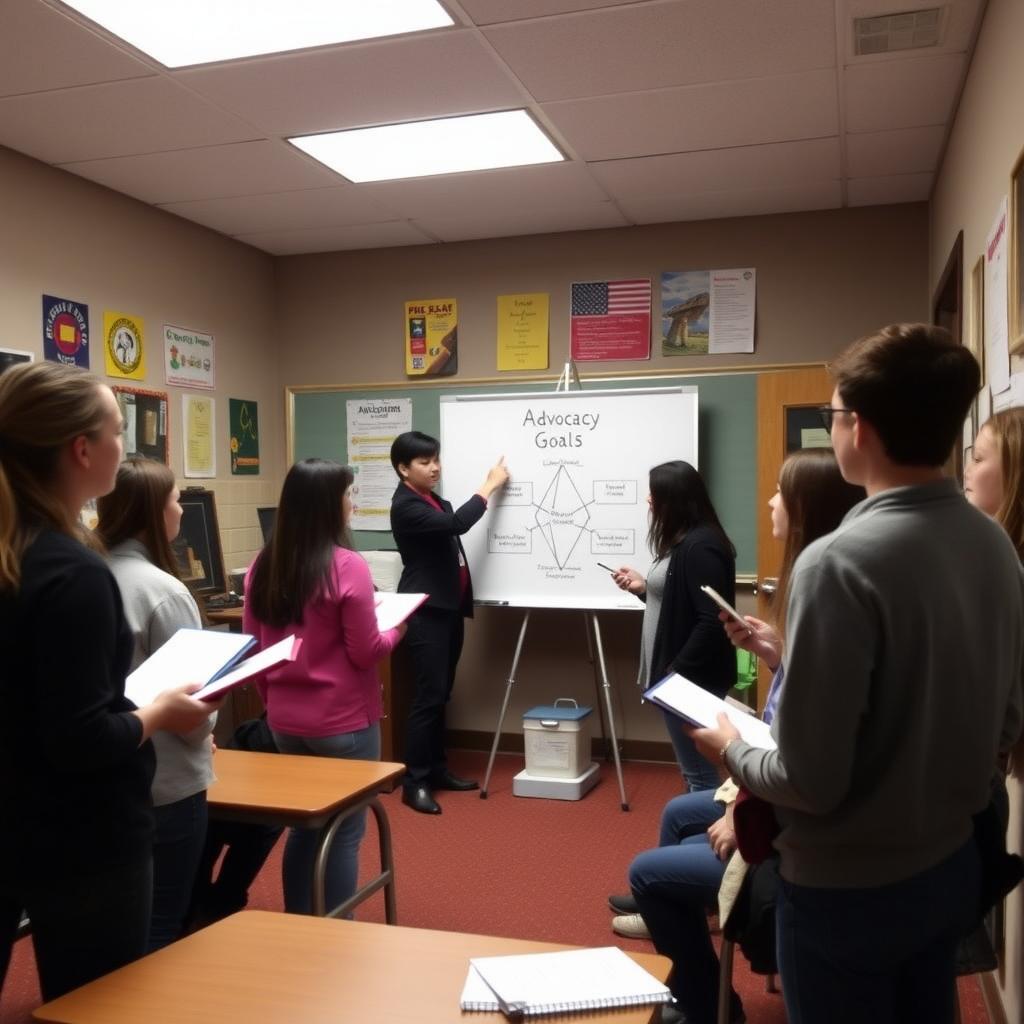
Volunteers are the backbone of any advocacy group, but they need proper training to be effective. Volunteer training for advocacy work equips individuals with the skills to represent your cause confidently. I’ve seen untrained volunteers struggle to answer questions about their group’s mission, which can erode trust.
Core Training Components
| Component | Description |
|---|---|
| Mission Clarity | Ensure volunteers understand your group’s goals and values. |
| Communication Skills | Teach active listening, public speaking, and handling tough questions. |
| Issue Education | Provide facts and data about your cause (e.g., statistics, case studies). |
| Ethical Advocacy | Train on respectful, inclusive engagement with diverse communities. |
Training Tips: - Use role-playing exercises to simulate real-world scenarios. - Offer online and in-person training to accommodate schedules. - Provide ongoing support through mentorship or check-ins.
In my experience, a well-trained volunteer can inspire others to join the cause. For example, a trained volunteer at a voter registration drive I observed was able to answer complex policy questions, convincing skeptical attendees to register.
Engaging Online Communities
Digital platforms are powerful for advocacy. Social media, email campaigns, and websites allow you to reach thousands instantly. However, online engagement requires strategy. Posting randomly won’t cut it. I’ve worked with groups that doubled their online following by using targeted hashtags and consistent posting schedules.
Online Engagement Tactics: - Create Shareable Content: Infographics, short videos, and memes are highly shareable. For example, an infographic on climate change impacts shared by an advocacy group I advised went viral, reaching 10,000 shares. - Engage Actively: Respond to comments, answer questions, and join discussions. This shows your group values its community. - Use Analytics: Track which posts perform best to refine your strategy.
Consider platforms like X for real-time engagement. A quick search on X can reveal what people are saying about your cause, helping you tailor your message. Just be authentic—people can spot inauthentic content a mile away.
Overcoming Common Challenges
Advocacy work isn’t without hurdles. Here are common challenges and how to address them:
- Volunteer Burnout: Advocacy can be emotionally taxing. Prevent burnout by recognizing efforts, offering flexible roles, and hosting appreciation events. I’ve seen groups retain volunteers longer by simply saying “thank you” regularly.
- Lack of Resources: Limited budgets can hinder engagement. Get creative—use free tools like Canva for graphics or partner with local businesses for sponsorships.
- Diverse Audiences: Not everyone will agree with your cause. Train volunteers to handle disagreements respectfully and focus on shared values.
By anticipating these challenges, you can keep your community engaged and your advocacy strong.

Measuring Engagement Success
How do you know your strategies are working? Track both quantitative and qualitative metrics:
- Quantitative: Volunteer sign-ups, event attendance, social media shares, or donations. For example, a group I advised saw a 30% increase in event attendance after implementing feedback surveys.
- Qualitative: Community feedback, stories of impact, or volunteer testimonials. These show the human side of your success.
Use tools like Google Analytics or social media insights to monitor progress. Regularly review data to adjust your approach. If something isn’t working, don’t be afraid to pivot.
Summary
Community Engagement Strategies for Advocacy Groups are about building trust, empowering volunteers, and creating meaningful connections. By hosting inclusive events, leveraging storytelling, training volunteers effectively, and engaging online, your group can amplify its impact. Start small, listen to your community, and adapt as you grow. With dedication, your advocacy can inspire real change.