Community Gardening: A Guide to Getting Started - National Gardening Association
Discover how to start or join a community garden with this practical guide. Learn the benefits, steps to begin, and ways to volunteer for rewarding service learning opportunities in local communities.
3 min read
Overview
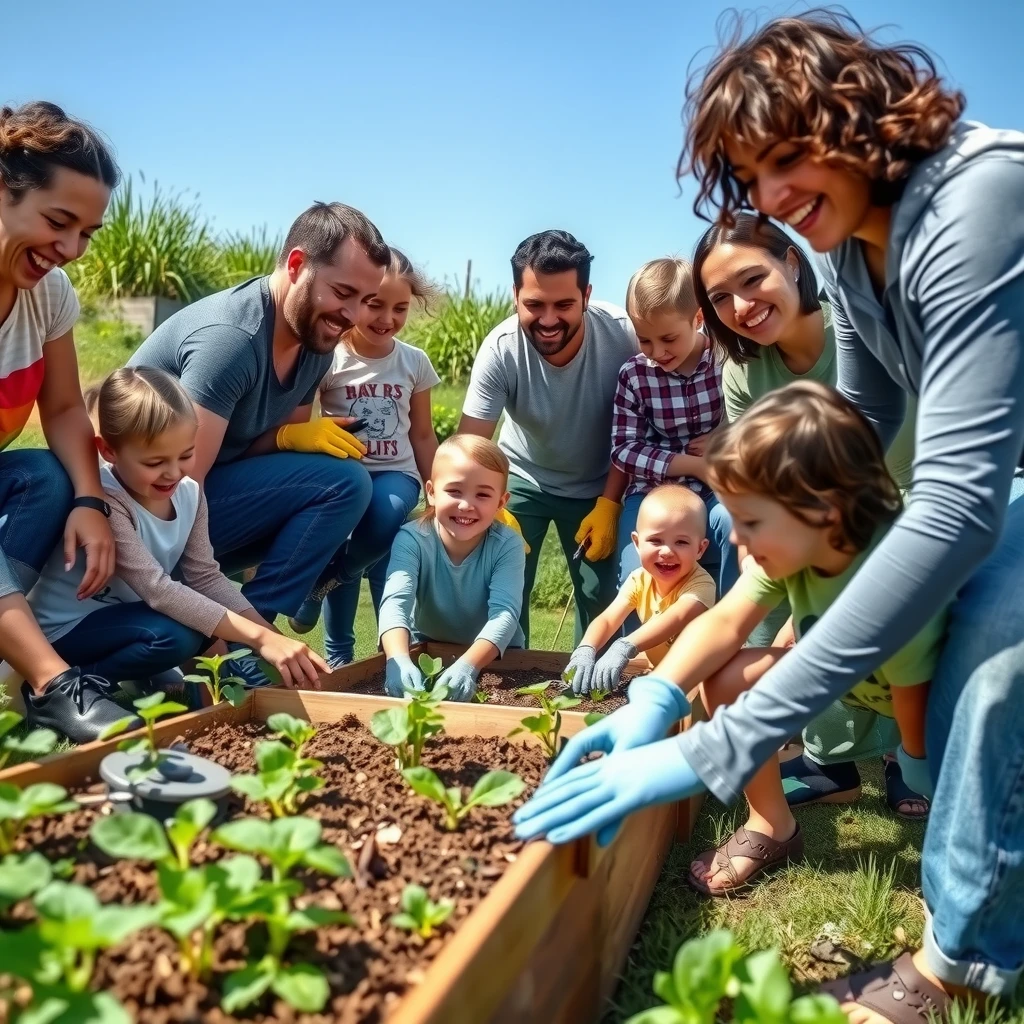
Community gardening brings people together to grow fresh food, beautify neighborhoods, and build stronger connections. This guide, inspired by resources from the National Gardening Association and similar organizations, helps you get started easily and enjoy the many rewards.

What Is Community Gardening?
A community garden is a shared plot of land where people come together to grow fruits, vegetables, flowers, or herbs. Plots can be individual or collective. These gardens pop up in urban lots, school grounds, or parks.
You grow your own food, meet neighbors, and contribute to the environment. Many people find it a great way to relax and stay active outdoors.
The Benefits of Community Gardening
Community gardens offer big advantages for individuals and neighborhoods.
- Health boosts: Gardening provides exercise and access to fresh produce, which improves eating habits.
- Social connections: You meet people from different backgrounds and build friendships.
- Environmental impact: Gardens add green space, support pollinators, and reduce food miles.
- Community strength: They turn empty lots into vibrant spots and can address food insecurity by donating harvests.
Studies show these gardens help mental health too, reducing stress through time in nature.
According to the American Community Gardening Association, there are thousands of such gardens across the US and Canada, fostering these benefits widely. For more on starting one, check their resources for sustainable community gardens.
How to Get Started: Finding or Joining a Garden
The easiest way to begin is to join an existing community garden.
- Search online for gardens in your area.
- Use directories from reputable organizations.
- Contact local extension services or parks departments.
The American Community Gardening Association's garden locator lets you search by location to find nearby spots.
Once you find one, reach out to the coordinators. Many have waiting lists, but some welcome new volunteers right away.
Starting Your Own Community Garden
If no garden exists nearby, start one! It takes planning, but the results are worth it.
Here are key steps, based on guides from experienced organizations:
- Gather interest: Talk to neighbors and local groups. See if people want vegetable plots, flowers, or both.
- Form a group: Create a small committee to handle tasks like funding and rules.
- Find land: Look for vacant lots, church property, or school grounds. Check with city officials for permissions.
- Secure resources: Apply for grants or partner with local businesses for tools and soil.
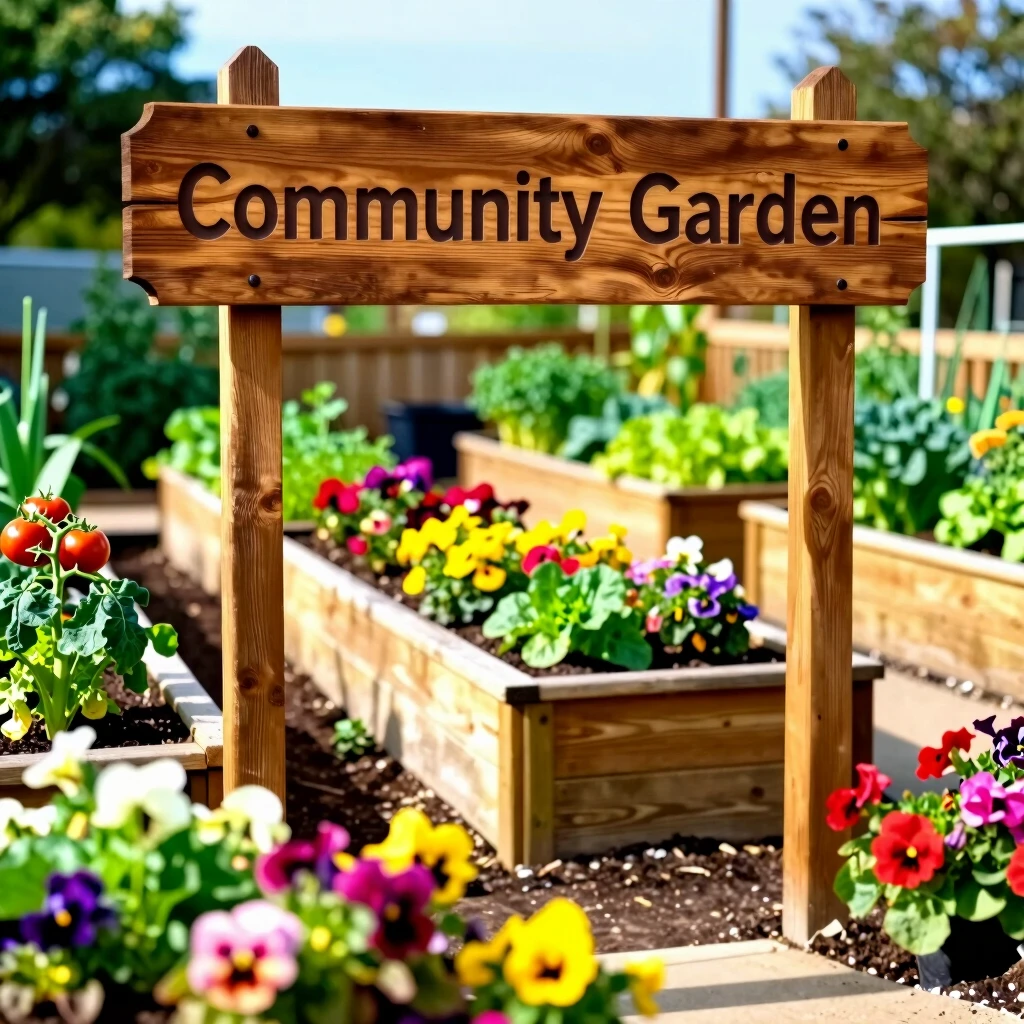
- Plan the layout: Decide on raised beds, paths, and water access.
- Set rules: Agree on maintenance, organic practices, and plot assignments.
The USDA offers a portal with toolkits and links to help with these steps.
Personal insight: I helped start a small garden in my neighborhood years ago. We began with just five families on a vacant lot. Now, it's a thriving space with over 20 plots. The key was starting small and celebrating little wins, like the first harvest.
Volunteer Opportunities and Service Learning
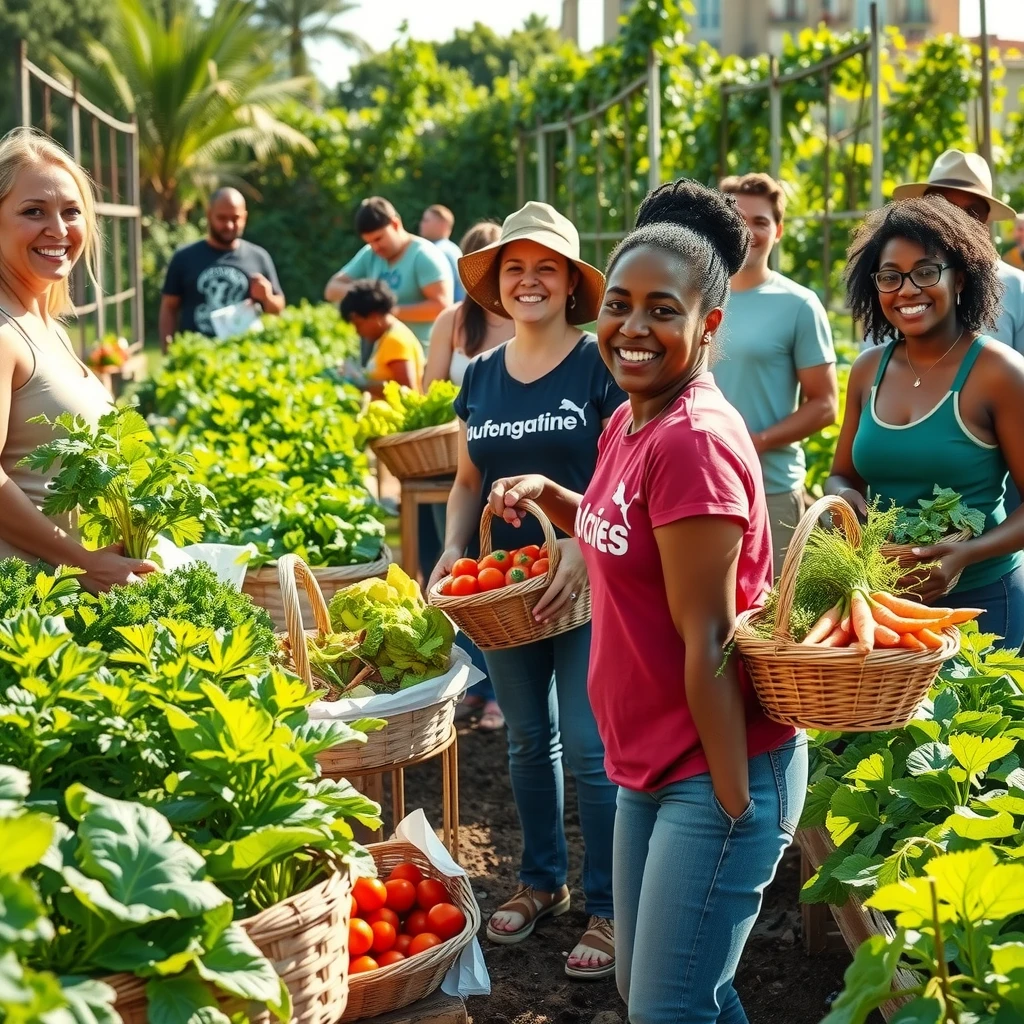
Community gardens thrive on volunteers. You can help without your own plot by weeding, watering, or building beds.
Many gardens offer service learning opportunities in local communities. Schools and youth groups use gardens for hands-on education in science, nutrition, and teamwork.
Service learning combines volunteer work with reflection, helping participants grow personally while giving back.
For example, students might assess community needs, plan a garden expansion, and donate produce to food banks. This builds leadership and civic responsibility.
Organizations like KidsGardening highlight how garden projects strengthen communities through such programs. Explore their guide on service learning in gardens.
Tips for Success
Keep your garden going strong with these practical ideas:
- Start with easy plants like lettuce, tomatoes, or herbs.
- Use compost to enrich soil naturally.
- Schedule regular workdays to share the load.
- Include everyone: Make paths accessible and add kid-friendly areas.
- Celebrate: Host potlucks with garden-fresh food.
Rotate crops yearly to keep soil healthy and prevent pests.
Challenges and How to Overcome Them
Not everything goes smoothly. Common issues include:
- Vandalism: Build fences and add signs.
- Water access: Install rain barrels.
- Conflicts: Clear rules and open communication help.
Stay positive and flexible. Most groups find solutions together.
Final Thoughts
Community gardening is more than growing plants—it's about growing connections and healthier lives. Whether you join an existing one or start new, you'll gain fresh food, friends, and fulfillment. Dive in today and watch your efforts bloom.
For deeper dives, check resources from the American Community Gardening Association or local extensions.