Exploring 'The Complete Guide to Service Learning' by Cathryn Berger Kaye: A Roadmap to Civic Engagement
Dive into 'The Complete Guide to Service Learning' by Cathryn Berger Kaye, a comprehensive resource for educators and youth workers. Discover real-world examples of successful service learning projects, practical steps, and the power of service learning and civic engagement to inspire students.
5 min read
Overview: Why Service Learning Matters
'The Complete Guide to Service Learning' by Cathryn Berger Kaye is a must-read for educators, youth workers, and anyone passionate about fostering civic responsibility in students. This book isn’t just a guide—it’s a blueprint for transforming classrooms and communities through meaningful, hands-on projects. Kaye, an internationally recognized expert, breaks down the essentials of service learning, offering practical tools and inspiring ideas to engage young minds. From addressing hunger to protecting animals, the book shows how students can make a real impact while learning valuable skills.
What Is Service Learning?
Service learning is more than volunteering. It’s a teaching method that combines academic learning with community service. Kaye explains it as a way to connect classroom lessons to real-world challenges. Students don’t just learn about social issues—they actively work to solve them. For example, a history class might study local immigration patterns and then partner with a community center to support new arrivals. This approach builds empathy, critical thinking, and a sense of responsibility. According to The National Youth Leadership Council, service learning enhances academic outcomes and civic engagement, making it a win-win for students and communities.
Cathryn Berger Kaye’s Approach
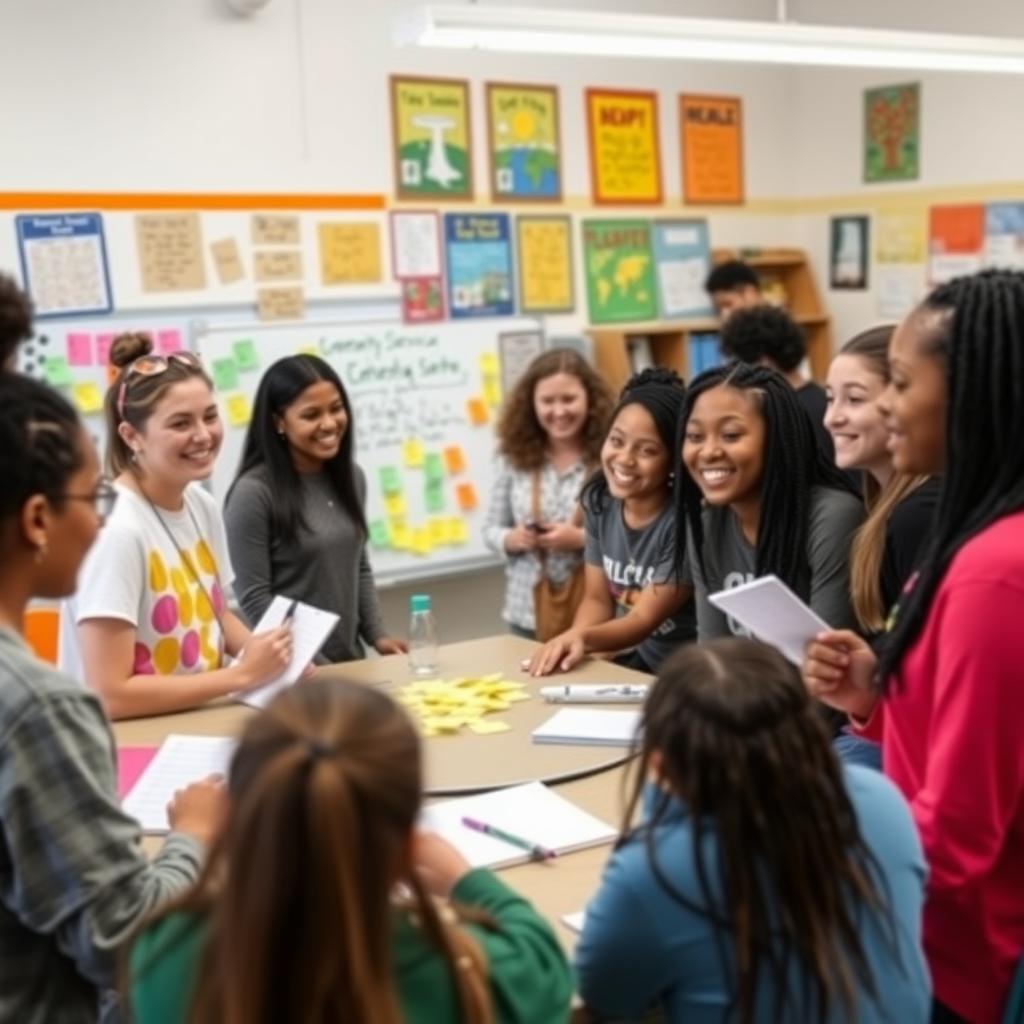
Cathryn Berger Kaye, a former teacher turned international consultant, brings decades of experience to this book. Her passion for service learning and civic engagement shines through every page. She organizes the guide by themes, such as environmental protection, literacy, and social justice, making it easy for educators to find projects that align with their curriculum. Each chapter includes quotes, background information, and step-by-step activities. Kaye’s approach is practical yet inspiring, encouraging teachers to think beyond traditional lessons and empower students to take action.
Real-World Examples of Successful Service Learning Projects
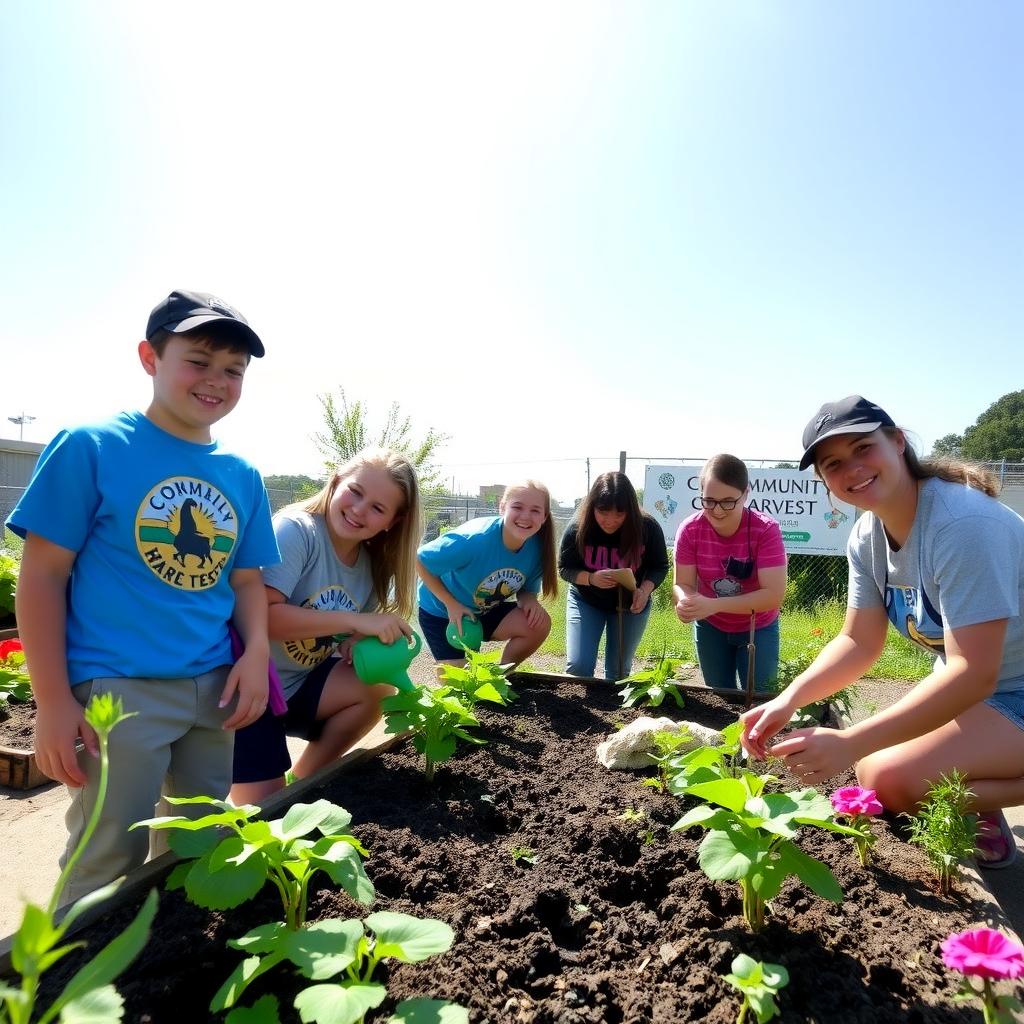
One of the book’s strengths is its collection of real-world examples. For instance, Kaye describes a project where students tackled hunger by organizing a food drive for a local shelter. They didn’t just collect cans—they researched nutrition, analyzed community needs, and presented their findings to local leaders. Another example involves students creating a community garden to address food insecurity. These projects show how service learning turns abstract concepts into tangible outcomes. The Corporation for National and Community Service highlights similar initiatives, noting that service learning projects can reduce dropout rates by engaging students in meaningful work.
How to Get Started with Service Learning
Kaye provides a clear roadmap for launching service learning projects. Here’s a simplified version of her five-stage process:
- Investigation: Students research a community issue, like homelessness or animal welfare.
- Planning: They design a project, setting goals and identifying resources.
- Action: Students carry out the project, such as volunteering at a shelter or planting trees.
- Reflection: They discuss what they learned and how it impacted them.
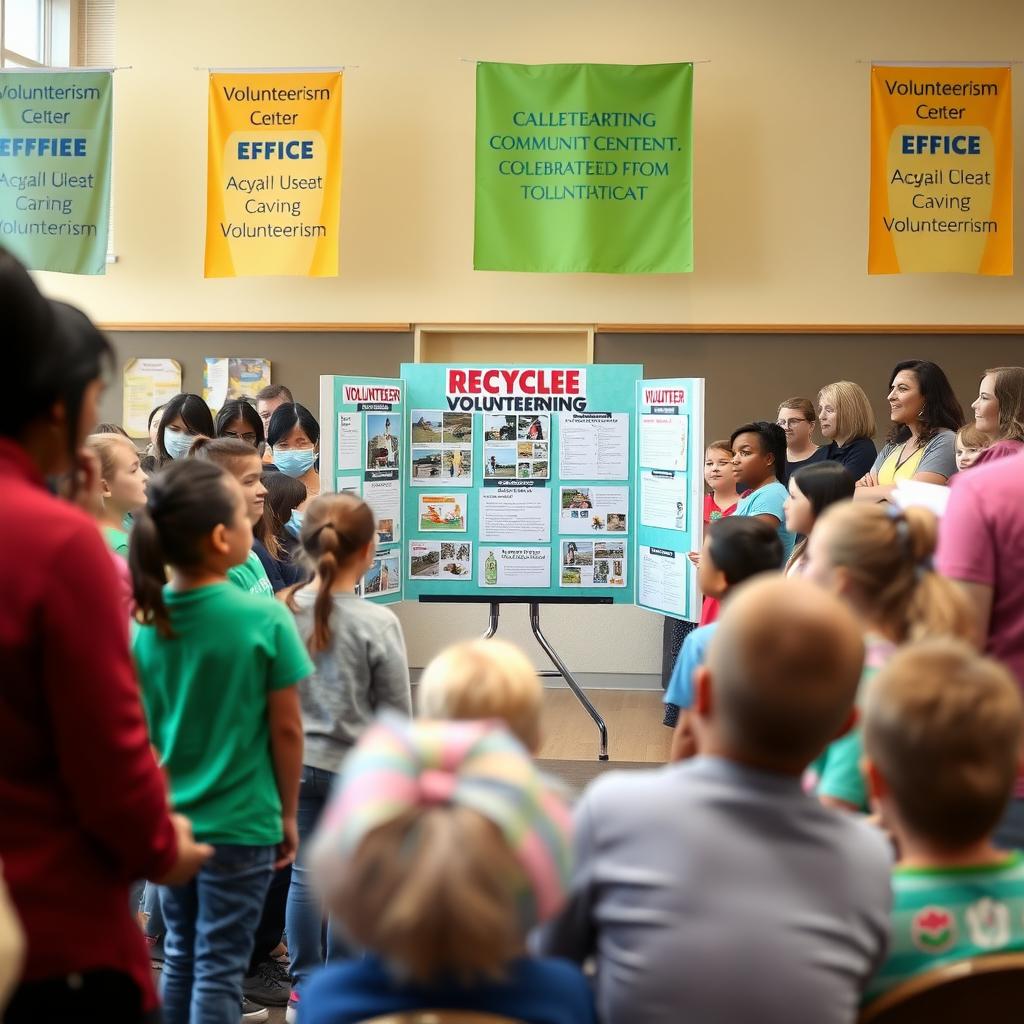
- Demonstration: Students share their results, often through presentations or community events.
This structure ensures projects are meaningful and tied to academic goals. For example, a science class might study water pollution and then clean up a local river, connecting theory to practice.

Benefits of Service Learning for Students and Communities
Service learning does more than teach academic skills. It builds character, fosters empathy, and prepares students to be active citizens. Kaye shares stories of students who gained confidence by leading projects, like organizing a literacy fair for younger kids. Communities benefit too—schools become hubs for positive change. A study from Stanford University’s Center for Education Policy Analysis found that students in service learning programs show improved social skills and civic awareness compared to peers in traditional classrooms. These outcomes make Kaye’s guide a powerful tool for educators.
Challenges and How to Overcome Them
Kaye doesn’t shy away from the challenges of service learning. Time constraints, limited resources, and student disengagement can be hurdles. She suggests starting small—maybe a one-day project like a neighborhood cleanup. She also recommends partnering with local organizations to share the workload. For instance, a school might collaborate with a nonprofit to provide supplies for a project. Kaye’s tips, like using her reproducible handouts, make it easier to plan and assess projects. Her practical advice helps teachers avoid burnout while maximizing impact.
Personal Reflections: Why This Book Resonates
As someone who’s volunteered in schools, I’ve seen the spark service learning ignites. I once helped a group of students organize a book drive for a low-income school. Watching them sort books, write donation letters, and deliver the collection was incredible—they weren’t just helping; they were growing. Kaye’s book captures this magic. It’s not just about projects; it’s about teaching kids they can change the world. Her emphasis on reflection really struck me—students need time to process their experiences to truly learn from them.
Integrating Service Learning into the Curriculum
Kaye’s guide excels at showing how service learning fits into any subject. Math students can calculate budgets for a charity event. English classes can write stories for hospitalized kids. History students can interview elders about local history. The book includes a CD-ROM with over 200 pages of forms and resources, making it easy to align projects with academic standards. This flexibility ensures service learning isn’t an add-on but a core part of education. The University of Minnesota’s Center for Community-Engaged Learning supports this, noting that integrated service learning boosts student engagement across disciplines.
Why This Book Stands Out
What sets 'The Complete Guide to Service Learning' apart is its balance of inspiration and practicality. Kaye doesn’t just tell you why service learning matters—she shows you how to do it. The thematic chapters, real-world examples, and annotated book lists make it a one-stop resource. Whether you’re a new teacher or a seasoned youth worker, the book offers fresh ideas and proven strategies. Its updated second edition, published in 2010, includes new themes like emergency readiness and healthy living, keeping it relevant for today’s challenges.
Summary: A Guide That Inspires Action
Cathryn Berger Kaye’s 'The Complete Guide to Service Learning' is more than a book—it’s a call to action. It equips educators with the tools to foster service learning and civic engagement, helping students grow while strengthening communities. With real-world examples, practical steps, and a passion for change, this guide is a game-changer for anyone who believes in the power of giving back.