The Complete Guide to Service Learning: Proven, Practical Ways to Engage Students in Civic Responsibility, Academic Curriculum, & Social Action
Discover how service learning transforms education by connecting classroom knowledge with real community needs. This comprehensive guide offers practical strategies, benefits, examples, and tips for teachers to implement effective programs that build civic responsibility and boost student engagement.
3 min read
Quick Overview
Service learning combines meaningful community service with academic study and reflection. It helps students develop civic responsibility while mastering curriculum goals and taking social action. This guide shares proven ways to make it work in any classroom.
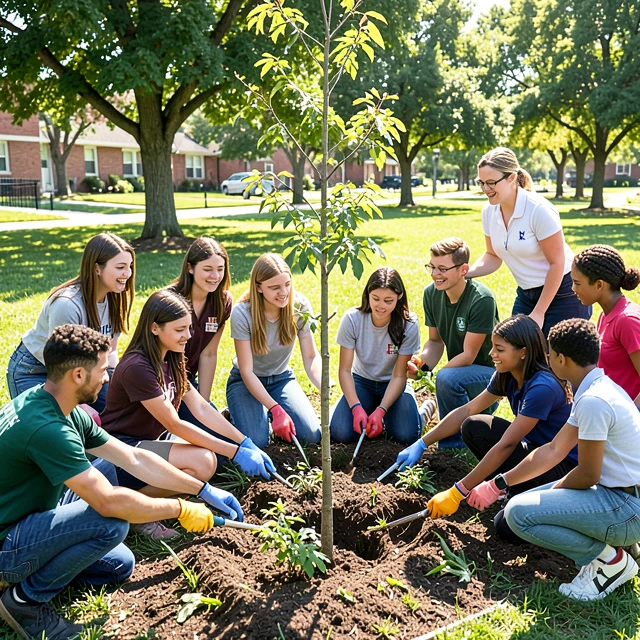
What Is Service Learning?
Service learning is more than just volunteer work. It links classroom lessons to real community needs. Students apply what they learn in subjects like science, social studies, or math to help others.
Unlike simple volunteering, service learning includes structured reflection. Students think about their experiences and connect them to academic concepts. This builds deeper understanding and personal growth.
The goal? Create active citizens who care about their world while improving grades and skills.
Experts define it as experiential learning where students address community issues through service tied to coursework. Reflection turns the experience into lasting knowledge.
Why Service Learning Matters
Research shows clear benefits. Students in service learning programs often show better academic results, stronger civic attitudes, and improved social skills.
One study found participants gain in self-confidence, leadership, and empathy. They also become more likely to volunteer later in life.
Schools see higher engagement too. Students attend class more and participate actively when lessons feel relevant.
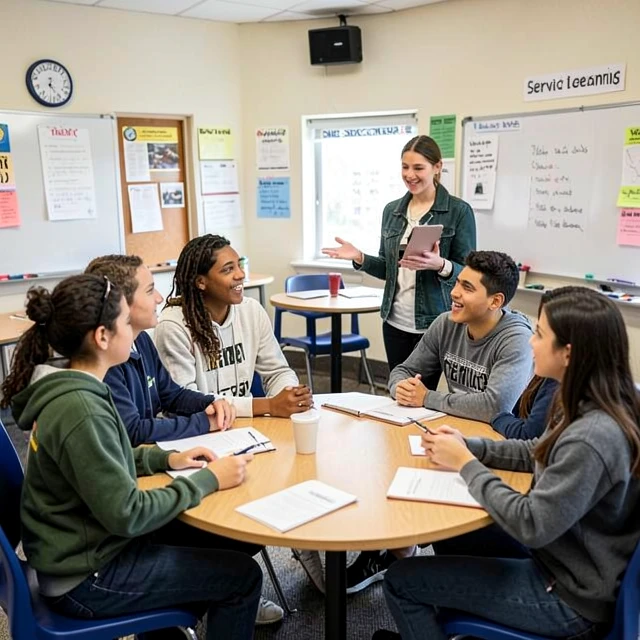
Key Benefits for Students
Here are some proven gains: - Academic Boost: Better test scores in reading, math, and other subjects. - Personal Growth: Increased self-esteem and problem-solving skills. - Civic Responsibility: Greater awareness of social issues and desire to help. - Career Readiness: Real-world skills like teamwork and communication.
Many students report feeling more connected to their community and motivated to learn.
How to Get Started: Practical Steps
Follow these steps to build a strong program: 1. Identify curriculum goals first. 2. Find real community needs. 3. Partner with local organizations. 4. Plan the project with student input. 5. Include preparation, action, and reflection. 6. Assess learning outcomes.
Start small. A single class project can show great results.
Best Practices for Success
Follow these tips from experts: - Make service meaningful and tied to real needs. - Give students a voice in planning. - Build strong community partnerships. - Require reflection before, during, and after. - Ensure mutual benefits for students and the community.
Youth voice matters. Let students lead parts of the project to increase ownership.
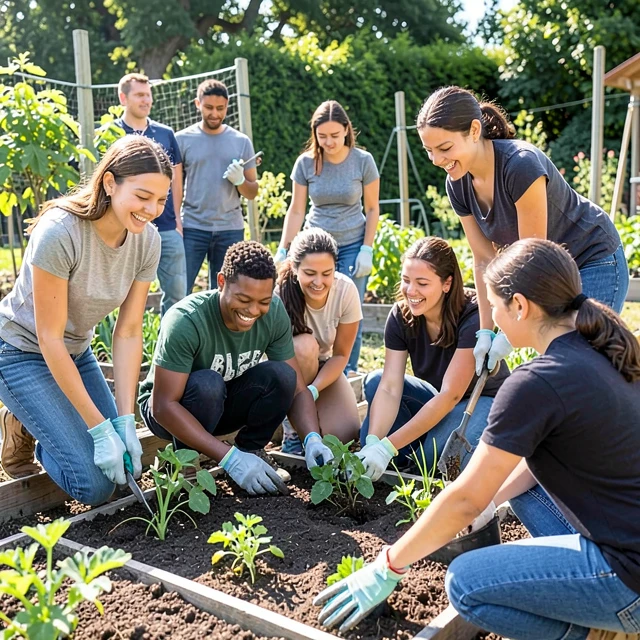
Real-World Examples
- Environmental Project: Science students test local water quality, clean a river, and share findings with officials.
- Literacy Help: High schoolers tutor younger kids in reading while studying child development.
- Food Security: Students organize a food drive and learn about nutrition and poverty.
These tie directly to curriculum and make lasting impact.
Overcoming Common Challenges
Time constraints? Integrate service into existing lessons. Funding worries? Look for service learning grants and funding.
Many sources exist, like state education departments, foundations, and youth programs. Grants support supplies, travel, or project costs. Check local options or national ones like youth advisory boards.
Funding Your Program
Service learning grants and funding make projects possible. Schools often get support from: - State and federal education programs. - Foundations focused on youth and community. - Local nonprofits.
Search for grants that match your project theme, like environment or education. Students can even help apply as part of learning.
Final Thoughts
Service learning builds better students and stronger communities. It turns lessons into action and inspires lifelong civic engagement.
Try it in your classroom. Start simple, reflect often, and watch students thrive. The rewards go far beyond grades.