Comprehensive Guide to Volunteer Work
A comprehensive guide to understanding and engaging in volunteer work, highlighting its importance, types, and how to get involved.
2 min read

Volunteer work changes lives—yours and others’. Millions of people give their time each year to support causes like education, the environment, and social justice. This guide explores what volunteering is, why it matters, and how you can dive in and make a difference.

Volunteer work is any activity that involves spending time, unpaid, doing something that aims to benefit the environment or someone (individuals or groups) other than, or in addition to, close relatives. It's about offering your skills, time, and energy to a cause without expecting financial compensation. Volunteer work can take many forms, from helping at a local food bank to participating in international humanitarian missions.

Volunteering offers a multitude of benefits, both for the individual and the community. On a personal level, volunteering can help you develop new skills, gain valuable experience, and expand your network. It can also boost your mental and physical health, as studies have shown that helping others can reduce stress and increase happiness. For communities, volunteers provide essential services, support local organizations, and foster a sense of unity and cooperation.
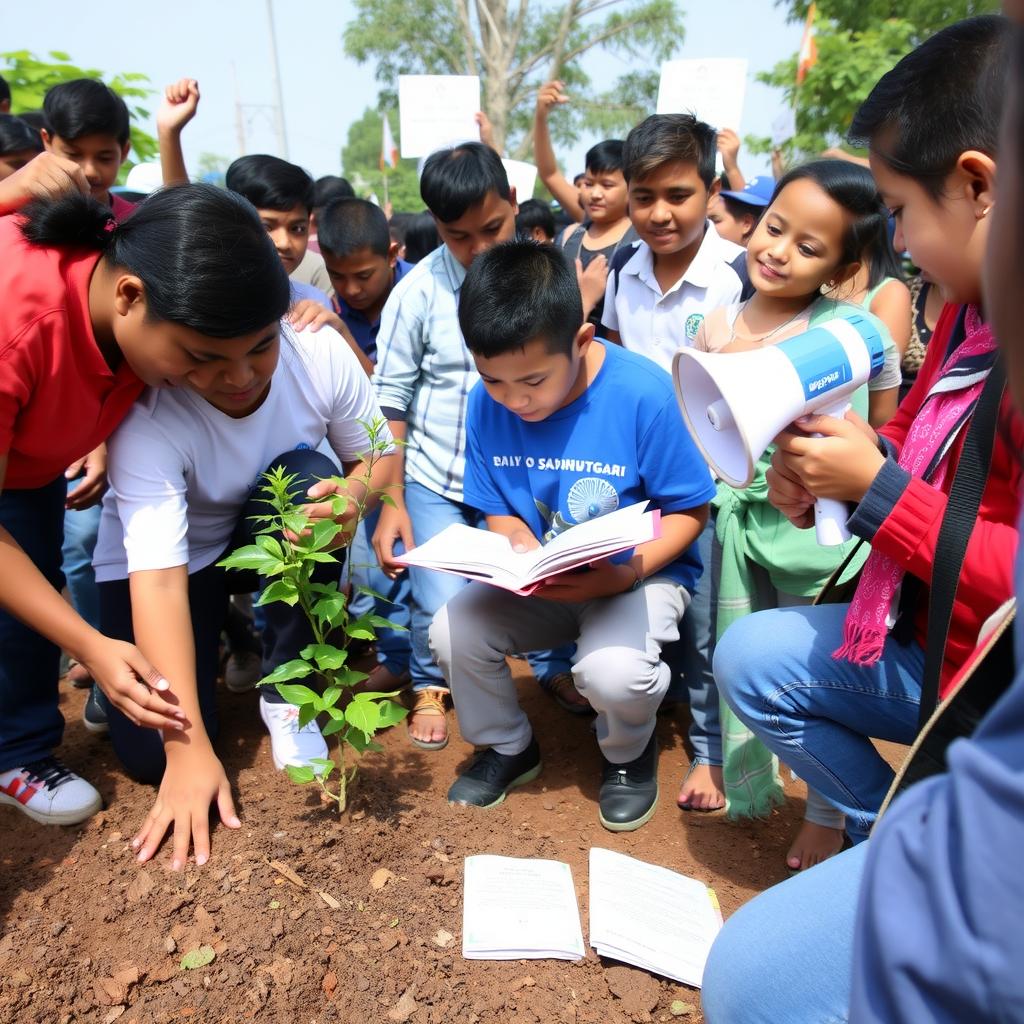
There are countless ways to volunteer, and the opportunities are as diverse as the people who pursue them. There are common categories of volunteer work, such as Community Service, which includes activities like cleaning up parks or serving meals at shelters; Environmental Conservation, where volunteers might plant trees or clean up beaches; Education and Tutoring, providing opportunities to tutor students or teach adult education classes; Health and Wellness, assisting in hospitals or promoting healthy living; and Advocacy and Activism, which involves working to promote social, political, or environmental change.

Advocacy is a powerful form of volunteer work that involves speaking up for a cause or group of people. Volunteers in advocacy roles might work to raise awareness about an issue, lobby for policy changes, or organize campaigns to mobilize public support. Advocacy programs for volunteers provide training and resources to help individuals become effective advocates. For example, organizations like Amnesty International and Greenpeace rely heavily on volunteer advocates to further their missions.

Finding the right volunteer opportunity can seem daunting, but there are many resources available to help you get started. Here are some tips: research local organizations that align with your interests, use online platforms like VolunteerMatch to find openings, network with friends and family who may have insights, and attend volunteer fairs or community events.
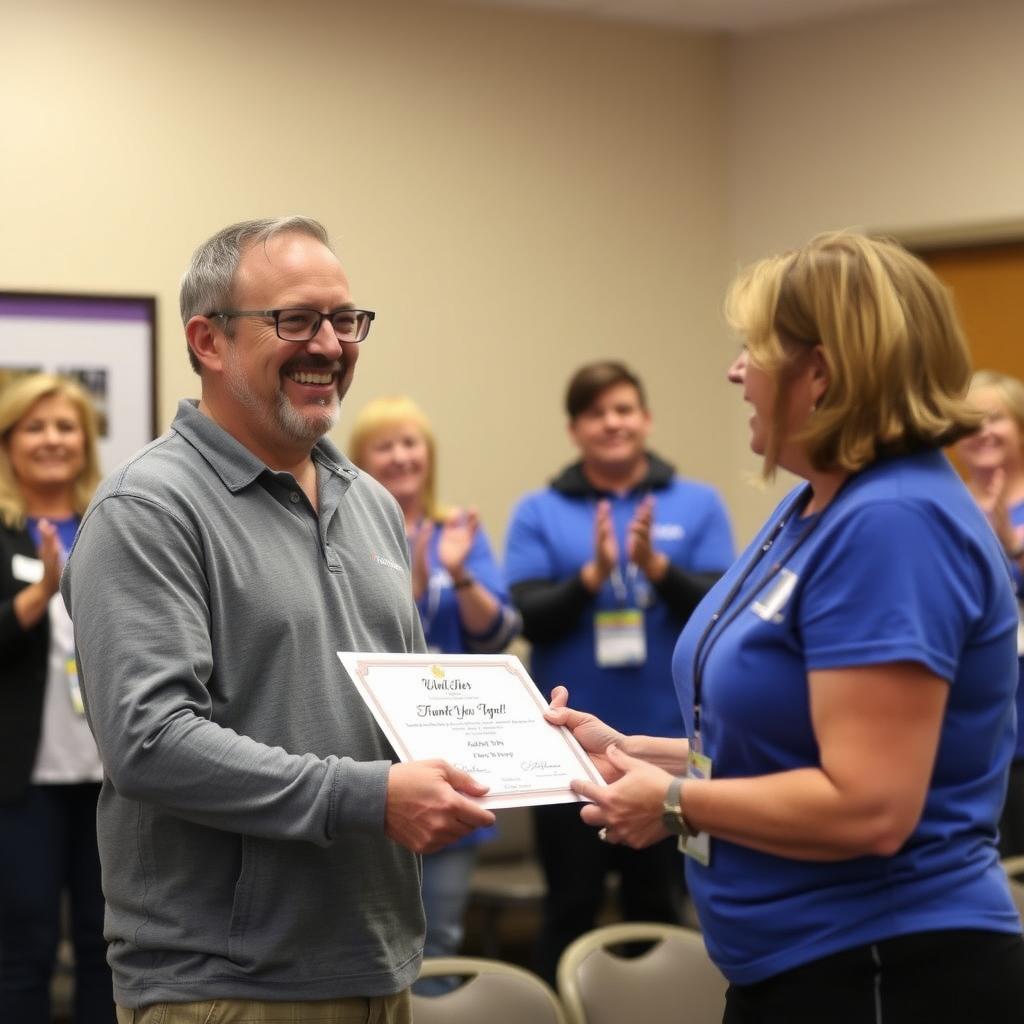
Once you've found a volunteer opportunity, it’s important to approach it with the right mindset and strategies to maximize your impact. Here are some tips: set clear goals for your volunteering, communicate effectively with the organization, be reliable and dedicated, reflect on your experiences to understand their value, and seek opportunities for growth to enhance your skills.

Volunteer work is a rewarding and impactful way to contribute to your community and the world at large. Whether you’re interested in community service, environmental conservation, education, health, or advocacy, there’s a volunteer opportunity out there for you. By understanding the benefits of volunteering, exploring different types of opportunities, and approaching your volunteer work with intention and dedication, you can make a meaningful difference while growing personally and professionally.